Huon Valley
Wedding Suppliers in Huon Valley
Everything you need to plan your Huon Valley wedding — browse by category, see the suppliers servicing your area, and read our local guide below.
Browse by category in Huon Valley
Suppliers servicing Huon Valley

Baker Boys Band
HIGH ENERGY LIVE MUSIC TO PACK YOUR DANCE FLOOR!

Ceremonies by Rosie
KEWARRA BEACH, QLD
Warm. Vibrant. Inclusive. Celebrating love in two languages — English and Spanish. Always Rosie.”
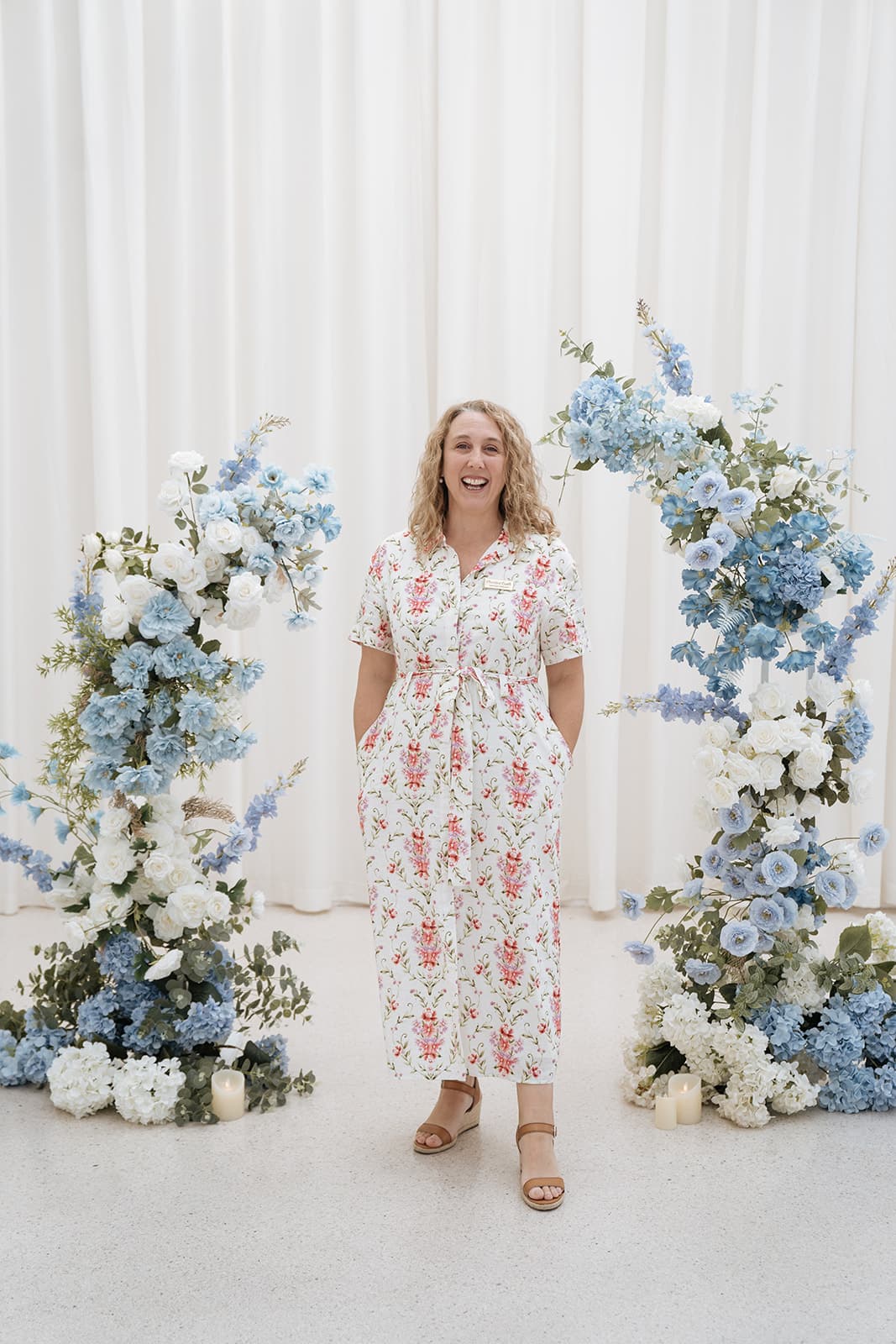
Christine Castle Marriage Celebrant
Dingley Village, Victoria
If you want a ceremony that feels warm, natural, and full of heart, I’d love to be part of your day 💫

DJ Michael (Specialising in Arabic, Egyptian, Greek & Italian)
Melbourne, Victoria
As an experienced and fully-trained professional, DJ Michael is dedicated to getting the crowd moving and ensuring your guests have an unforgettable time.
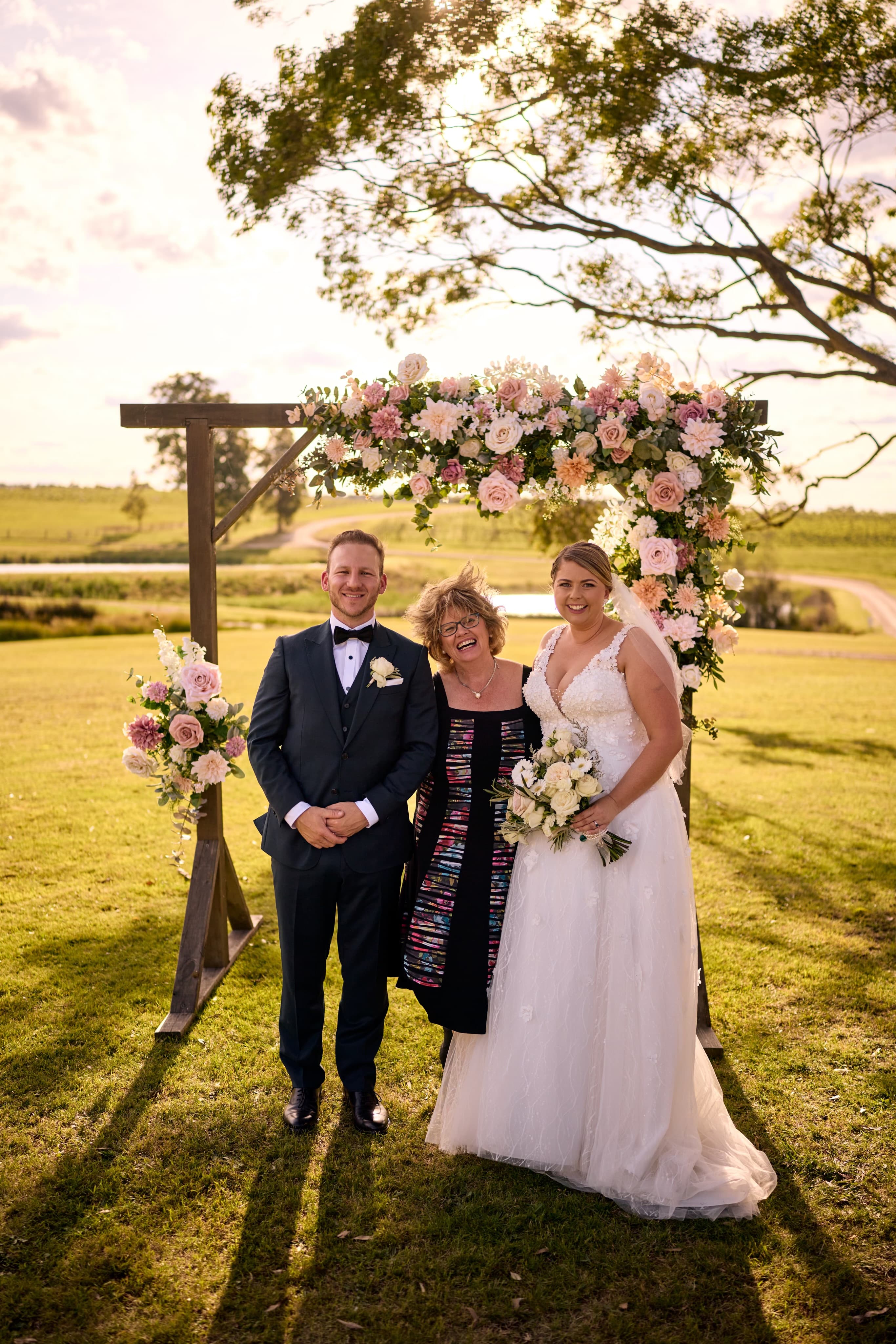
Fiona Hall
Dora Creek, NSW
Creative heartwarming and fun celebrant
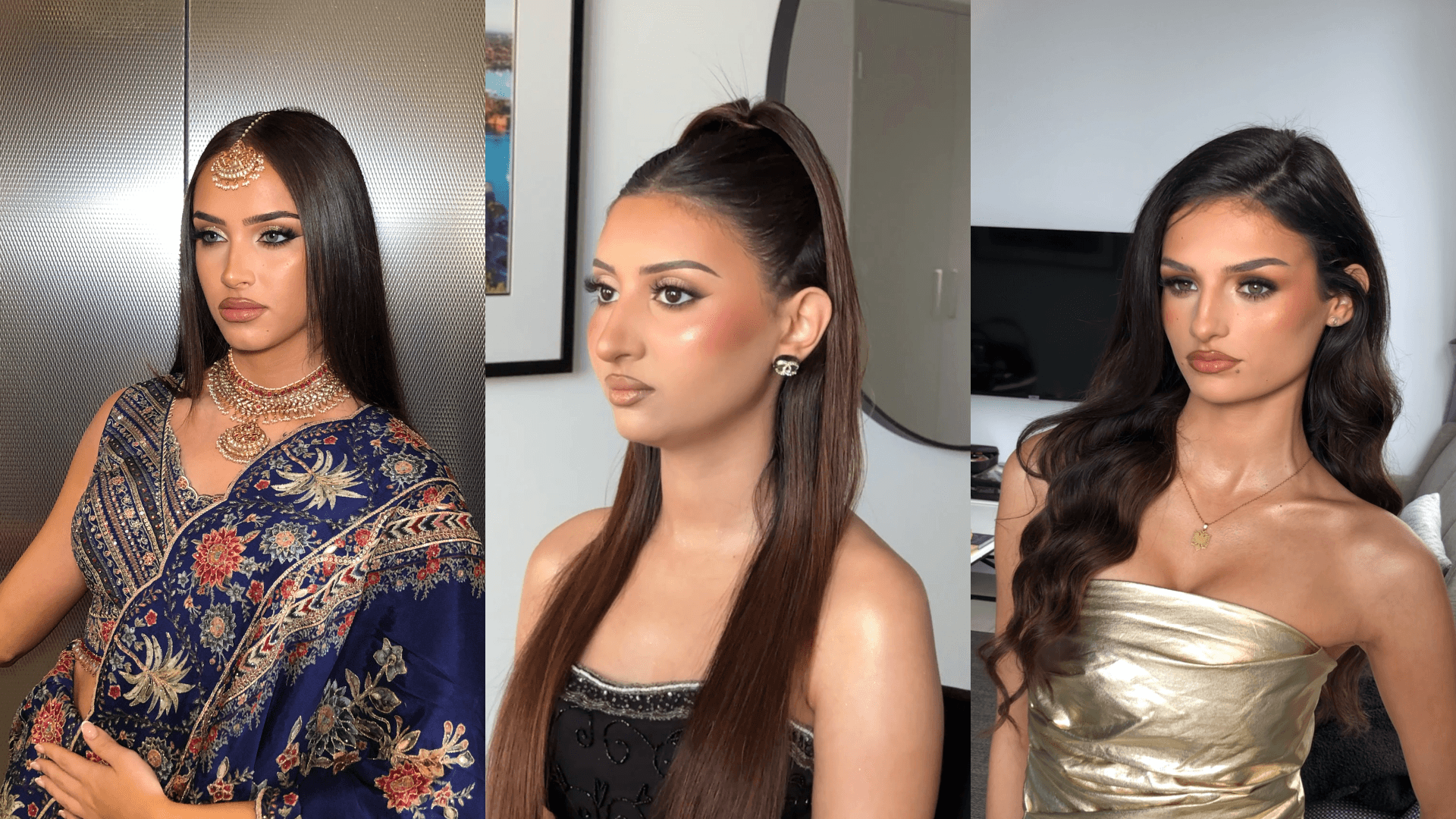
Glow By Aasmi Makeup Artist
Hamlyn Terrace, New South Wales
Bridal and Party Makeup Artist- Central coast & Huner Valley, NSW
Missy's Magic Styles
Macgregor, ACT
Bridal Hair Stylist Specialist
Opal Rose Events
SA
Relaxed, organised wedding planning & coordination across Adelaide and South Australia
Vows Afar
LAKE COOGEE, WA
Your shared Wedding Journey
Why get married in Huon Valley?
Tucked into Tasmania's far south, the Huon Valley is one of the state's most quietly romantic corners, where apple orchards, river flats and cool-climate vineyards roll down towards the Huon River. Getting married in Huon Valley means swapping crowds for character: misty mornings, woodsmoke and the kind of unhurried country welcome that makes guests linger. Huon Valley weddings suit couples who want a genuine sense of place, with rural charm, world-class produce and wilderness all within easy reach of Hobart.
- Under an hour south of Hobart Airport
- Riverside, orchard and vineyard ceremony settings
- World-class local wine, cider, oysters and produce
- Authentic rural Tasmanian charm and four true seasons
- Gateway to forests, mountains and the D'Entrecasteaux Channel
Why get married in Huon Valley
Couples choose the Huon Valley because it offers something increasingly rare: an authentic rural Tasmanian setting that still feels intimate and personal. Roughly 40 to 45 minutes south of Hobart, the valley follows the Huon River through a patchwork of orchards, paddocks and forested hills, with the small towns of Huonville, Franklin, Cygnet, Geeveston and Dover scattered along the way. It is close enough for guests to fly into Hobart and drive down the same day, yet far enough to feel like a true escape.
The valley's enduring appeal is its landscape. This is Tasmania's apple country, and in spring the orchards burst into blossom while autumn turns the same trees gold and russet. The Huon River widens as it heads towards the D'Entrecasteaux Channel, giving many ceremony sites uninterrupted water views framed by rolling green hills. The light here is soft and changeable, which photographers adore, and the air carries the scent of woodsmoke, cut grass and the sea.
There is also the produce. The Huon and neighbouring Channel district are known for cool-climate wine, cider, fresh oysters, salmon, berries and artisan cheese, which means couples can build a genuinely local menu without importing a thing. For many, marrying in the Huon Valley is as much about celebrating Tasmania's food and farming culture as it is about the scenery. Add the warm, down-to-earth nature of valley locals and you have a region that feels welcoming rather than polished, relaxed rather than rushed.
The pace matters too. Weekends here naturally stretch into something longer, with guests exploring the area before and after the wedding. That sense of a shared mini-break, rather than a single hurried day, is one of the strongest reasons couples fall for the Huon.
Landmarks & points of interest
The Huon River is the valley's defining feature, threading past Huonville and Franklin before broadening towards the Channel. Franklin is the heart of Tasmania's wooden boatbuilding heritage and home to the Wooden Boat Centre, its waterfront making a picturesque backdrop for photographs. Huonville, the largest town, sits on the river and serves as the practical hub for shops, services and accommodation.
Cygnet is the valley's creative and food-loving village, with a lively arts community, cafes and a long-running folk festival; its rural surrounds and hilltop views are popular with couples seeking a relaxed, characterful base. Geeveston, gateway to the Tahune AirWalk and the forests beyond, offers a taste of the towering wet eucalypt and rainforest country that defines southern Tasmania. Further south, Dover and the coast lead towards the wild, beautiful Far South and the start of routes to Hartz Mountains National Park, where alpine moorland and glacial tarns sit within an easy day trip.
The surrounding hills are dotted with cool-climate vineyards, cideries and orchards, many with cellar doors and views back across the valley. The Huon Valley is also a stepping-off point for the D'Entrecasteaux Channel and Bruny Island, reached by a short ferry from Kettering just to the north, adding oysters, beaches and lighthouse scenery to the wider area.
Throughout the valley you will find heritage churches, weatherboard halls, riverside reserves and working farms, giving couples a real range of backdrops. Whether the dream is a ceremony on a riverbank, among apple trees, on a vineyard terrace or with forested mountains rising behind, the Huon delivers genuine, unspoilt Tasmanian scenery rather than a manufactured one.
Planning your Huon Valley wedding
Huon Valley wedding venues tend towards the rural and the relaxed: converted barns and farm sheds, orchard properties, vineyard and cidery cellar doors, riverside reserves, historic halls and homesteads, and marquee-friendly paddocks with sweeping views. Many properties double as ceremony and reception sites, and a good number can host guests on site or nearby, which simplifies logistics in a region where everything is a little more spread out than in the city.
Season is worth thinking about carefully. Tasmania has a true four-season climate, and the Huon runs cooler than mainland Australia. Summer, from December to February, brings the longest days and the most reliable weather, while autumn delivers spectacular orchard colour and crisp, clear light. Spring offers blossom but more changeable conditions. Winters are cold, frosty and atmospheric, and increasingly chosen by couples wanting log fires, mulled cider and a cosy indoor celebration. Whatever the season, a wet-weather backup is essential, as showers can roll through quickly.
Getting guests there is straightforward. Most fly into Hobart Airport, then drive 45 minutes to an hour into the valley. Because public transport is limited, couples often arrange car pooling, shuttle buses or a coach for the wedding itself, especially if there is to be drinking and rural roads to navigate after dark. Accommodation ranges from cottages, cabins, B&Bs and farm stays to holiday homes in Huonville, Cygnet, Franklin and along the coast; booking early is wise, as room numbers in any single town are modest and can fill quickly around festivals and peak summer dates.
Local suppliers are a real strength. The valley and surrounding Channel district support celebrants, photographers, florists, caterers, hire companies and musicians who know the venues and the conditions well, and who can lean into the region's exceptional produce, wine and cider. Sourcing locally not only supports the community but also tends to make the day feel rooted in place.
A few practical notes round things out. Mobile coverage can be patchy in the more remote pockets, so confirm details with suppliers in advance and share clear directions with guests. Because the Huon rewards lingering, many couples plan a welcome gathering or a recovery brunch so guests can explore the orchards, cellar doors and river towns. Plan thoughtfully and a Huon Valley wedding becomes an unhurried celebration of southern Tasmania at its most genuine and beautiful.
Huon Valley wedding FAQs
- How far is the Huon Valley from Hobart?
- The Huon Valley begins around 40 to 45 minutes' drive south of Hobart, with Huonville as the main hub. Most guests fly into Hobart Airport and drive down, while towns further south such as Cygnet, Geeveston and Dover are roughly an hour or a little more from the city.
- What is the best time of year to get married in the Huon Valley?
- Summer (December to February) offers the warmest, longest and most settled days, while autumn brings stunning orchard colour and crisp light. Spring delivers apple blossom but more variable weather, and winter suits couples wanting a cosy, fireside celebration. As Tasmania's climate is cool and changeable, a wet-weather plan is always recommended.
- What kinds of wedding venues does the Huon Valley offer?
- Expect relaxed rural settings: orchard and farm properties, converted barns and sheds, vineyard and cidery cellar doors, riverside reserves, historic halls and homesteads, and marquee-friendly paddocks with valley or water views. Many venues handle both ceremony and reception, and several offer or sit near guest accommodation.