Hobart
Wedding Suppliers in Hobart
Everything you need to plan your Hobart wedding — browse by category, see the suppliers servicing your area, and read our local guide below.
Browse by category in Hobart
Suppliers servicing Hobart
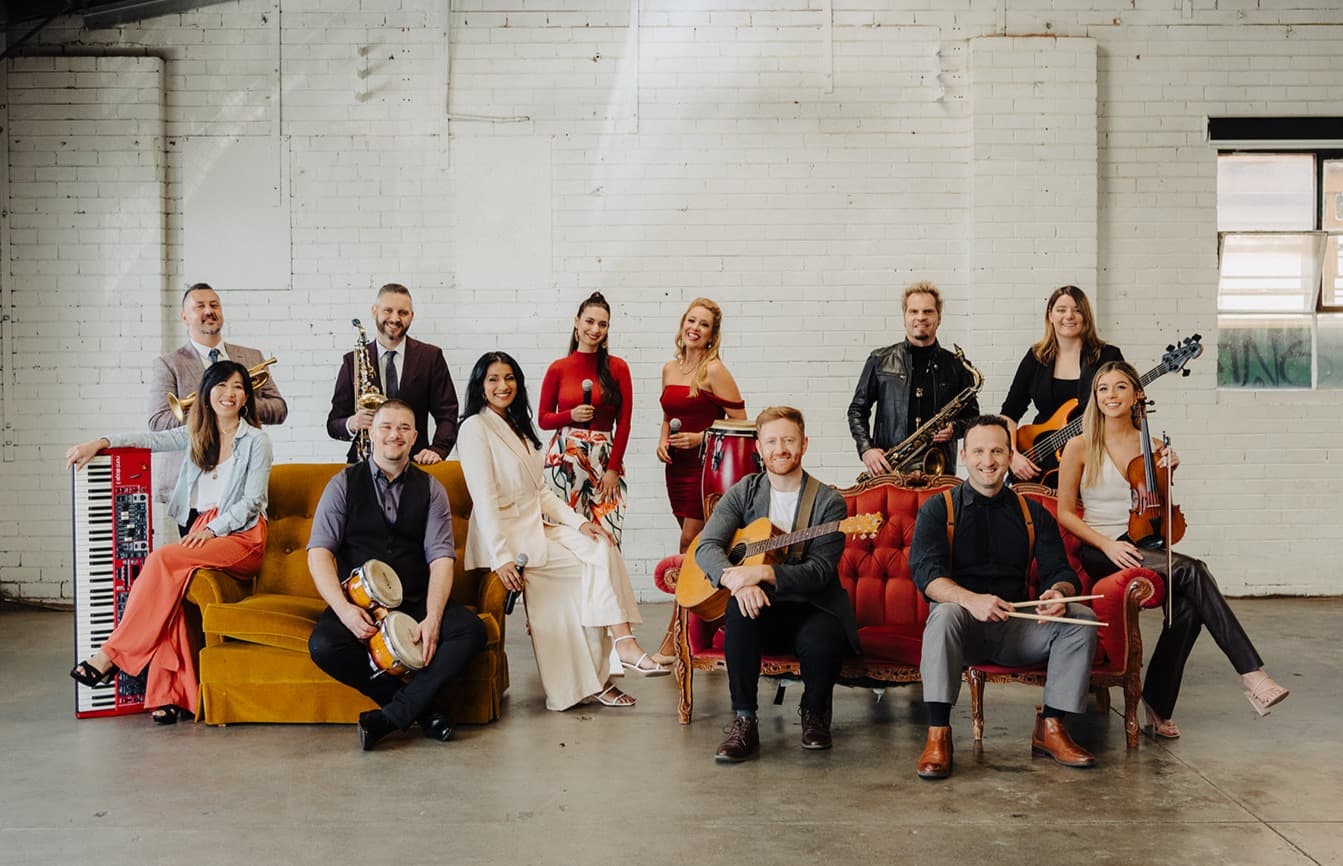
Baker Boys Band
HIGH ENERGY LIVE MUSIC TO PACK YOUR DANCE FLOOR!
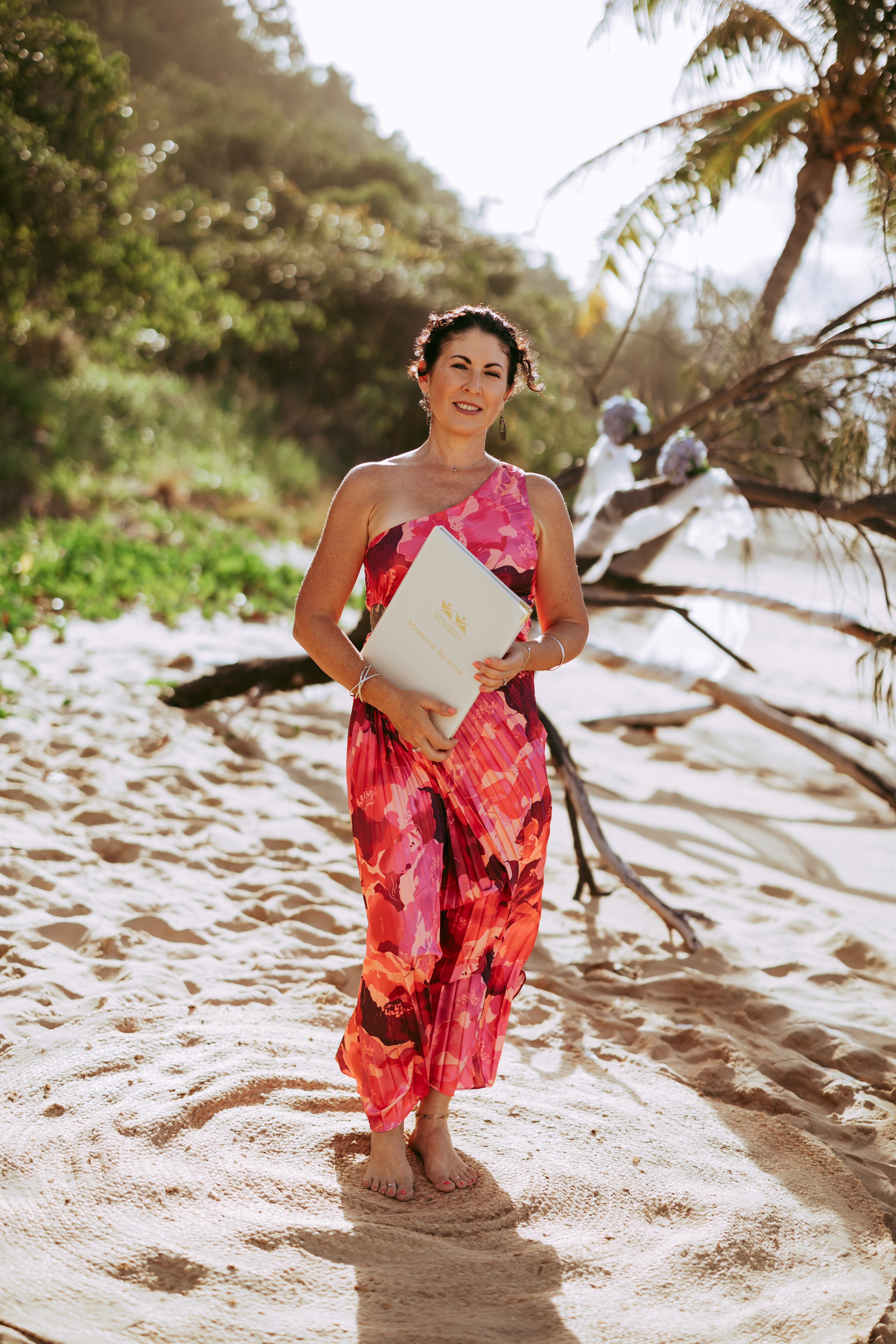
Ceremonies by Rosie
KEWARRA BEACH, QLD
Warm. Vibrant. Inclusive. Celebrating love in two languages — English and Spanish. Always Rosie.”
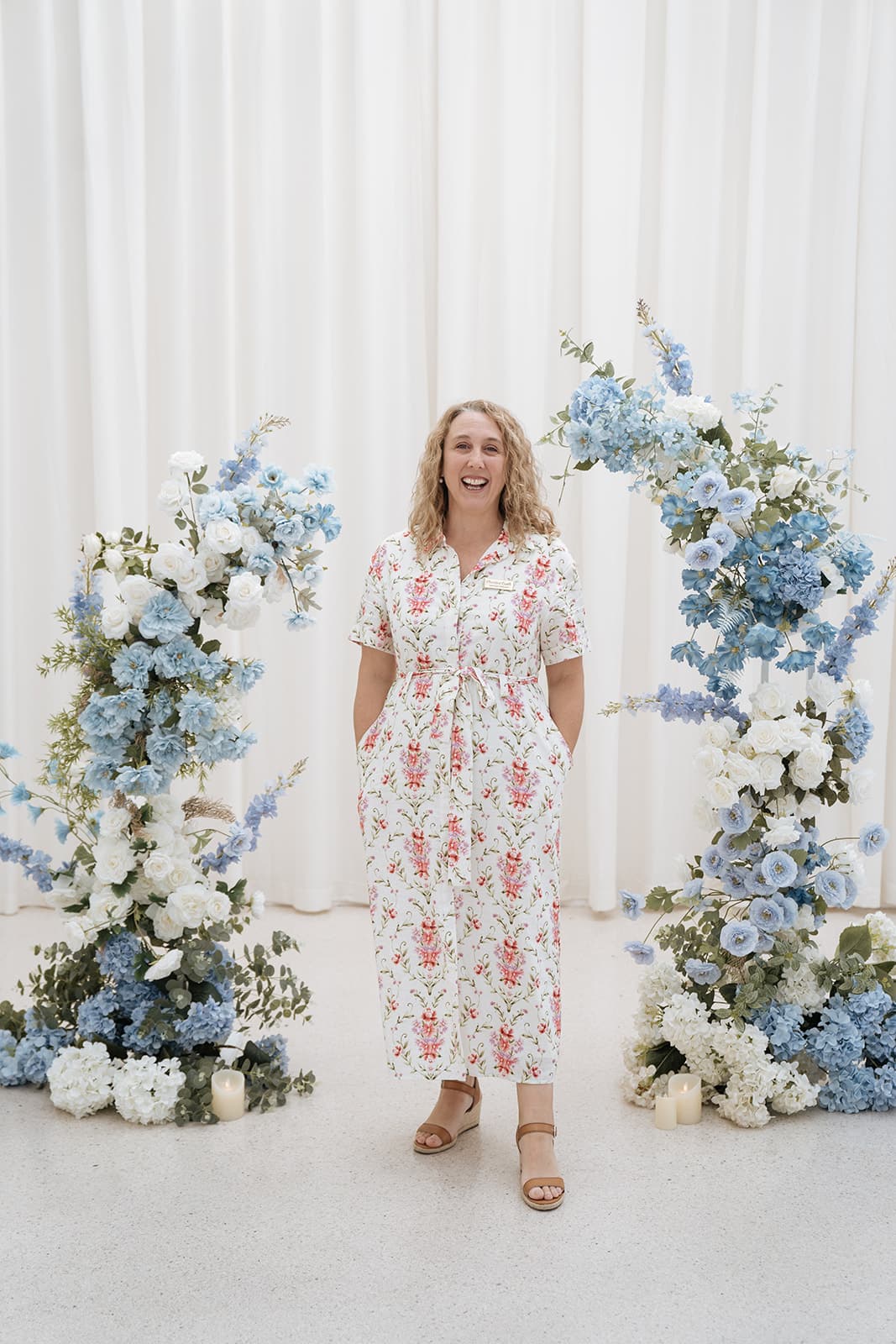
Christine Castle Marriage Celebrant
Dingley Village, Victoria
If you want a ceremony that feels warm, natural, and full of heart, I’d love to be part of your day 💫

DJ Michael (Specialising in Arabic, Egyptian, Greek & Italian)
Melbourne, Victoria
As an experienced and fully-trained professional, DJ Michael is dedicated to getting the crowd moving and ensuring your guests have an unforgettable time.
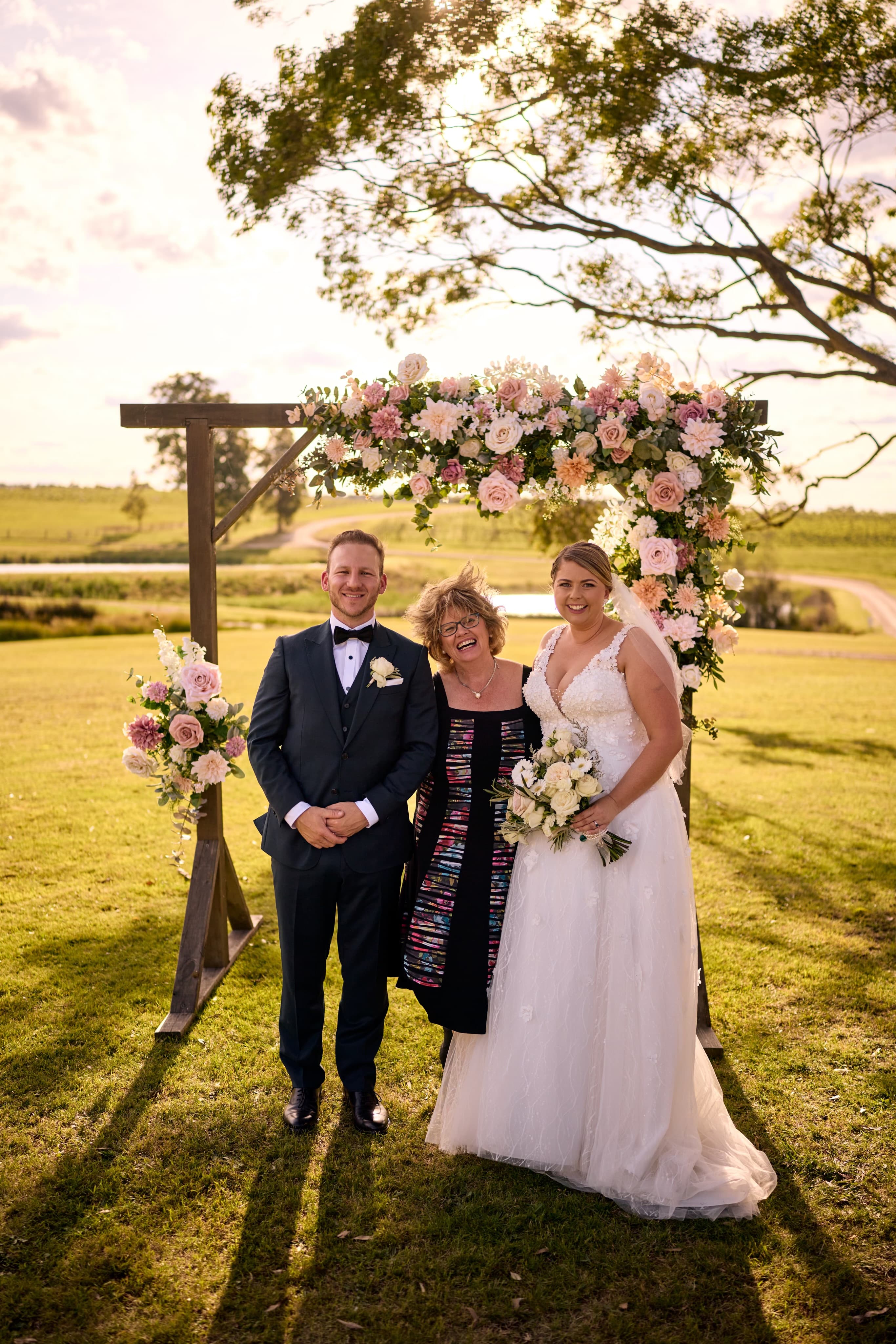
Fiona Hall
Dora Creek, NSW
Creative heartwarming and fun celebrant

Glow By Aasmi Makeup Artist
Hamlyn Terrace, New South Wales
Bridal and Party Makeup Artist- Central coast & Huner Valley, NSW
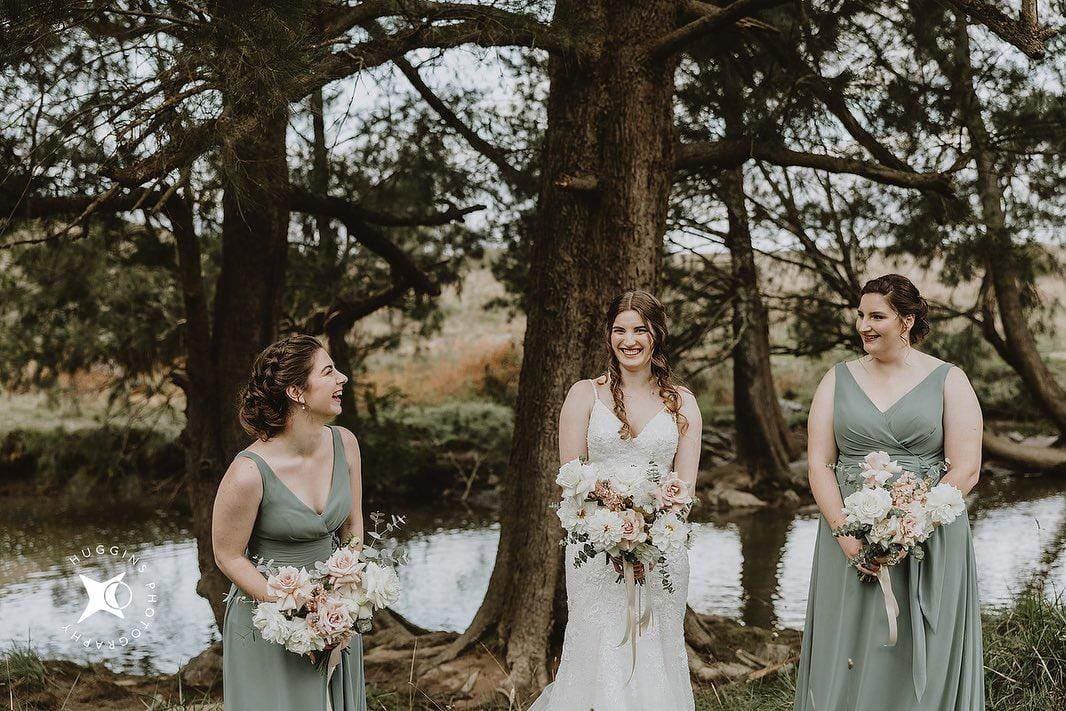
Missy's Magic Styles
Macgregor, ACT
Bridal Hair Stylist Specialist
Opal Rose Events
SA
Relaxed, organised wedding planning & coordination across Adelaide and South Australia
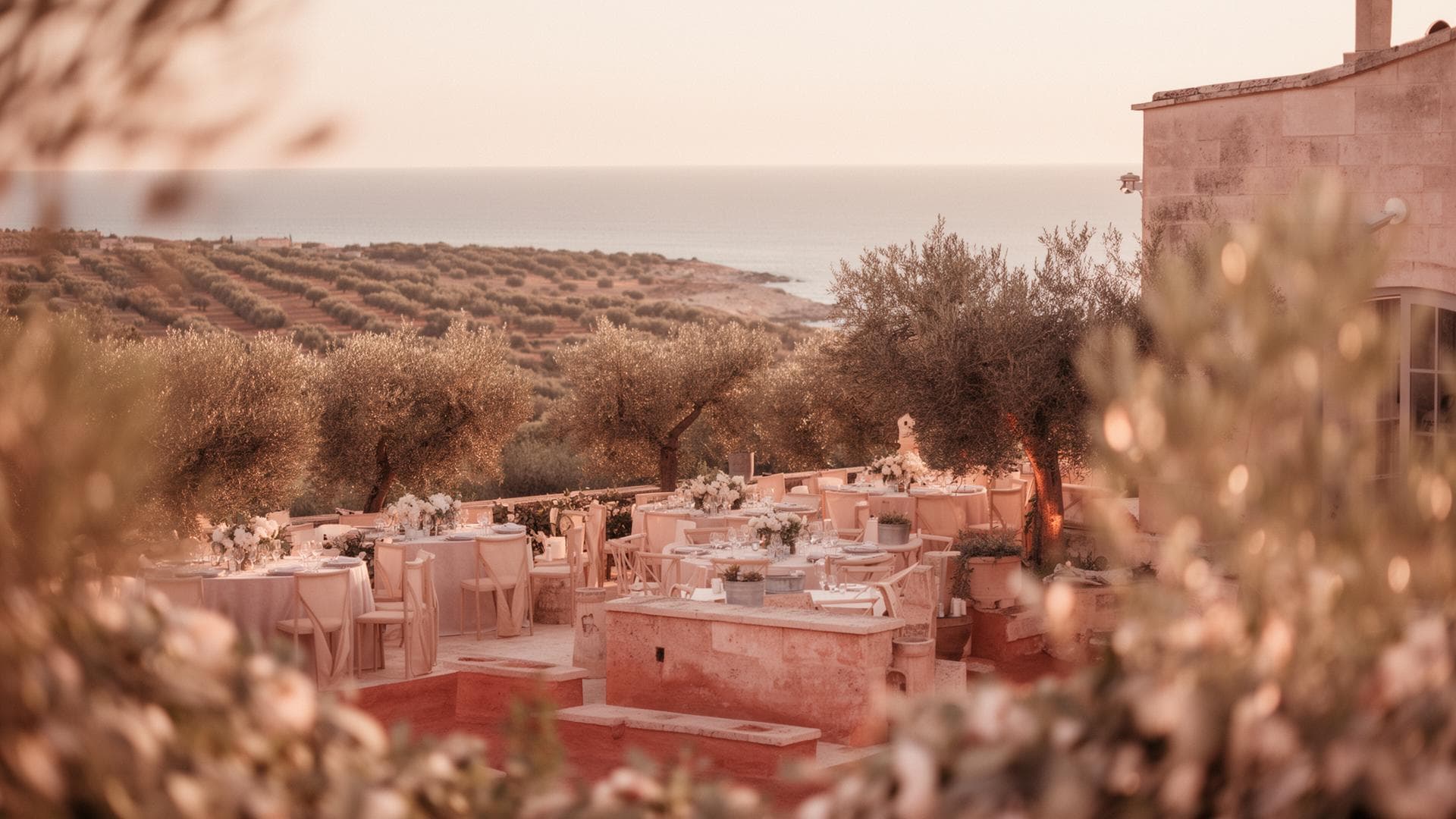
Vows Afar
LAKE COOGEE, WA
Your shared Wedding Journey
Why get married in Hobart?
Set against the brooding flanks of kunanyi/Mount Wellington and the wide, glittering mouth of the River Derwent, getting married in Hobart means trading the predictable for the genuinely memorable. Tasmania's capital is a city of sandstone wharves, mountain air and dramatic light, where heritage warehouses sit beside world-class wine country and untamed coastline. Hobart weddings suit couples who want scenery with real character, exceptional food and wine, and an unhurried sense of place that larger mainland cities simply cannot offer their guests.
- Dramatic kunanyi/Mount Wellington and River Derwent backdrops
- Heritage sandstone venues at Salamanca and Battery Point
- Cool-climate wine country minutes from the city
- World-class Tasmanian food, seafood and sparkling wine
- Compact, walkable city ideal for a destination weekend
Why get married in Hobart
Couples choose Hobart because it delivers a rare combination: a compact, walkable city wrapped in extraordinary natural beauty. From almost anywhere in town you can see kunanyi/Mount Wellington rising more than 1,270 metres behind the skyline, while the River Derwent and the deep waters of the Derwent estuary give the whole city a maritime edge. It is one of the few Australian capitals where mountain, river, harbour and historic streetscape sit within minutes of one another.
The appeal is partly about atmosphere. Hobart is Australia's second-oldest capital, and its Georgian sandstone architecture, especially around Salamanca Place and Battery Point, lends weddings an instant sense of heritage and warmth. The convict-era warehouses at Salamanca now house galleries, restaurants and event spaces, so a Hobart wedding can feel both historic and effortlessly contemporary.
Food and wine are a genuine drawcard. Tasmania has earned a national reputation for cool-climate produce, fresh seafood, whisky, gin and sparkling wine, and Hobart sits at the heart of it. The nearby Coal River Valley around Richmond and the Derwent Valley are dotted with cellar doors, giving couples easy access to vineyard ceremonies and produce-driven menus that genuinely impress guests.
Finally, Hobart offers scale. It is intimate enough that an out-of-town wedding feels like a shared holiday, with guests exploring the same handful of remarkable places, yet it has the cultural confidence of a true capital, anchored by the internationally renowned Museum of Old and New Art (MONA) just upriver at Berriedale.
Landmarks & points of interest
kunanyi/Mount Wellington is Hobart's defining landmark and a favourite backdrop for couples. The summit, reached by a sealed road, offers sweeping views across the city, the Derwent and out towards Bruny Island, while the lower slopes hold cool temperate forest and the boulder fields known as the Organ Pipes. The mountain is a striking presence in nearly every wedding photograph taken in the city.
The waterfront is equally iconic. Constitution Dock, Victoria Dock and the historic wharves around Sullivans Cove are the working heart of Hobart, busiest each December when the Sydney to Hobart yacht race finishes here. Adjoining Salamanca Place, with its row of 1830s sandstone warehouses and the bustling Saturday Salamanca Market, is one of the most photogenic precincts in the country.
Battery Point, the village-like neighbourhood just above Salamanca, is full of narrow lanes, colonial cottages and the charming green of Arthur Circus. Nearby, the Royal Tasmanian Botanical Gardens offer manicured lawns, heritage plantings and river views that make them a long-standing favourite for garden ceremonies.
Beyond the city centre, MONA at Berriedale draws visitors from around the world and can be reached by a dedicated ferry up the Derwent, while the colonial town of Richmond, with its 1823 bridge (the oldest in Australia) and surrounding Coal River Valley vineyards, sits just 25 minutes away. The white sands of beaches along the eastern shore and the dramatic coastline of the Tasman Peninsula, home to Port Arthur, are all within comfortable reach for couples wanting a regional escape.
Planning your Hobart wedding
Hobart wedding venues span a wide spectrum, from sandstone warehouses and waterfront function rooms around Sullivans Cove to vineyard cellar doors in the Coal River and Derwent valleys, garden settings, and rural properties with mountain or river outlooks. Couples after something distinctly Tasmanian often look to vineyard estates, while those wanting heritage character gravitate towards the Salamanca and Battery Point precincts. Because the city is compact, it is easy to hold a ceremony, photographs and reception across several memorable locations in a single day.
Season matters more here than in most Australian cities. Hobart has a cool temperate climate, with warm, long summer evenings from December to February and crisp, often spectacular autumn light through March and April, both popular for weddings. Winter is cold and can be wet, with snow occasionally dusting kunanyi/Mount Wellington, but it has become a genuine drawcard thanks to the Dark Mofo festival in June and a growing appetite for atmospheric cool-season celebrations. Spring brings blossom and fresh greenery but more changeable weather, so a reliable wet-weather plan is essential year-round.
Getting guests there takes a little planning, since most will fly into Hobart Airport, around 20 minutes east of the city, with direct services from Melbourne, Sydney, Brisbane and other mainland capitals. Others arrive by sea via the Spirit of Tasmania ferry to Devonport and drive south. Because many guests will be travelling, couples often build a weekend around the wedding, and it is worth flagging that flights and accommodation fill quickly during peak summer and around major events such as the Sydney to Hobart finish and Taste of Tasmania over the New Year period.
Accommodation ranges from boutique hotels and heritage cottages in the city centre and Battery Point to waterfront apartments and country retreats in the surrounding valleys. Keeping a block of rooms near your venue helps guests who are unfamiliar with the city. When it comes to suppliers, Tasmania's wedding industry is smaller and more close-knit than the mainland's, so booking photographers, florists, celebrants and caterers well ahead, ideally twelve months or more for peak dates, is wise. The reward is a celebration shaped by local produce, dramatic scenery and a relaxed island pace that gives both you and your guests a genuine sense of escape.
Hobart wedding FAQs
- What is the best time of year to get married in Hobart?
- Late spring through to autumn is the most popular window for Hobart weddings. December to February brings warm, long summer evenings, while March and April offer crisp air and beautiful autumn light. Winter is cold and can be wet, but it has become increasingly popular for atmospheric cool-season celebrations, particularly around the Dark Mofo festival in June. Whatever the season, a solid wet-weather backup plan is essential.
- How do wedding guests get to Hobart?
- Most guests fly into Hobart Airport, about 20 minutes east of the city, which has direct flights from Melbourne, Sydney, Brisbane and other mainland capitals. Some travellers prefer the Spirit of Tasmania ferry to Devonport, then drive roughly three and a half hours south to Hobart. Because many guests will be travelling interstate, it is worth giving them plenty of notice, especially for peak summer dates when flights and accommodation book out early.
- What kinds of wedding venues does Hobart offer?
- Hobart wedding venues range from historic sandstone warehouses and waterfront function spaces around Sullivans Cove and Salamanca to vineyard cellar doors in the nearby Coal River and Derwent valleys, garden settings such as the Royal Tasmanian Botanical Gardens, and rural properties with mountain or river views. The city's compact layout makes it easy to combine a ceremony, photographs and reception across several distinct locations in one day.