Wedding Directory
Marriage Celebrants in Australia
Discover Australia's finest marriage celebrants. Browse profiles and enquire directly with the professionals who'll bring your wedding day to life.
Browse Marriage Celebrants by location
New South Wales
Victoria
Queensland
South Australia
Western Australia
Australian Capital Territory
Northern Territory
A Life Celebrant - Lou Szymkow
NSW
Always & Forever Celebrant - Wayne B Eadon
WA
Always Bespoke Ceremonies - Sue George
VIC
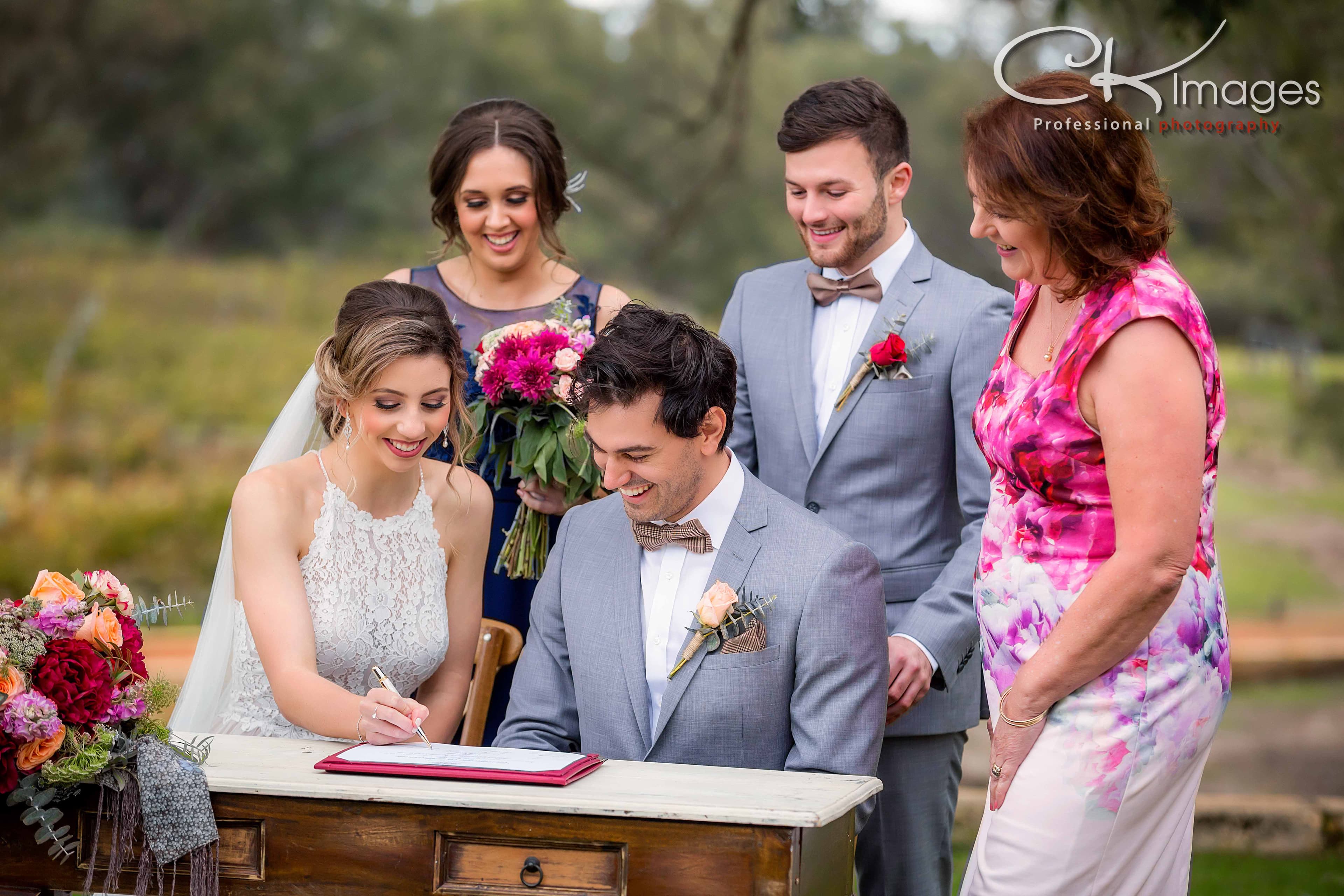
Anne Miller
WA
Making
Annie the Celebrant
WA
Australian Federation of Civil Celebrants
Best Man Civil Marriage Celebrant - Darrin Noon
NSW
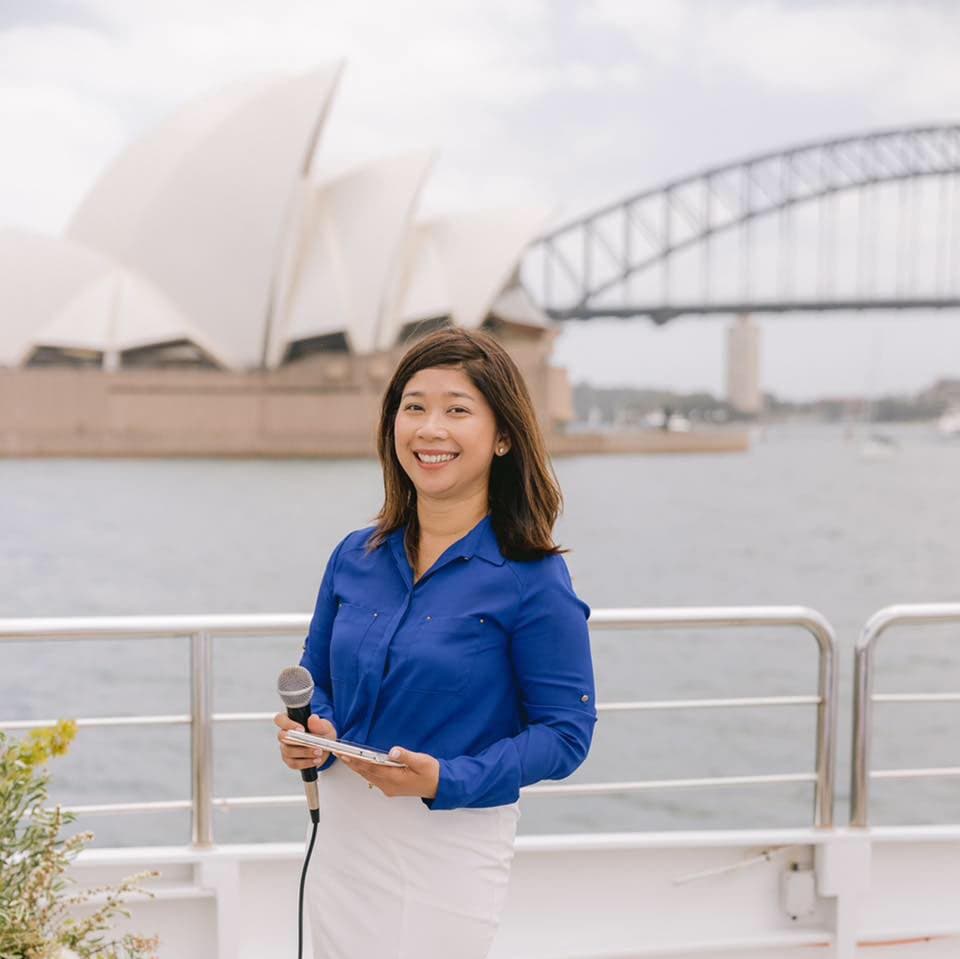
Beverly Simmons-Hurtado – Your Celebrant & Ceremony Specialist
NSW
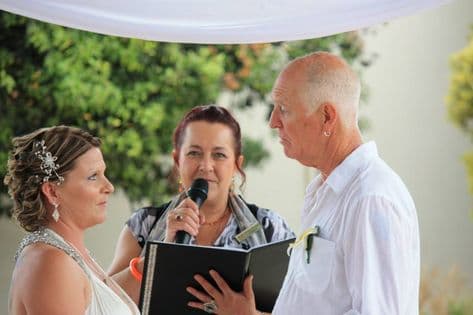
Blessed Be Ceremonies - Michelle Whichello - (Pitjantjatjara)
SA
Bob McGilchrist – Marriage Celebrant
Sevenhill, SA
By My Side Celebrant - Jen Attard
SA
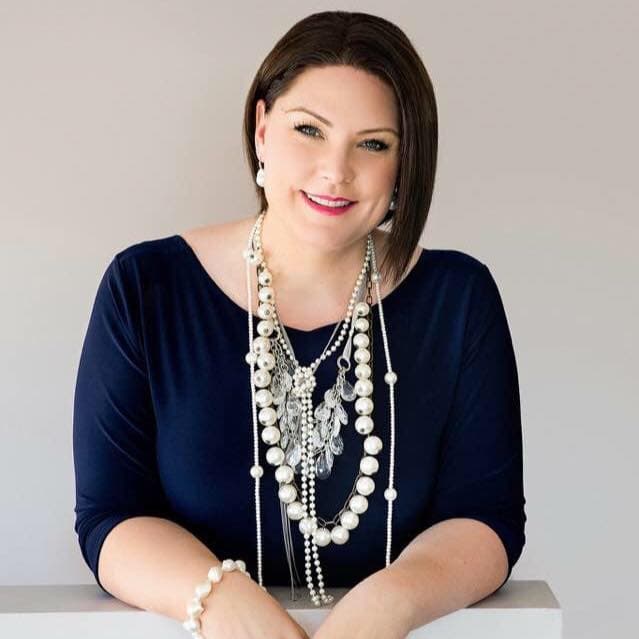
Cassidy Civil Celebrant
QLD
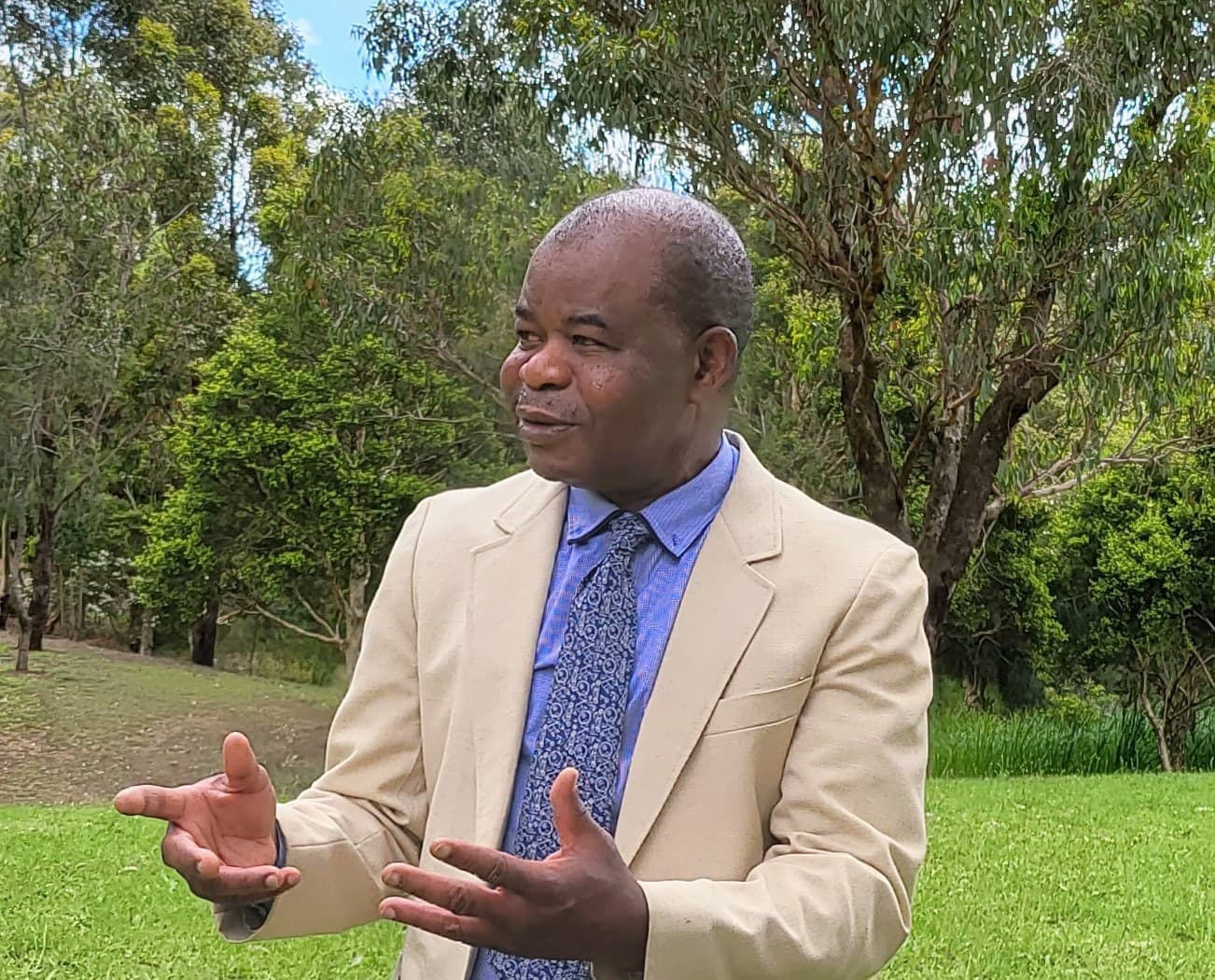
Celebrant At The Centre
Riverwood, NSW

Celebrant Victoria - Ann Flockhart
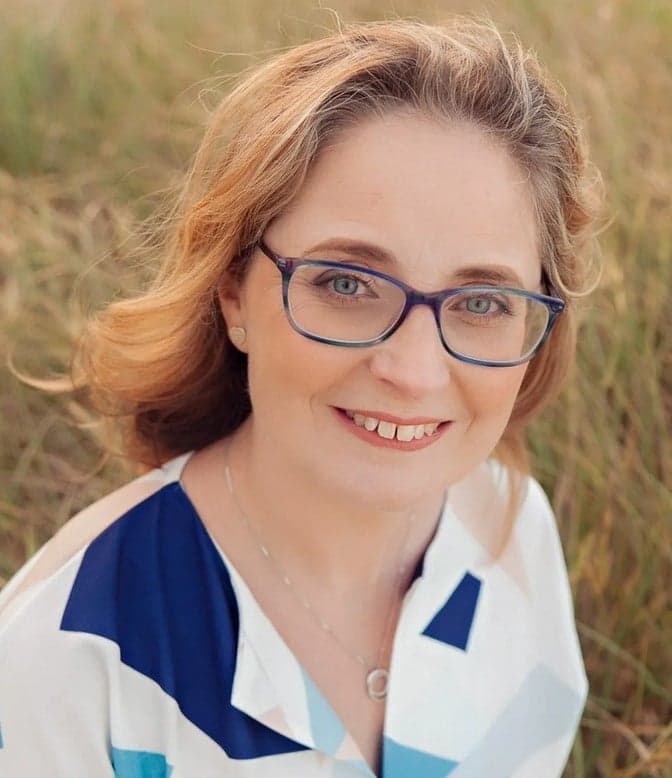
Celebrate with Lucy - Lucy Roberts
QLD
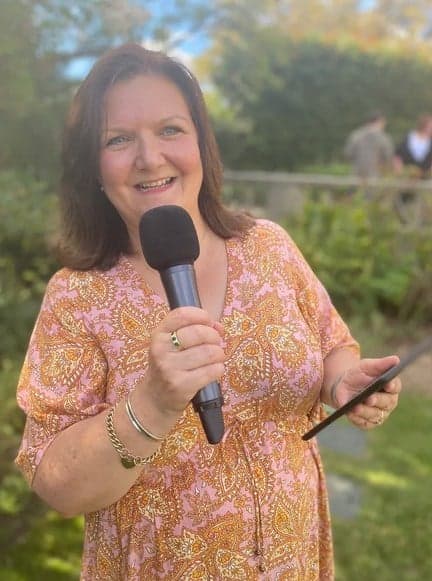
Ceremonies Created with Love - Sheryl Haby
VIC
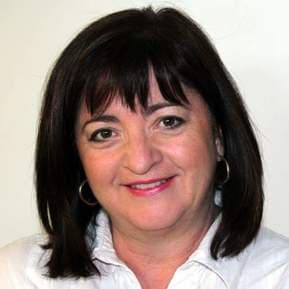
Ceremonies With Joy - Joylene Goldsworthy
SA
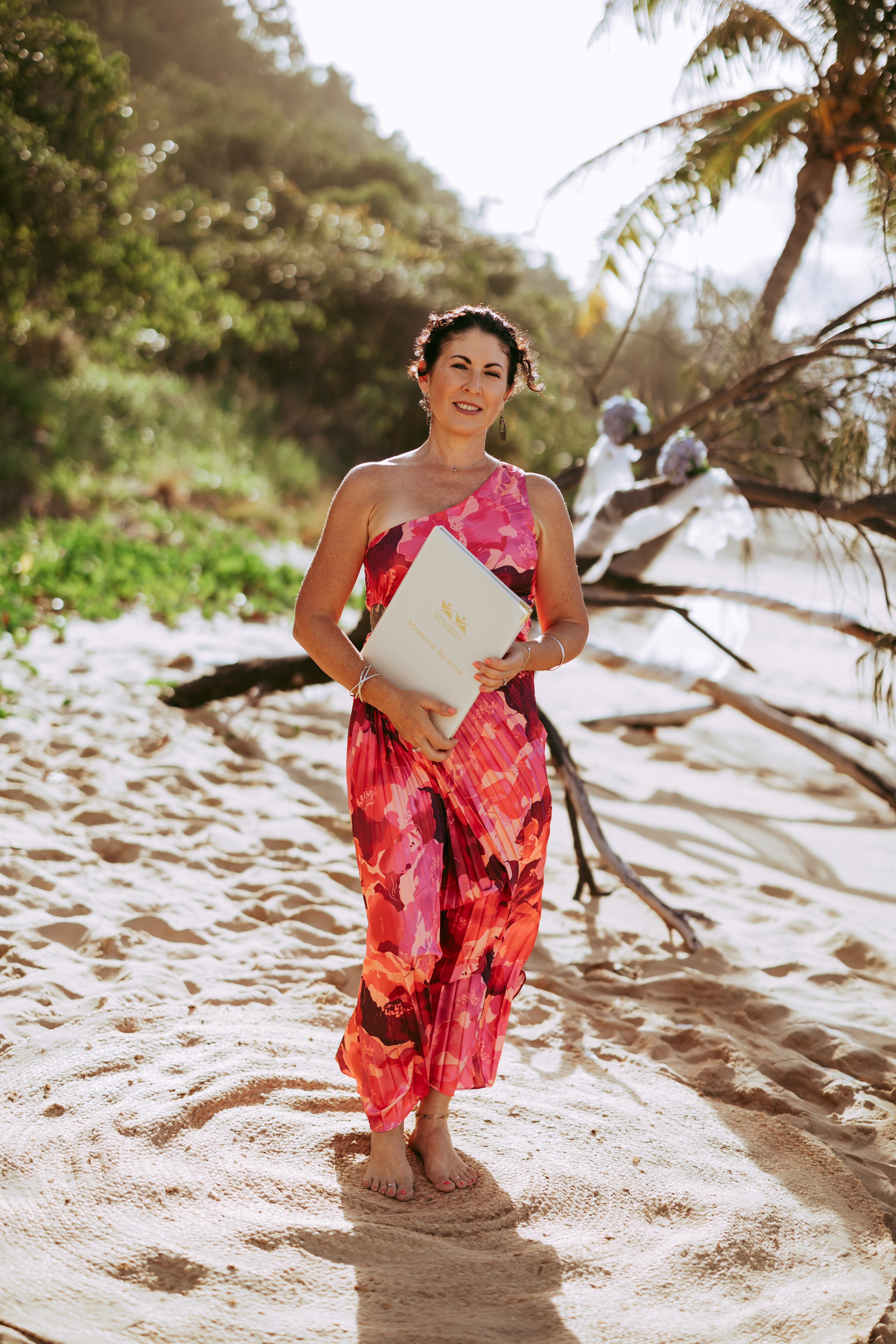
Ceremonies by Rosie
KEWARRA BEACH, QLD
Warm. Vibrant. Inclusive. Celebrating love in two languages — English and Spanish. Always Rosie.”
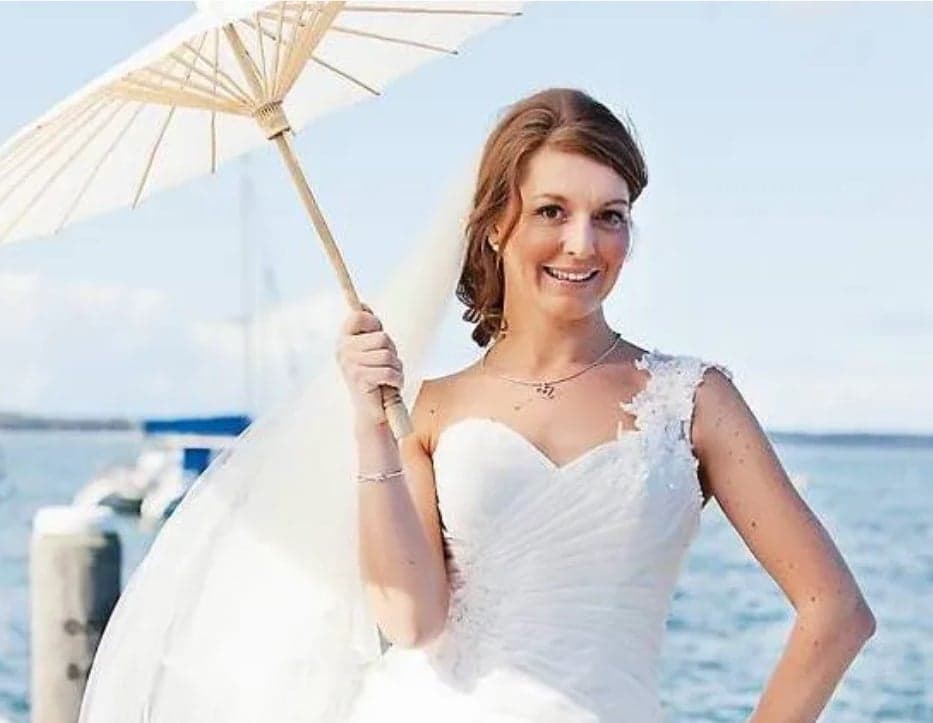
Ceremonies with Tanya - Tanya Emes
NSW
Cherie Tuckwell JP CMC
NSW
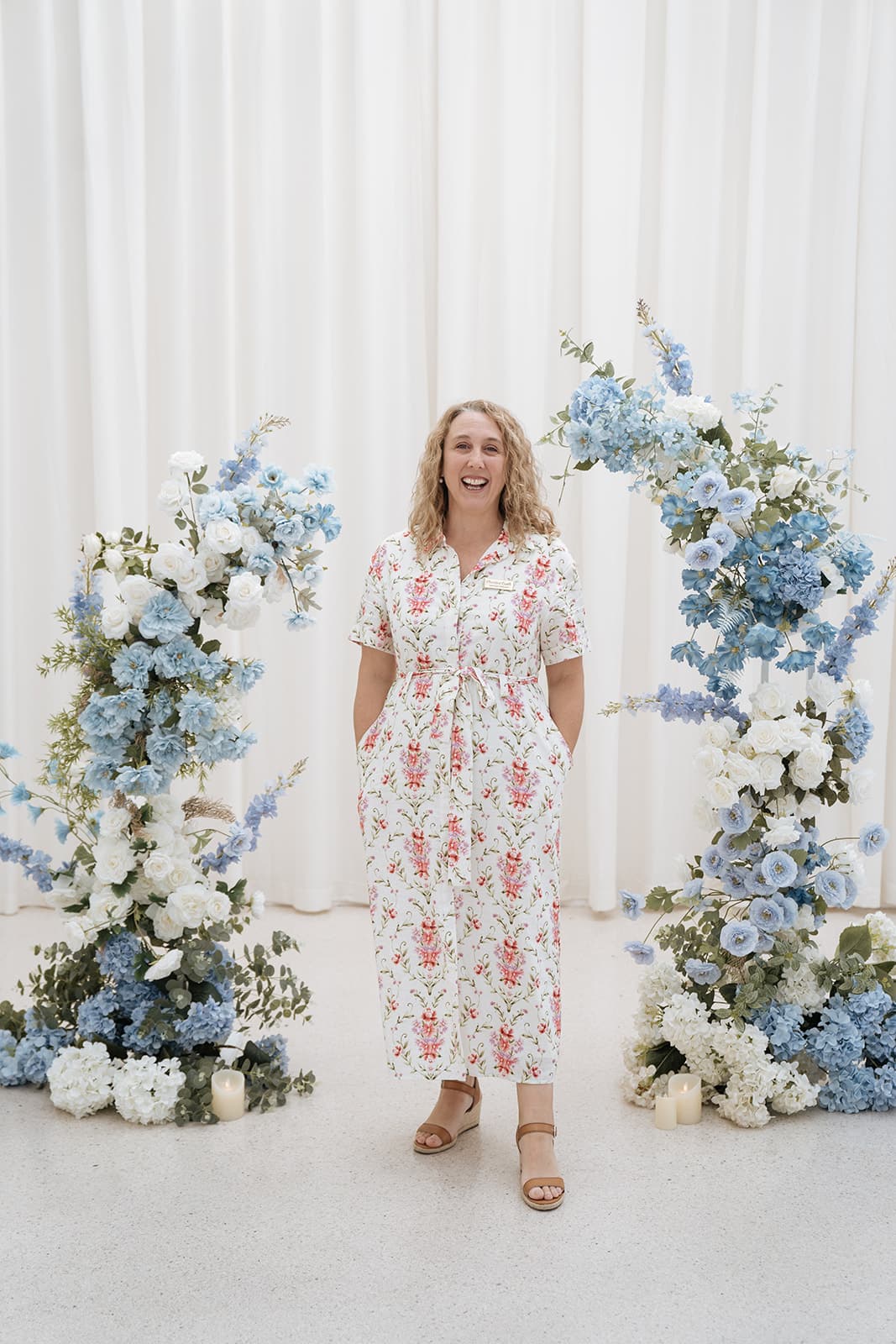
Christine Castle Marriage Celebrant
Dingley Village, Victoria
If you want a ceremony that feels warm, natural, and full of heart, I’d love to be part of your day 💫
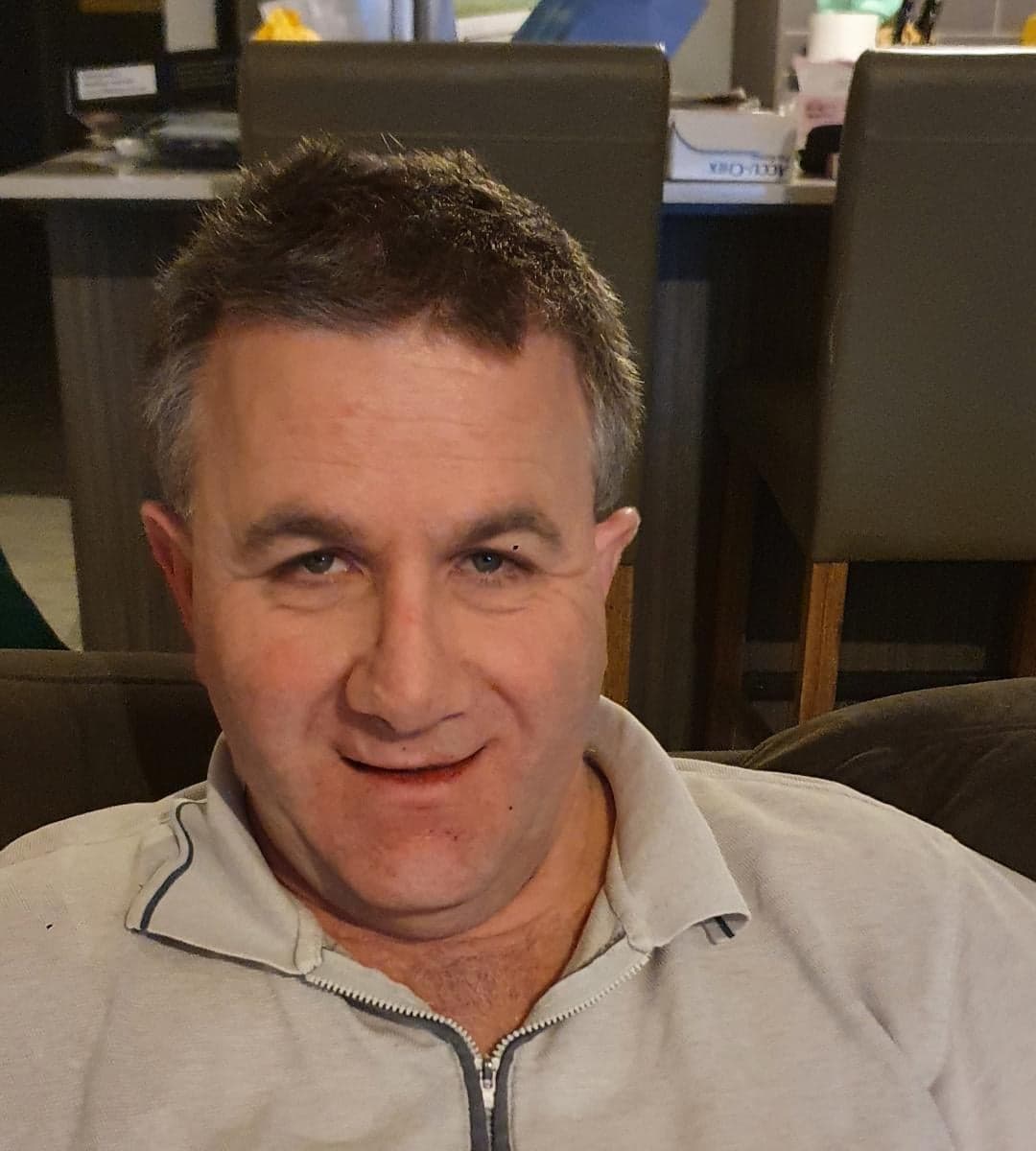
Craig Collins Celebrant
VIC
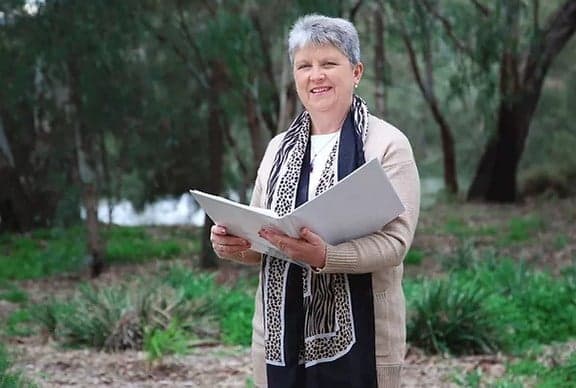
Creating Magical Ceremonies – Carolyn Harrop
VIC
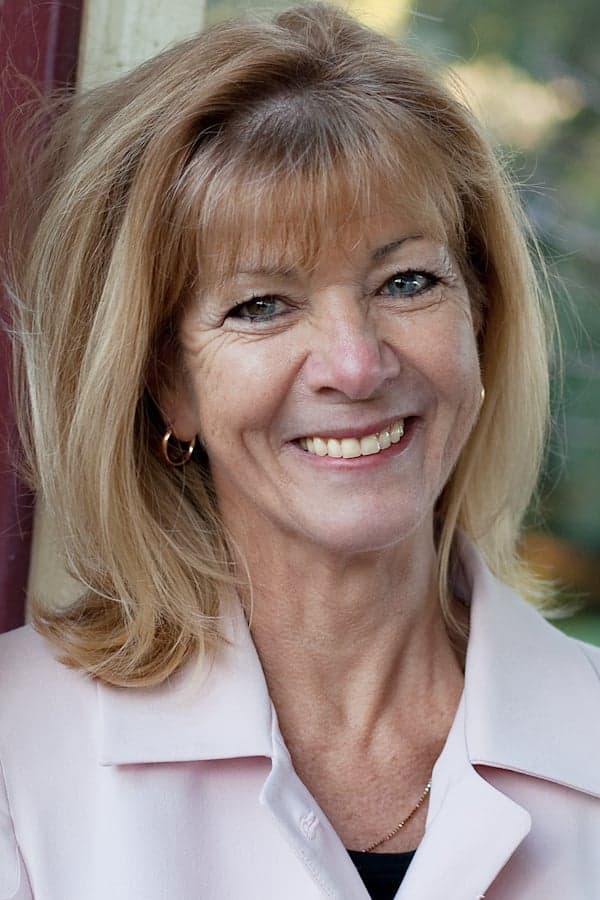
Creating Perfect Days – Heather Hull
VIC
What to look for in a marriage celebrant
Your celebrant sets the tone for the most important moment of the day, so knowing how to choose a marriage celebrant matters as much as picking the venue. In Australia, only an authorised marriage celebrant can legally solemnise your wedding, and styles range from warm and personalised to brief and formal. The right fit comes down to personality, ceremony style, legal know-how and availability on your date. This guide covers what to expect, what's included, hidden extras and the key questions to ask a marriage celebrant before booking.
What to expect and service levels
In Australia, weddings are legally solemnised by either a Commonwealth-registered (civil) marriage celebrant or a recognised religious minister. Most couples planning a non-church wedding work with a civil celebrant, who is independent and free to craft a ceremony that reflects your relationship, beliefs and sense of humour.
Service levels vary widely. At the simpler end, a celebrant may offer a streamlined or 'elopement' package: completing the legal paperwork, lodging your Notice of Intended Marriage, and conducting a short, mostly scripted ceremony with the legally required wording. This suits couples eloping or wanting something quick and budget-conscious.
Most couples choose a full-service package. Here the celebrant meets with you (in person or by video) to learn your story, writes a bespoke ceremony, helps you choose readings, rituals and vows, manages all legal documentation, and conducts a rehearsal where needed. Expect ongoing email and phone contact, a draft ceremony to review, and a polished delivery on the day with their own PA system for smaller venues.
Personality and delivery are everything. A celebrant who is relaxed, well-spoken and confident with a microphone can lift the whole ceremony, while a nervous or scripted reader can flatten it. Many celebrants specialise — same-sex weddings, multicultural or bilingual ceremonies, large formal events, or intimate backyard affairs — so look for someone whose style genuinely matches the wedding you're picturing. Always confirm they hold current Commonwealth registration and are not under any conditions or suspension.
What's usually included
A standard full-service celebrant package typically includes an initial consultation to get to know you, then the writing of a personalised ceremony tailored to your story. This is the celebrant's core craft: weaving how you met, your values and your future into a script that feels like you, not a template.
The legal side is almost always included and is non-negotiable. Your celebrant lodges the Notice of Intended Marriage (NOIM) with the required lead time, verifies your identity and eligibility documents, witnesses and completes the marriage paperwork, includes the legally mandated wording (the Monitum and required vows), and registers your marriage with Births, Deaths and Marriages after the day. They should also arrange your official marriage certificate.
Most packages cover unlimited reasonable email and phone contact during planning, a draft ceremony for you to review and refine, guidance on writing your own vows, and suggestions for readings, symbolic rituals (such as handfasting, a sand or candle ceremony) and ceremony structure. A rehearsal is commonly included for larger or more formal weddings, though sometimes only on request.
On the day, expect the celebrant to arrive early, coordinate with your photographer and venue, and bring a quality portable PA system and microphone suitable for the ceremony space and guest numbers. Many also supply a signing table or ceremony copy, manage the timing and cues, and ensure witnesses are properly briefed. Clarify exactly which of these sit inside the quoted fee versus being optional add-ons.
What's often excluded or costs extra
Travel beyond a set radius is a common extra. Celebrants often quote for a local area and add a fee — or accommodation for distant or regional weddings — when the venue is far away or requires an overnight stay. Always confirm the travel boundary and any associated charge upfront.
The official marriage certificate is worth checking carefully. The celebrant's own presentation certificate is decorative and has no legal standing; the legally recognised standard certificate (used for changing your name, visas and so on) is issued by the state or territory Births, Deaths and Marriages registry for a separate government fee. Some packages include ordering it on your behalf, others leave it to you.
A larger or more elaborate PA system, additional microphones for readers or musicians, or sound for a big outdoor crowd may cost more than the basic setup. Extra rehearsals, multiple in-person meetings if you prefer them over video, or late changes to the script close to the day can also attract fees.
Watch for deposit and cancellation terms: deposits are usually non-refundable, and some celebrants charge if you postpone or change the date and they're no longer available. Date changes during peak season can be especially tricky. Finally, optional extras such as a keepsake ceremony booklet, naming or commitment elements, or bilingual delivery are typically priced separately. Read the package inclusions line by line so you understand what the headline fee actually covers before you sign.
What to watch out for
The biggest red flag is legal sloppiness. Your celebrant must lodge your NOIM at least one calendar month (and no more than 18 months) before the wedding, so book early and confirm they understand and meet the legal timeframes. A celebrant vague about paperwork, identity checks or the required wording is a genuine risk to the validity of your marriage.
Verify current registration. Every authorised civil celebrant appears on the Commonwealth's public register of marriage celebrants; check they're listed and not subject to conditions. Be wary of anyone reluctant to confirm their registration number or share a written agreement.
Mismatched style is a softer but real danger. A celebrant who is wonderful but formal can feel wrong for a laid-back beach wedding, and vice versa. Watch for celebrants who recycle the same generic ceremony, gloss over getting to know you, or won't share a sample script or video of them speaking.
Protect yourself with a written contract covering fee, inclusions, travel, payment schedule, cancellation and a backup plan. Ask what happens if they fall ill on the day — reputable celebrants have a network of colleagues who can step in. Be cautious of unusually cheap quotes that may exclude the legal essentials, and of poor communication during planning, which often signals how the day itself will run.
Questions to ask your marriage celebrant
- 1Are you a current Commonwealth-registered marriage celebrant, and what is your registration number?
- 2Is my preferred date available, and how soon do we need to lodge the Notice of Intended Marriage?
- 3How do you personalise the ceremony, and can I see or hear a sample of your work?
- 4What exactly is included in your fee, and what costs extra (travel, rehearsal, PA, certificate)?
- 5Do you provide your own PA system and microphone, and is it suitable for our venue and guest numbers?
- 6What is your process and timeline for drafting the ceremony and reviewing it with us?
- 7What happens if you're unwell or unable to attend on the wedding day?
- 8What are your deposit, payment and cancellation or postponement terms?
Marriage Celebrants FAQs
- How far in advance should I book a marriage celebrant?
- Popular celebrants book out months ahead, especially for peak season and weekend dates, so it's wise to secure yours as soon as you've locked in a date and venue. Legally, your celebrant must lodge the Notice of Intended Marriage at least one calendar month before the wedding, so booking early also protects you against the minimum-notice deadline.
- What's the difference between a civil celebrant and a religious minister?
- A civil marriage celebrant is registered with the Commonwealth and conducts non-religious or personalised ceremonies you can shape however you like. A minister of a recognised religious body performs ceremonies within that faith's traditions. Both can legally solemnise your marriage in Australia, but a civil celebrant generally offers more flexibility over content, location and style.
- Do I get a legal marriage certificate from my celebrant?
- Your celebrant registers your marriage and can issue a decorative presentation certificate, but that one isn't legally valid for official purposes such as changing your name or applying for a visa. The legally recognised certificate is issued by your state or territory Births, Deaths and Marriages registry for a separate fee. Ask whether your celebrant orders it for you or leaves it to you.