
Wedding Directory
Wedding Venues in Australia
Discover Australia's finest wedding venues. Browse profiles and enquire directly with the professionals who'll bring your wedding day to life.
Browse Wedding Venues by location

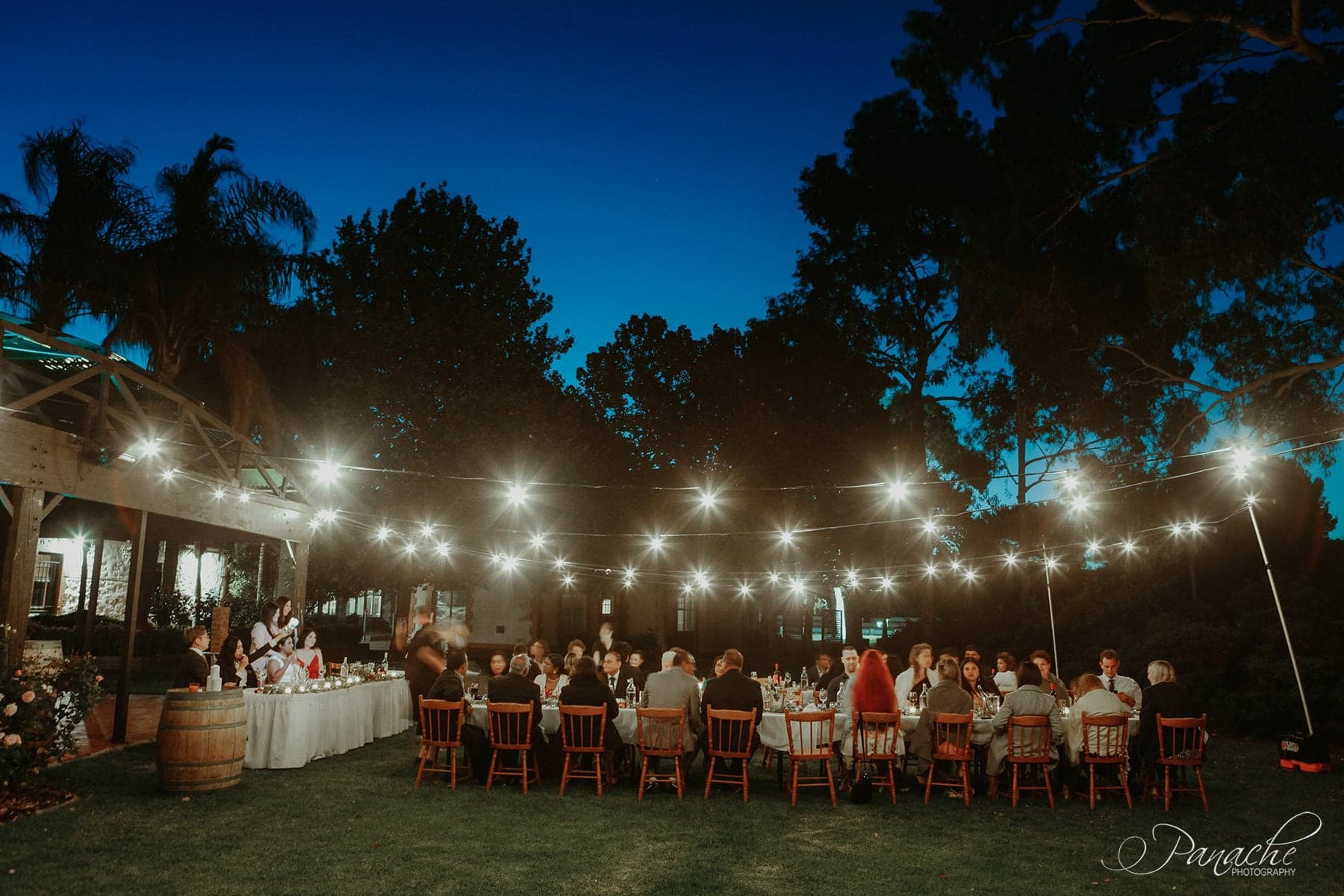
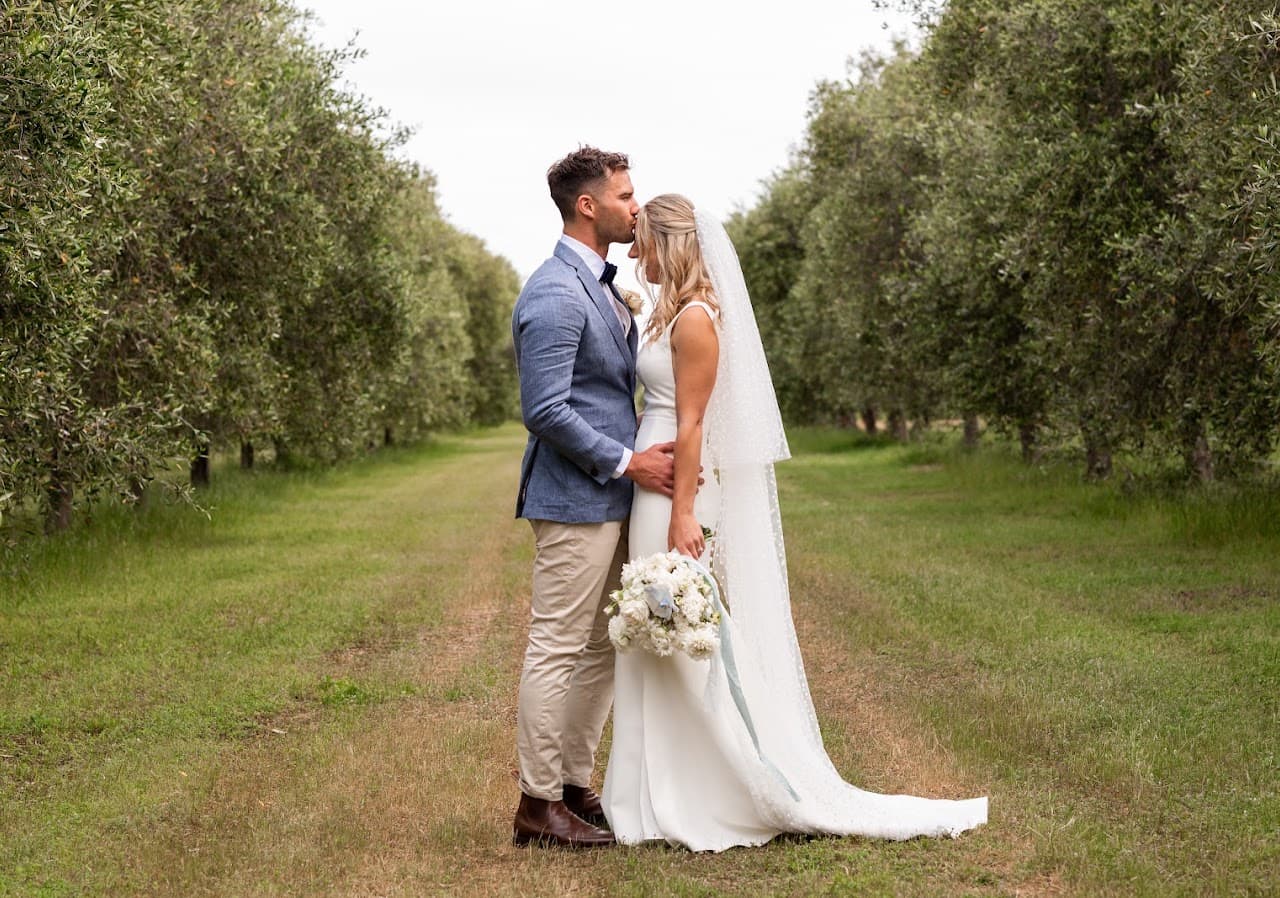
What to look for in a wedding venue
Your wedding venue sets the tone, budget and logistics for your entire day, so knowing how to choose a wedding venue is one of the first big decisions you'll make. The right space balances capacity, style, location and inclusions against your guest list and budget. In Australia, options range from coastal estates and vineyards to ballrooms, gardens, barns and warehouses. This guide explains realistic service levels, what's usually included versus charged extra, and the questions to ask a wedding venue before you sign anything.
What to expect and service levels
Australian wedding venues fall into a few broad service models, and understanding them early saves a lot of confusion later. At one end are full-service venues that handle the ceremony space, reception, in-house catering, tables, chairs, glassware and a dedicated coordinator on the day. At the other end are dry-hire or "blank canvas" spaces, where you rent the room or grounds and bring in everything else yourself, from caterers and furniture to power, lighting and bathrooms.
Most couples sit somewhere in between. A typical reception venue provides the space, basic furniture, food and beverage packages, and a venue manager who oversees the floor on the night. The level of planning support varies enormously. Some venues assign a coordinator who helps with floor plans, run sheets, timings and supplier access; others simply unlock the door and expect you, or your hired planner, to direct the day. Always clarify whether the coordinator is yours exclusively or shared across multiple events.
Exception: don't assume the person who sells you the venue is the person managing your wedding. It's common for a sales contact to hand over to an on-the-day events team you've never met. Ask who will actually be running the floor and whether you'll meet them beforehand.
Capacity and exclusivity matter just as much as style. Confirm the realistic seated capacity with your chosen layout (long tables eat more space than rounds), and ask whether you have exclusive use of the property or whether another wedding or function could run alongside yours. Exclusive use is a major value driver and is worth confirming in writing.
What's usually included
Inclusions differ sharply between venue types, but full-service and packaged venues commonly bundle a core set of items. Expect the ceremony and/or reception space for an agreed number of hours, tables, chairs, standard linen, crockery, cutlery and glassware. Food is usually offered as a per-head package, with options such as plated, shared or grazing service, and beverage packages priced per head for a set duration.
Many venues also include some staffing in the package, typically waitstaff, bar staff and a venue or floor manager for the event. Basic setup and pack-down of the venue's own furniture is generally covered, along with a cake table, gift table, easels for signage and a microphone or basic PA for speeches. Some include a wedding coordinator or at least a contact who manages supplier bump-in and the running order on the day.
Venues with grounds often include use of a ceremony lawn or garden, undercover wet-weather space, and on-site parking. Accommodation venues may include the bridal suite for the wedding night or a getting-ready room. It's increasingly common for packages to bundle a few extras such as table numbers, a basic centrepiece, or a tasting for the couple before the wedding.
The key is to get the inclusions itemised in writing rather than relying on a glossy brochure. Two venues quoting a similar per-head price can differ wildly once you account for what each one actually provides versus what you'll need to source and pay for separately.
What's often excluded or costs extra
This is where wedding budgets quietly blow out, so scrutinise the exclusions carefully. Beverages are a classic variable: a package may cover house wine and beer for a fixed window, with spirits, cocktails, top-shelf options or extended bar hours charged extra, or available only on consumption. Confirm exactly which drinks are included, for how long, and what happens when the package time ends.
Styling and decor are frequently excluded. Florals, candles, draping, lounge furniture, dance floors, feature lighting and premium linen usually come from external stylists at additional cost. Audio-visual beyond a basic microphone, such as a stage, screens, uplighting or a band's power and rigging requirements, may attract hire or technician fees. Ceremony setup, including chairs, a signing table, arbour and an aisle, is often a separate line item from the reception.
Watch for surcharges that aren't in the headline price: public holiday and peak-season loadings, minimum spend requirements, cakeage or service fees, security guards (sometimes mandatory), cleaning fees, and overtime if the event runs late. Off-site or destination-style venues may pass on costs for generators, portable bathrooms, marquees, traffic management and guest transport.
Finally, check supplier policies. Some venues require you to use their preferred caterers, bar service or stylists, or charge a commission or "external supplier" fee if you bring your own. Corkage, kitchen access for dry-hire caterers, and restrictions on confetti, candles, fireworks or amplified music after a certain hour can all add cost or limit your plans.
What to watch out for
A few genuine red flags should slow you down before signing. Be wary of venues that won't put inclusions, capacity and pricing in writing, or that quote a low per-head rate while burying minimum spends, loadings and fees in the fine print. If a venue is vague about who manages your day or dodges questions about exclusive use, treat that as a warning sign.
Read the contract's cancellation, postponement and force majeure terms closely. After recent years of disruption, sensible venues offer clear postponement options, but some still hold non-refundable deposits or apply steep penalties. Understand the payment schedule, what triggers each instalment, and whether your deposit is refundable or transferable.
Check wet-weather plans in detail, especially for garden and waterfront venues. "We'll move it inside" is meaningless if the indoor space only fits half your guests or loses the view you fell for. Ask to see the actual wet-weather room. Similarly, confirm noise restrictions and a hard finish time; an early curfew can cut your reception short.
Visit at a comparable time of day and, ideally, see the space styled for a real event rather than empty. Confirm public liability insurance, food safety credentials, and whether the venue is licensed for alcohol service. Finally, beware overcommitted operators who book back-to-back weddings with tight turnarounds, leaving little buffer if the event before yours runs over.
Questions to ask your wedding venue
- 1Is the venue exclusively ours for the day, or could another event run at the same time?
- 2Who will coordinate and run our wedding on the day, and will we meet them before the event?
- 3Exactly what is included in the per-head price, and what are the common extra charges?
- 4What does the beverage package cover, for how long, and how are spirits or extended bar hours handled?
- 5What is your detailed wet-weather plan, and can we see the indoor backup space?
- 6What time must music finish and guests leave, and are there overtime fees?
- 7Are we required to use your preferred suppliers, and are there fees for bringing our own?
- 8What are your deposit, payment schedule and cancellation or postponement terms?
Wedding Venues FAQs
- How far in advance should we book a wedding venue in Australia?
- Popular venues, especially for spring and autumn Saturdays, are often booked 12 to 18 months ahead, and sought-after locations can go even earlier. If you have a specific date, season or venue in mind, start enquiring as soon as you're engaged. Mid-week, off-peak and winter dates tend to have more availability and sometimes better rates.
- What's the difference between a full-service venue and a dry-hire venue?
- A full-service venue provides the space plus catering, furniture, staff and usually a coordinator, so most of the day is handled in-house. A dry-hire or blank-canvas venue rents you the space only, and you bring in everything else, including caterers, furniture, bar service and sometimes power and bathrooms. Dry hire offers more freedom but requires more planning and can cost more once all suppliers are added.
- How do I compare venue quotes fairly when prices vary so much?
- Don't compare on per-head price alone. Ask each venue to itemise exactly what's included, then add the likely cost of anything excluded, such as ceremony setup, styling, beverages beyond the package, and any minimum spend, surcharges or supplier fees. Comparing the full estimated cost for your real guest count and timing gives a far more accurate picture of value.