Wedding Directory
Wedding Catering in Australia
Discover Australia's finest wedding catering. Browse profiles and enquire directly with the professionals who'll bring your wedding day to life.
Browse Wedding Catering by location
Victoria
Filter
Service style
Dietary options

Riverside Woodfired Pizza
Murray Bridge, SA
Woodfired Pizza Wedding Catering - We'll Roll In and Feed You Until You Roll Out

Adelaide Woodfired Pizza
SA
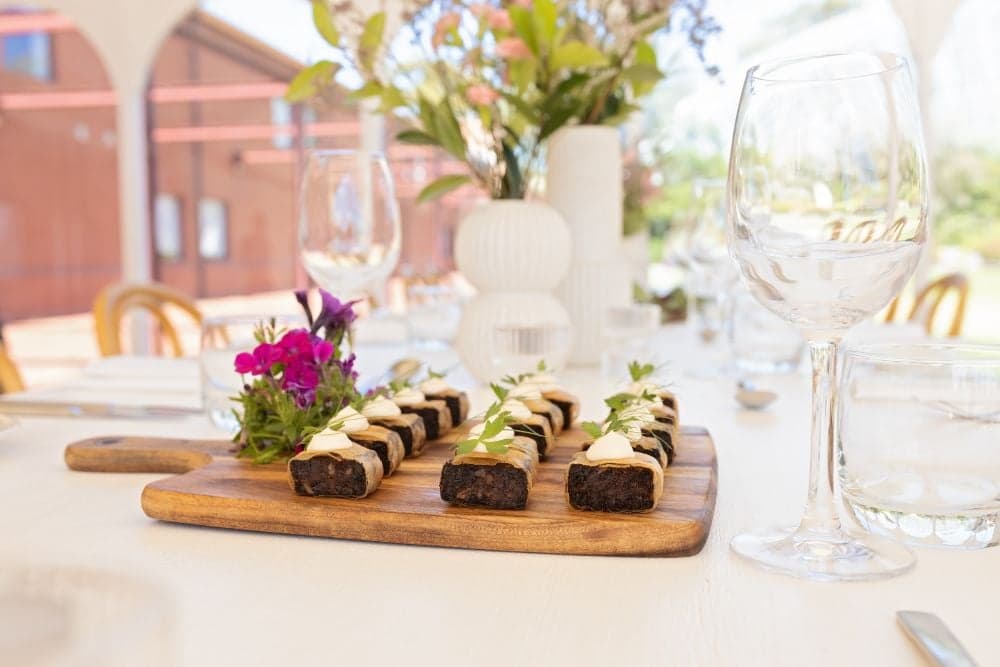
Blanco Catering
Glynde, SA
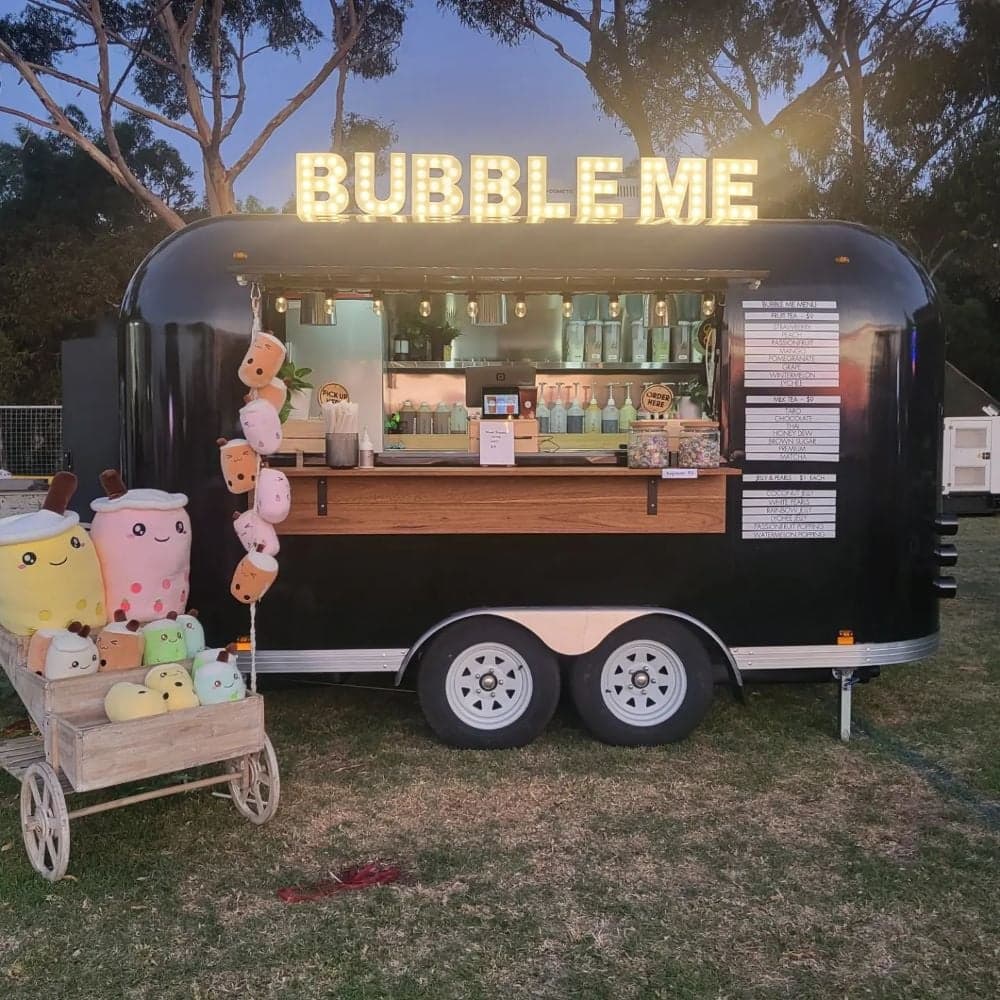
Bubble Me Bubble Tea
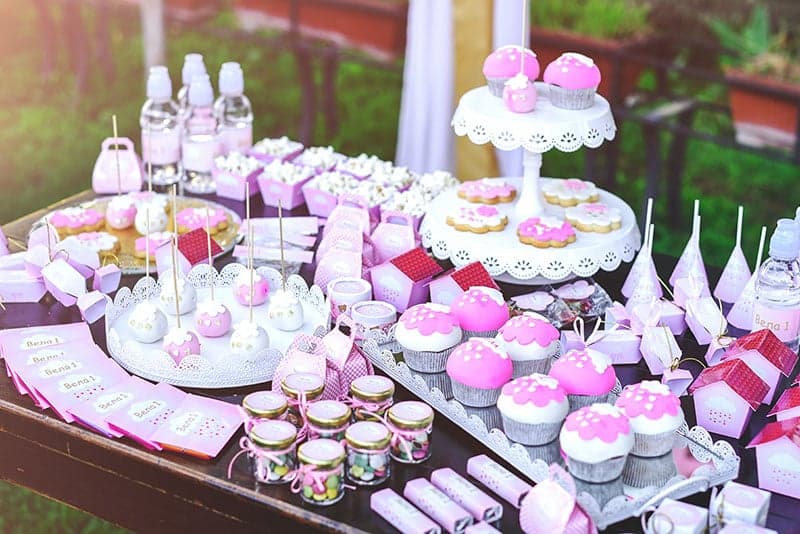
Buildacake Bakery
Glen Huntly, VIC
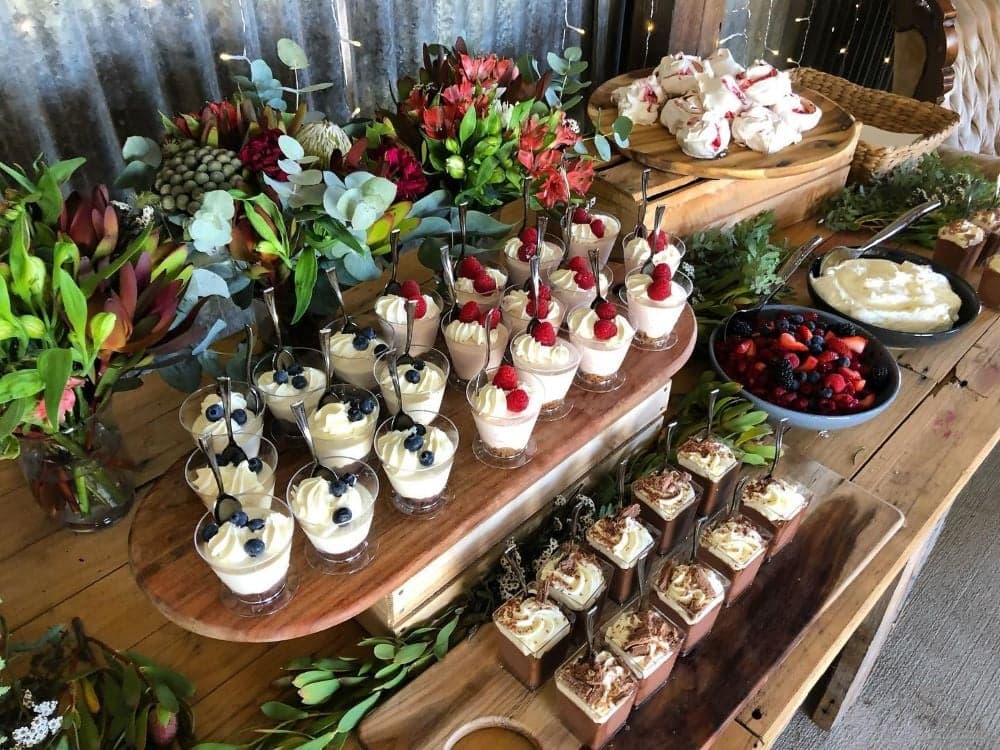
Event Gourmet + Florals
SA
Events by Coast
Glenelg, SA
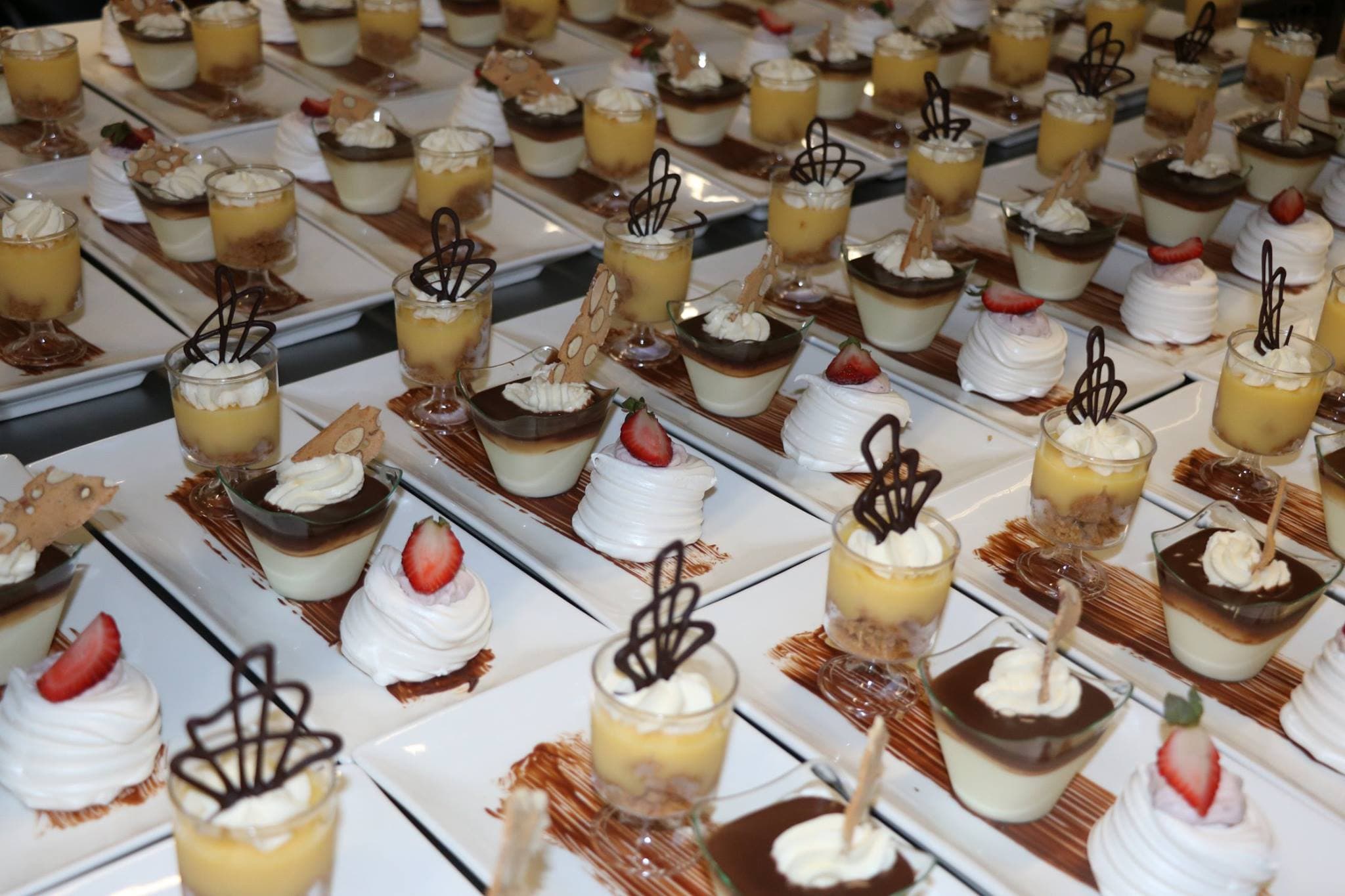
Mediterranean Excellence
SA

TaCHs Stroopwafels
Clovelly Park, SA
is a family-owned mobile dessert vendor serving freshly baked, warm, and gooey traditional Dutch stroopwafels and ice cream from a restored vintage caravan across Adelaide and regional South Australia.
What to look for in a wedding caterer
Food is the part of the day guests remember most, so learning how to choose a wedding caterer is one of the more important decisions you'll make. The right caterer shapes the flow of your reception, the style of your menu and how relaxed you feel on the day. Compare service styles, dietary flexibility, staffing and how each caterer handles your venue's setup. Tasting the food, reading the contract closely and asking the right questions to ask a wedding caterer will help you book with confidence.
What to expect and service levels
Wedding caterers in Australia range from drop-off and self-serve operators through to full-service teams that manage everything from canapes to the final clean-down. Understanding where a caterer sits on that scale is the first step in matching them to your venue and budget.
At the lighter end, some caterers prepare food off-site and deliver it ready to serve, leaving you and your guests to handle plating and refills. This suits casual backyard or hall weddings but means more coordination on the day. Mid-tier caterers typically supply cooking and serving staff, manage food safety on-site and present dishes properly, but may not handle bar service, full styling or venue turnover.
Full-service wedding caterers are the most common choice for sit-down receptions. They bring chefs, wait staff and often a function manager who runs the meal service, liaises with your MC and keeps the timeline moving. Many also coordinate hire items, bar staff and front-of-house, effectively acting as the operational backbone of your reception.
Service styles matter as much as service level. Plated (alternate drop or guest choice) is formal and easy to time; shared or banquet feasting encourages a relaxed, communal feel; grazing tables and roaming canapes suit cocktail receptions; and food trucks or stations bring a casual, interactive vibe. Each style carries different staffing, equipment and space requirements, so confirm the caterer has delivered your chosen format at a similar guest count before. A caterer experienced with marquee or 'dry hire' venues is especially valuable, as those sites often lack kitchens, power and refrigeration.
What's usually included
Most full-service wedding catering quotes include menu development and a tasting, the food itself, and the kitchen and wait staff needed to prepare and serve it. Expect the caterer to handle on-site cooking or finishing, plating, table service and clearing throughout the meal.
Standard inclusions usually cover crockery, cutlery and glassware appropriate to your menu, along with serving platters and basic kitchen equipment the team brings to run their station. Many caterers also provide a dedicated function or floor manager for the reception who coordinates timing with your MC, photographer and venue.
Dietary catering is generally part of the service. Reputable caterers will accommodate vegetarian, vegan, gluten-free and common allergy requirements, and will work from your guests' RSVPs to plan exact numbers. Cake cutting and plating of your wedding cake as a dessert is often included or offered at a small fee.
Packs-down and basic kitchen clean-up at the end of service is typically included, with the team removing their own equipment, rubbish from food service and any hire items they supplied. Most caterers also carry public liability insurance and hold the relevant food safety certification, which many venues require as a condition of booking. Always confirm exactly what a given quote covers, because two caterers at similar prices can include very different things.
What's often excluded or costs extra
The line items that surprise couples most are usually outside the headline per-head price. Beverages and bar service are frequently quoted separately, and arrangements vary widely. Some caterers run the bar and supply drinks; others offer staff only while you supply the alcohol (sometimes called 'BYO' with a corkage or service fee); some don't touch beverages at all.
Hire items beyond basic crockery often attract extra cost. Tables, chairs, linen, napkins, premium glassware, charger plates, ovens, refrigeration and even marquees or power generators may be billed separately or arranged through a third party, particularly at dry-hire venues without a kitchen.
Staffing can scale your bill. Additional hours for a longer reception, extra wait staff for higher guest numbers, and travel or accommodation for regional and destination weddings are common add-ons. Some caterers apply surcharges for public holidays or peak Saturday dates.
Watch for service charges, GST, deposit and final-payment schedules, and minimum spends or minimum guest numbers that can make a small wedding cost more per head. Children's and supplier meals (for photographers, the band or celebrant) are usually charged, often at a reduced rate. Late-night snacks, grazing tables, canapes during photos and dessert stations are typically priced on top of the main meal. Finally, ask whether cake cutting, additional dietary meals, and on-site cooking equipment carry fees, and get every extra itemised in writing so the quote you compare is genuinely like-for-like.
What to watch out for
A few genuine red flags separate a smooth experience from a stressful one. Be cautious of caterers who won't offer a tasting before you commit, or who quote a per-head figure without itemising staff, hire, beverages and surcharges. Vague quotes almost always grow once the details are filled in.
Check that the caterer is properly licensed and insured. Ask to see their food safety certification and public liability cover, and confirm they meet your venue's requirements. At dry-hire and marquee venues, verify they have catered without a built-in kitchen before and have a plan for power, water and refrigeration.
Clarify final-numbers deadlines and cancellation terms. Understand when your guest count locks in, how dietary changes are handled close to the day, and what happens to your deposit if plans change. With memories of disrupted wedding seasons still fresh, sensible postponement and refund clauses are worth confirming in writing.
Be wary of caterers stretched too thin. Ask how many weddings they take on the same day and whether your head chef and function manager will actually be on-site, not just named in the proposal. Read reviews for consistency around food temperature, portion sizes and staff professionalism rather than one-off raves.
Finally, make sure the contract matches the conversation. Menu, guest numbers, service style, staff hours, inclusions, payment dates and a clear point of contact should all be documented. If a caterer is reluctant to put promises in writing or pressures you with a 'today only' discount, treat it as a warning sign and keep comparing.
Questions to ask your wedding caterer
- 1Is the per-head price all-inclusive, and can you itemise food, staff, hire, beverages and any surcharges?
- 2What does your beverage or bar service include, and can we supply our own alcohol with a corkage or service fee?
- 3Will the chef and function manager I meet actually be on-site on the day, and how many weddings do you cater that day?
- 4Have you catered at our venue or a similar dry-hire/marquee site, and what equipment do you bring versus hire in?
- 5How do you handle dietary requirements and allergies, and are these meals charged separately?
- 6When do final guest numbers lock in, and what are your deposit, payment and cancellation or postponement terms?
- 7What's included in pack-down and clean-up, and are travel, accommodation or peak-date surcharges applied?
- 8Can we book a tasting before committing, and will the final menu match what we sample?
Wedding Catering FAQs
- How far in advance should I book a wedding caterer?
- Most couples book their wedding caterer around nine to twelve months out, and popular caterers for peak Saturday dates can fill earlier. If your caterer is tied to a specific venue or you're planning a destination or long-weekend wedding, enquire as soon as your date is locked. Booking early also gives you time for a tasting and to refine the menu without pressure.
- What's the difference between full-service and drop-off catering?
- Full-service caterers bring chefs, wait staff and usually a function manager who cooks or finishes food on-site, serves your guests, manages timing and packs down afterwards. Drop-off catering delivers food ready to serve and leaves plating, refills and clean-up to you. Full service suits sit-down receptions and dry-hire venues, while drop-off can work for relaxed, smaller or budget-conscious weddings where you have helping hands.
- Can wedding caterers cater to dietary requirements and allergies?
- Yes. Reputable Australian wedding caterers routinely accommodate vegetarian, vegan, gluten-free, halal and common allergy needs, working from your guests' RSVPs to plan exact numbers. Flag requirements early and confirm how each special meal is prepared to avoid cross-contamination. Some caterers include a number of dietary meals in the quote while others charge per meal, so ask how yours handles it.