Wedding Directory
Wedding Hire in Australia
Discover Australia's finest wedding hire. Browse profiles and enquire directly with the professionals who'll bring your wedding day to life.
Browse Wedding Hire by location
What to look for in a wedding hire
Wedding hire covers everything you bring in to dress and equip your day, from tables, chairs and marquees to glassware, lounges, dance floors and statement props. Knowing how to choose a wedding hire supplier comes down to matching their range and stock levels to your venue, guest count and style, then checking that delivery, setup and pack-down are handled the way you expect. The right supplier in Australia balances quality, reliability and clear pricing, so your furniture and equipment turn up on time, in good condition and suit the look you are after.
What to expect and service levels
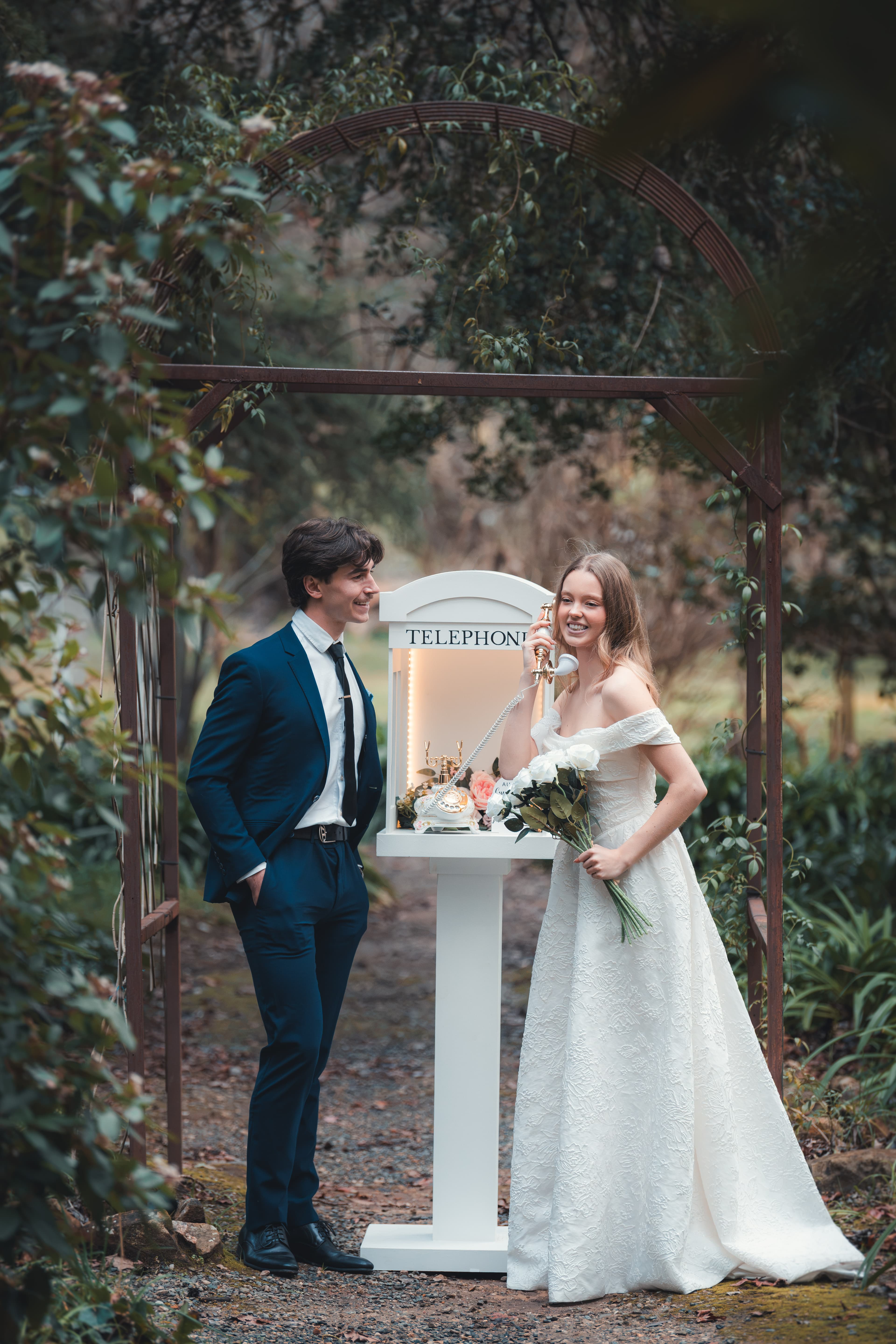
Wedding hire suppliers range from large general event-hire companies with vast warehouses to boutique stylists who curate a tighter, on-trend collection. A general hire company is your go-to for the practical backbone of a wedding: tables, chairs, marquees, flooring, lighting, catering equipment, glassware, crockery, cutlery, urns and heating or cooling. Boutique and styling-led suppliers lean into the decorative side, offering signage, arbours, plinths, lounge settings, rugs, candleholders, charger plates and props that pull a theme together.
Service levels vary widely, so it pays to clarify early. At the simplest end, dry hire means you collect items yourself, transport them, set them up and return them clean. Mid-tier service usually adds delivery and pick-up to your venue within set windows. Full-service suppliers deliver, set up, style and pack down, which is the safest option for marquees, flooring, lighting and anything heavy or technical.
Many suppliers will visit your venue or review a floor plan to advise on quantities and layout, and some offer showroom appointments so you can see and feel items before committing. Expect a quote that itemises hire fees, delivery, setup labour and any after-hours surcharges. The better suppliers act as a planning partner, flagging access issues, weather contingencies and realistic timings rather than simply taking an order.
What's usually included
A standard wedding hire quote typically includes the hire of the items themselves for an agreed period, often a one-to-three-day window covering delivery the day before and collection the day after. Glassware, crockery and cutlery are usually supplied clean and ready to use, with a reasonable allowance for breakages built into normal wear.
For full-service bookings, delivery to the venue, basic setup of larger items such as marquees, flooring and lighting, and pack-down at the end are generally part of the package. Marquee hire usually includes the structure, framing and weighting or pegging, and reputable suppliers will include the labour to install and dismantle it safely.
Most suppliers include a written quote, a booking contract and a confirmed delivery schedule. Many will hold your date with a deposit and provide a final headcount adjustment window so you can fine-tune chair and place-setting numbers closer to the day. Good suppliers also include guidance on care and return expectations, such as scraping plates and not washing glassware, so you avoid surprise cleaning fees. It is worth confirming exactly what your quote covers, because the word included can mean very different things between a dry-hire warehouse and a full-service stylist.
What's often excluded or costs extra
The line items that catch couples out are usually the logistics rather than the products. Delivery and collection are frequently quoted separately and scale with distance, access difficulty and the size of the load. Stairs, long carries, lifts, soft ground and tight venue access can all attract additional labour charges, as can deliveries outside standard business hours or on public holidays.
Setup and styling labour is often extra beyond simply dropping items at the door, particularly for detailed table styling, prop placement or anything requiring a technician, such as rigging, generators or specialty lighting. After-hours or same-night pack-down, common when a venue insists everything is cleared by midnight, typically carries a premium.
Other extras include a refundable security deposit or bond, damage and breakage waivers, cleaning fees if items return dirty, and replacement charges for lost or broken goods at full retail value. Generators, power distribution, flooring underlay, marquee linings, walling, heating, cooling and lighting are sometimes priced as add-ons rather than assumed inclusions. Insurance and public liability cover for the supplier should be standard, but cover for items in your possession during dry hire is usually your responsibility. Always ask for a fully itemised quote so the headline figure is not missing the costs that make the day actually happen.
What to watch out for
The most common red flags are vague quotes and unconfirmed availability. If a supplier will not put quantities, delivery windows, setup responsibilities and total costs in writing, treat that as a warning sign. Stock is finite and peak Saturdays book out, so a verbal hold without a signed contract and deposit is not a real booking.
Watch for quality inconsistency. Hire stock takes a beating, so ask to see actual items or recent photos rather than catalogue images, and check whether you are guaranteed matching sets or a mix of styles and ages. Mismatched chairs or scratched glassware can quietly undermine an otherwise polished setup.
Be cautious about access and timing assumptions. Confirm who is responsible if delivery is delayed, if items arrive damaged, or if the weather turns and a marquee plan needs adjusting. Clarify the cancellation and rescheduling policy, including what happens to your deposit, as this matters more than ever for outdoor and regional weddings. Finally, beware unusually low prices that exclude delivery, setup and bond, and check reviews and references from real weddings, not just styled shoots. A supplier who communicates clearly, holds adequate insurance and commits everything to writing is worth more than the cheapest line on a spreadsheet.
Questions to ask your wedding hire
- 1Is my date confirmed and how much deposit secures the booking with a signed contract?
- 2What exactly does the quote include, and what are the separate charges for delivery, setup, styling and pack-down?
- 3Do you have enough matching stock for my guest count, and can I see the actual items beforehand?
- 4What are your delivery and collection windows, and are there surcharges for after-hours, weekends or difficult venue access?
- 5Is a security bond or breakage waiver required, and how are damaged, lost or dirty items charged?
- 6How are returns expected, for example scraping plates or not rinsing glassware, to avoid cleaning fees?
- 7What is your cancellation, rescheduling and bad-weather contingency policy, especially for marquees and outdoor setups?
- 8Do you hold current public liability insurance, and who is responsible for items while they are in my possession?
Wedding Hire FAQs
- How far in advance should I book a wedding hire supplier?
- Aim to book six to twelve months ahead, and earlier for peak-season Saturdays, popular marquees or large guest counts. Stock is finite, so the best ranges and dates get reserved quickly. Once you have a confirmed venue, guest estimate and rough style direction, lock in your supplier with a deposit and signed contract, then fine-tune exact quantities closer to the day.
- What is the difference between dry hire and full-service hire?
- Dry hire means you collect, transport, set up and return everything yourself, which is cheaper but more work and risk. Full-service hire includes delivery to your venue, setup of larger items, often styling, and pack-down afterwards. For marquees, flooring, lighting and large quantities, full service is usually worth it because installation needs to be done safely and correctly.
- Who is responsible if hired items are damaged or broken?
- Most suppliers charge for damage, loss or breakage at full replacement value, often securing this with a refundable bond or an optional breakage waiver. During dry hire, items are generally your responsibility from collection to return. With full-service hire, the supplier handles transport and setup, but you should still confirm in writing who is liable for accidental damage during your event.