Wedding Directory
Wedding Bands in Australia
Discover Australia's finest wedding bands. Browse profiles and enquire directly with the professionals who'll bring your wedding day to life.
Browse Wedding Bands by location
New South Wales
Victoria
Queensland
South Australia
Western Australia
Australian Capital Territory
Northern Territory



What to look for in a wedding band
Live music sets the energy of a wedding reception like nothing else, and knowing how to choose a wedding band is one of the more rewarding parts of your planning. The right band reads the room, fills the dancefloor and keeps your celebration moving. Before you book, it pays to understand the styles on offer, how line-ups and pricing work, and which questions to ask a wedding band so the act you hire matches your venue, guest list and the atmosphere you want on the night.
What to expect and service levels
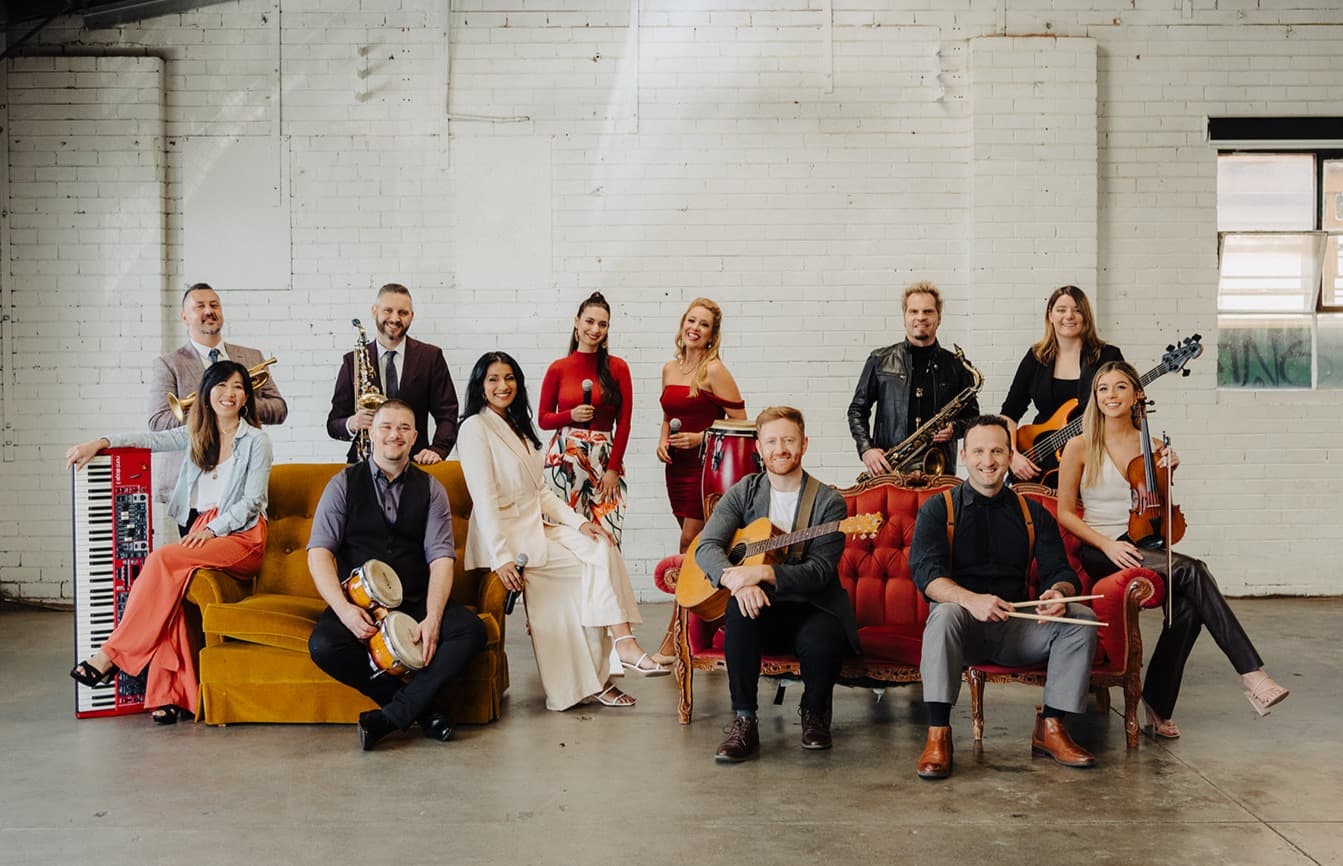
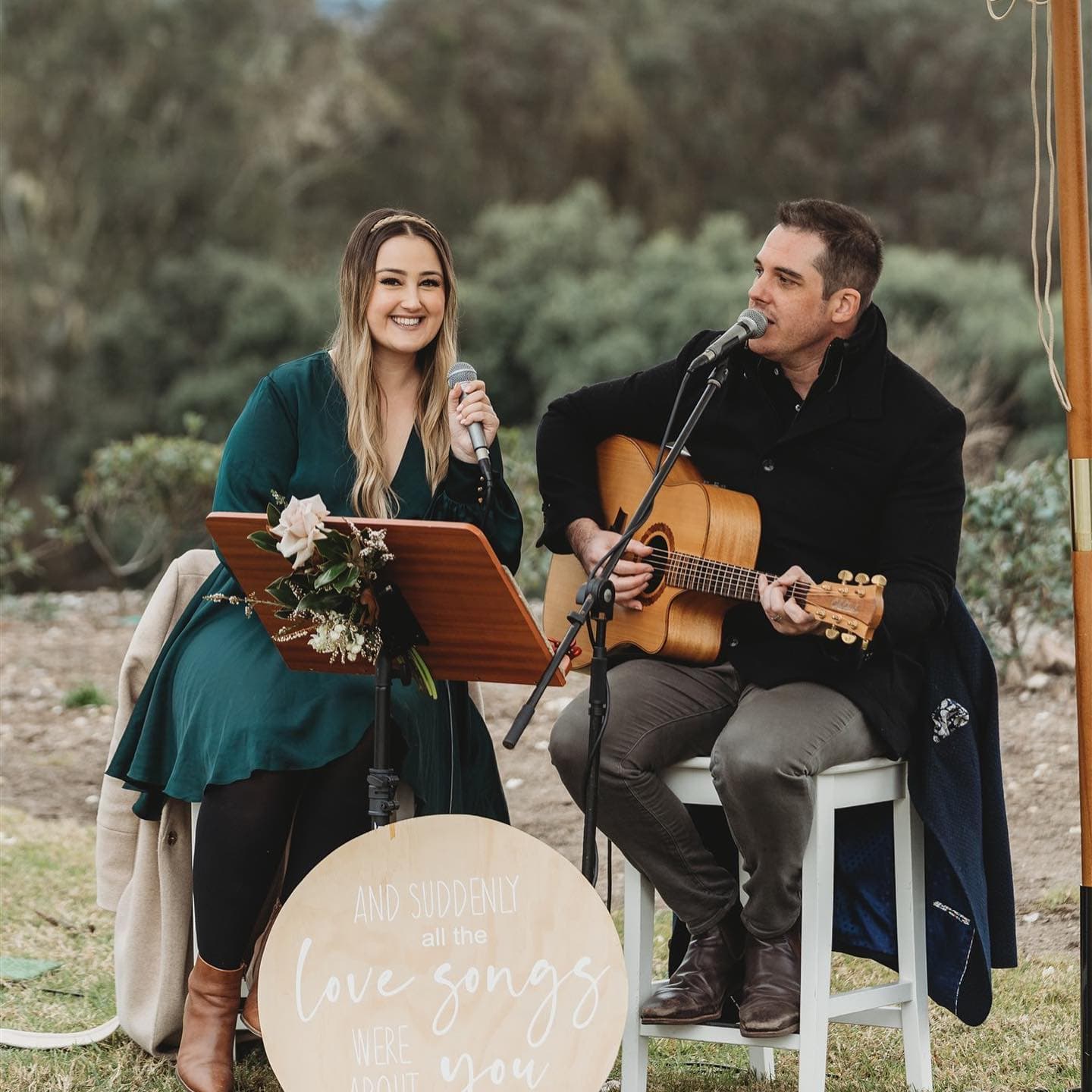
Wedding bands in Australia range from intimate two- or three-piece acoustic acts through to full show bands with horn sections, multiple vocalists and a DJ component. The size of the line-up shapes both the sound and the cost: a duo suits smaller venues and a more relaxed mood, while a five- to eight-piece band delivers the power and presence most couples picture for a packed dancefloor.
Most bands structure their service around sets. A typical reception booking covers two or three sets across the evening, often totalling two to three hours of live performance, with recorded music or a DJ filling the breaks. Some acts offer a single performer or duo for the ceremony and canapes, then expand to the full band for the reception, all under one booking.
Service levels also differ in polish and professionalism. Established wedding bands bring their own PA, lighting, foldback and a sound engineer or experienced operator, and they arrive early to set up and soundcheck without disrupting your timeline. They will usually coordinate with your venue, MC and celebrant, learn your first-dance song, and act as de facto MCs to keep announcements and the run sheet on track.
It is worth clarifying whether you are dealing directly with the performing musicians or with an agency that books from a roster. Agencies can be convenient and offer backup if a member falls ill, but you may not meet your actual players until close to the day. Either way, the best acts will happily share recent live footage, references and a clear sense of how they tailor the night to your crowd.
What's usually included
A standard wedding band quote generally includes the agreed number of performers for the contracted set times, plus the equipment needed to sound good in your space. For most acts that means a full PA system suited to the room, basic stage lighting, microphones for speeches and toasts, and the cabling and stands to run it all.
Learning your first-dance song is commonly part of the package, and many bands will perform it live or play a clean recorded version through their system if it suits better. Curated background and break music between sets is usually included too, so there is no awkward silence while the band rests.
Most professional acts factor in their own setup, soundcheck and pack-down within the booking, along with travel within a defined local radius. They typically carry public liability insurance and can provide a certificate of currency, which many venues require before allowing a band to perform.
Reasonable pre-event communication is also standard: a planning call or questionnaire to confirm your run sheet, key songs, the vibe you want and any do-not-play list. A dependable band will coordinate timings with your venue and other suppliers so the music flows naturally from ceremony through to the last dance.
What's often excluded or costs extra
The line between included and extra varies a lot between acts, so read every quote closely. Travel beyond the local area is one of the most common add-ons, with mileage, tolls, and for regional or interstate weddings, accommodation and per-diems for the musicians. Destination and island weddings can add freight costs for equipment as well.
Extended performance is another frequent extra. If your reception runs long and you want the band to play past the contracted finish, overtime is usually charged per set or per fifteen- or thirty-minute block. Confirming the rate in advance avoids surprises at midnight.
Learning songs outside the band's existing repertoire often attracts a fee, particularly for niche requests or cultural and language-specific numbers that require rehearsal. A live performance of your first dance may cost more than a recorded play. Some couples also want the band to provide ceremony music or background acoustic sets earlier in the day; this is typically priced as a separate component rather than rolled into the reception fee.
Upgrades such as additional lighting, a larger PA for big rooms or outdoor sites, a dedicated sound engineer, a DJ to bridge the breaks, or extra band members can all push the price up. Power requirements matter too: outdoor and marquee weddings may need a generator, which is often the couple's responsibility. Finally, watch for deposits, GST, and cancellation or postponement terms, all of which affect the true cost.
What to watch out for
The biggest red flag is being unable to see what you are actually buying. Be wary of any band that cannot provide recent, unedited live footage of the current line-up rather than polished studio recordings or old clips. A great showreel means little if those players are not the ones turning up on your day.
With agencies and larger rosters, ask exactly who will perform and whether substitutions are possible. Some swapping of session musicians is normal in the industry, but you should know the policy and be comfortable with it. Insist on the lead vocalist or key members being named in your contract where it matters to you.
Vague quotes are another warning sign. If set times, total playing duration, travel, overtime and equipment are not spelled out in writing, you risk disputes later. Make sure the contract covers what happens if a member is ill, if the band cannot perform, and how postponement is handled, which became a far more pressing concern in recent years.
Check practical logistics before signing: how much space, power and setup time the band needs, whether your venue has a noise limiter or curfew that could cut their volume or finish time, and whether they have played there before. A band that ignores volume restrictions can have the power pulled mid-set. Finally, be cautious of acts that demand large non-refundable deposits with no clear terms, or that are slow and unclear in communication early on, as that often signals how the day itself will run.
Questions to ask your wedding band
- 1Can we see recent live footage of the exact line-up that will play at our wedding?
- 2How many sets and how many total hours of live performance does your standard package include?
- 3Will you learn our first-dance song, and is that performed live or played as a recording?
- 4What's included in the quote, and what costs extra (travel, overtime, extra song requests, lighting)?
- 5Do you provide your own PA, lighting and a sound engineer, and how much space and setup time do you need?
- 6Will you act as MC and coordinate timings and announcements with our run sheet and other suppliers?
- 7What happens if a band member is ill on the day, and is there a substitution or backup arrangement?
- 8What are your deposit, cancellation and postponement terms, and do you carry public liability insurance?
Wedding Bands FAQs
- How far in advance should we book a wedding band?
- Popular wedding bands are often booked twelve to eighteen months ahead, particularly for peak season Saturdays in spring and autumn and over the summer holiday period. If a specific act is essential to your vision, enquire as soon as you have a date and venue locked in. Less in-demand acts and weekday or off-peak weddings can sometimes be secured with shorter notice, but booking early always gives you the widest choice.
- How long does a wedding band usually play for?
- Most reception bookings cover around two to three hours of live music, typically split into two or three sets across the evening, with recorded music or a DJ filling the breaks. You can often add a duo or solo performer for the ceremony and canapes earlier in the day. If you expect the night to run long, confirm the overtime rate in advance so extending the music is straightforward.
- Should we hire a band or a DJ for our wedding?
- It comes down to budget, space and the atmosphere you want. A live band brings energy, spectacle and a sense of occasion that many couples love, and good bands read the room and respond to the crowd. A DJ offers a wider song catalogue, smaller footprint and usually a lower cost. Many couples do both, using a band for headline sets and a DJ to keep the dancefloor moving during breaks and into the late night.
- Can a wedding band play our first dance and special song requests?
- Most bands will gladly learn your first-dance song as part of the booking and can perform it live or play a polished recording through their system if that suits the arrangement better. Additional requests outside their existing repertoire, especially niche, cultural or language-specific songs that need rehearsal, may attract a learning fee. Share your must-play and do-not-play lists early so the band can plan a set that fits your taste and your crowd.