
Wedding Directory
Wedding Entertainment in Australia
Discover Australia's finest wedding entertainment. Browse profiles and enquire directly with the professionals who'll bring your wedding day to life.
Browse Wedding Entertainment by location
New South Wales
Victoria
Queensland
South Australia
Western Australia

Acoustic Autograph
NSW
Adelaide Wedding Speeches
SA
Adept Photo Booths - VIC & WA
WA
Bill Parton Entertainment
SA

Dance Generation Dance Studios
Adelaide, SA
Down South DJS
SA
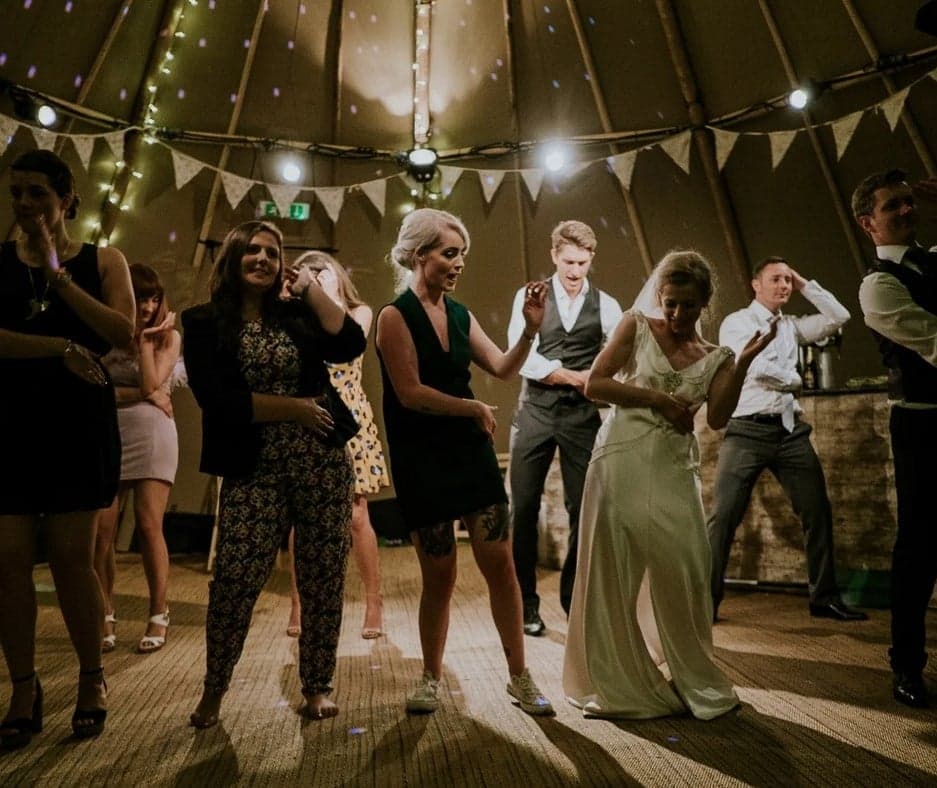
FMK Entertainments - Mark Byrne
QLD

Fine2uned - Chris Rulewski
NSW
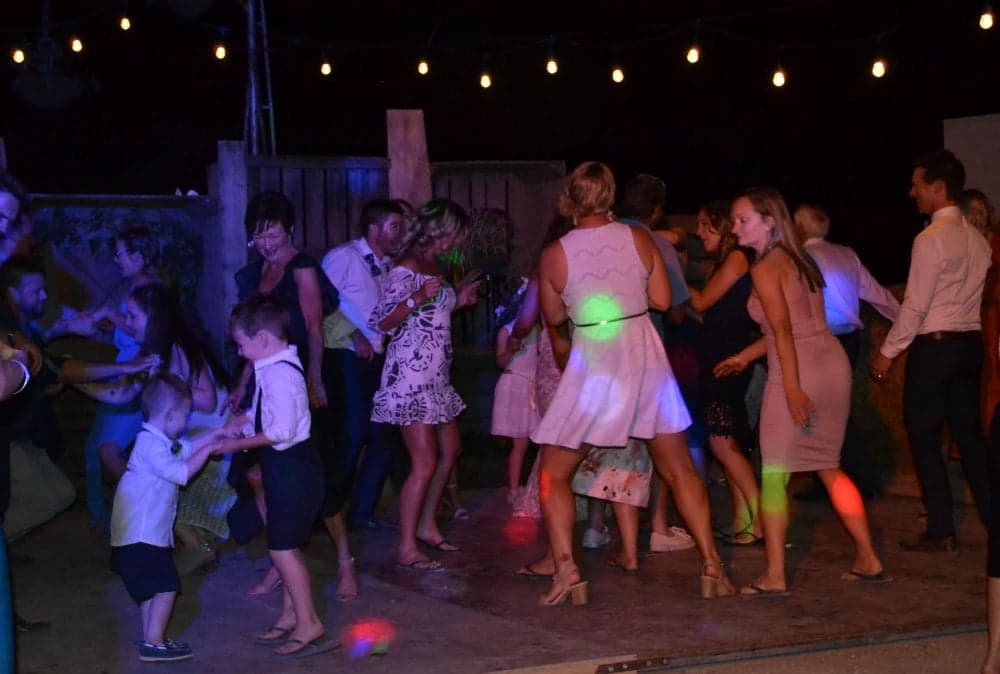
Good Vibrations Mobile DJs
SA
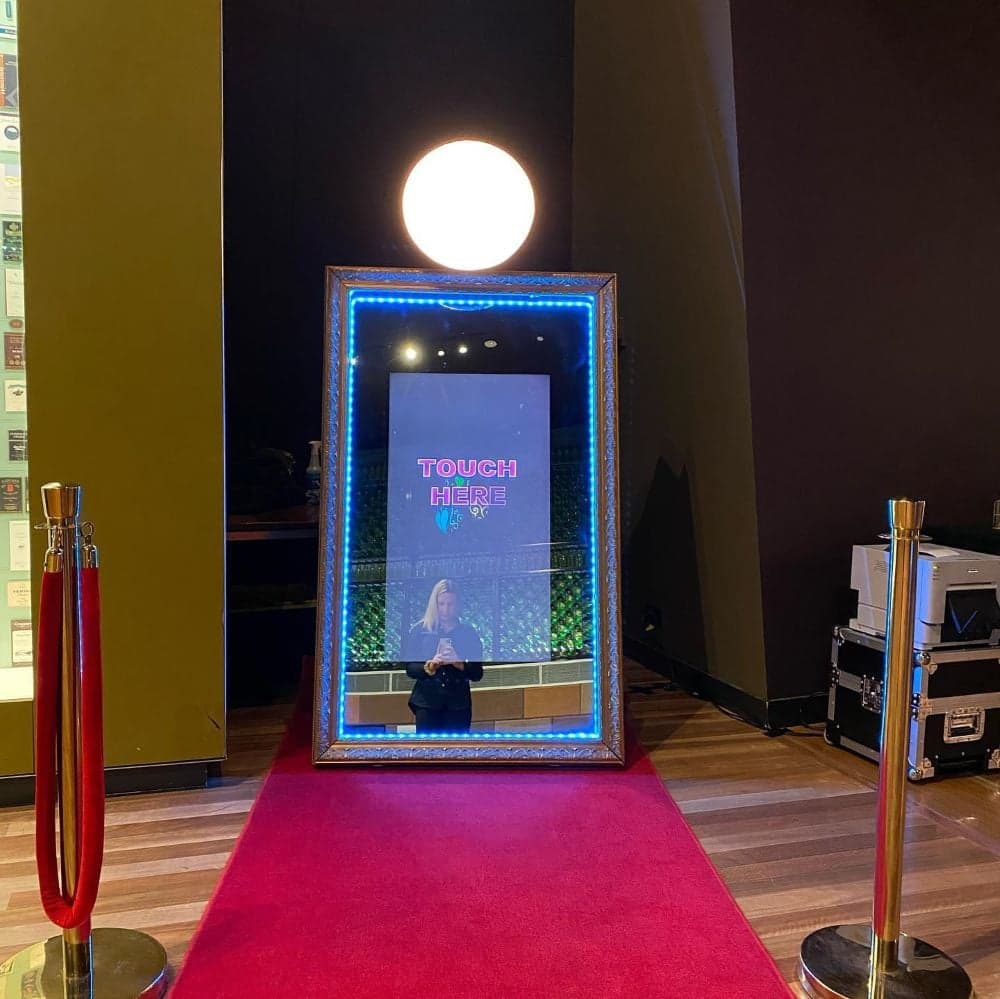
In The Mirror
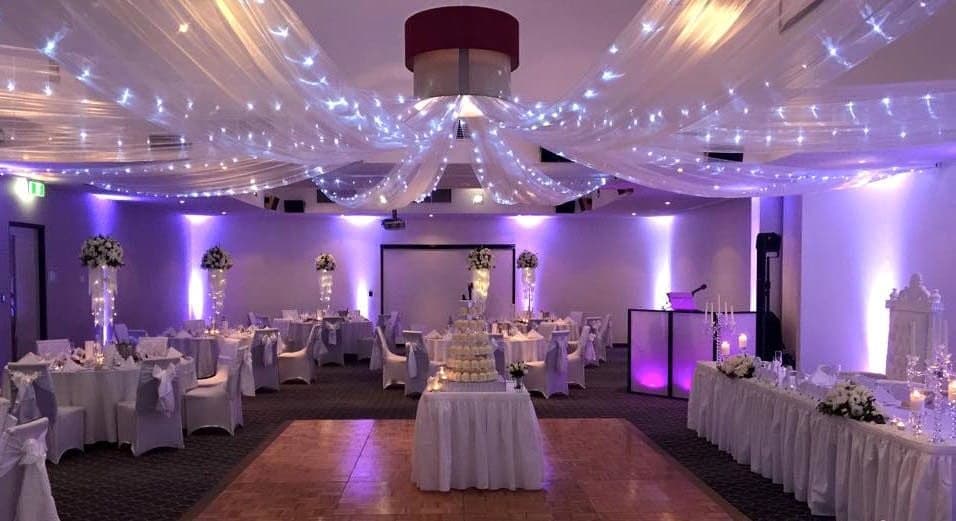
Middleton Events
SA
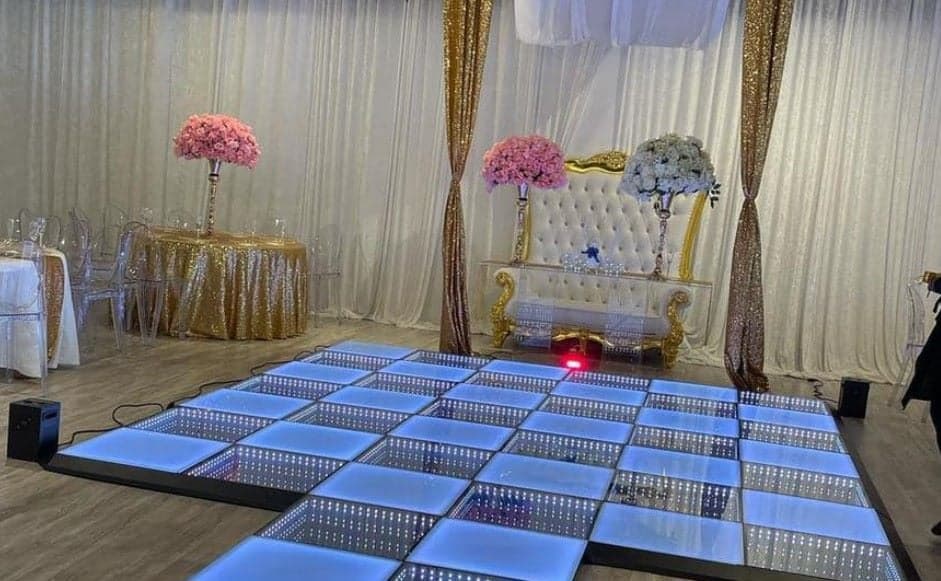
One Click Events
VIC

PONY Adelaide - Male Revue Entertainment
Adelaide, SA
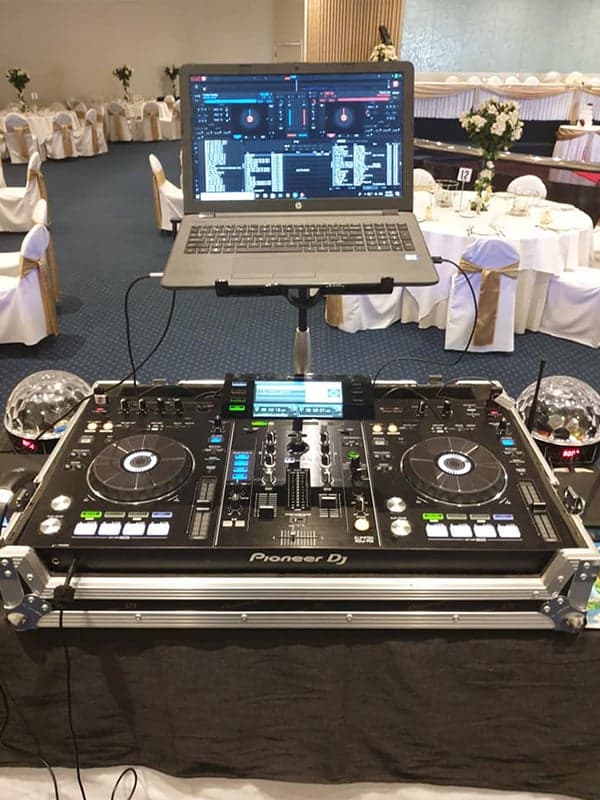
Phaze Entertainment
VIC
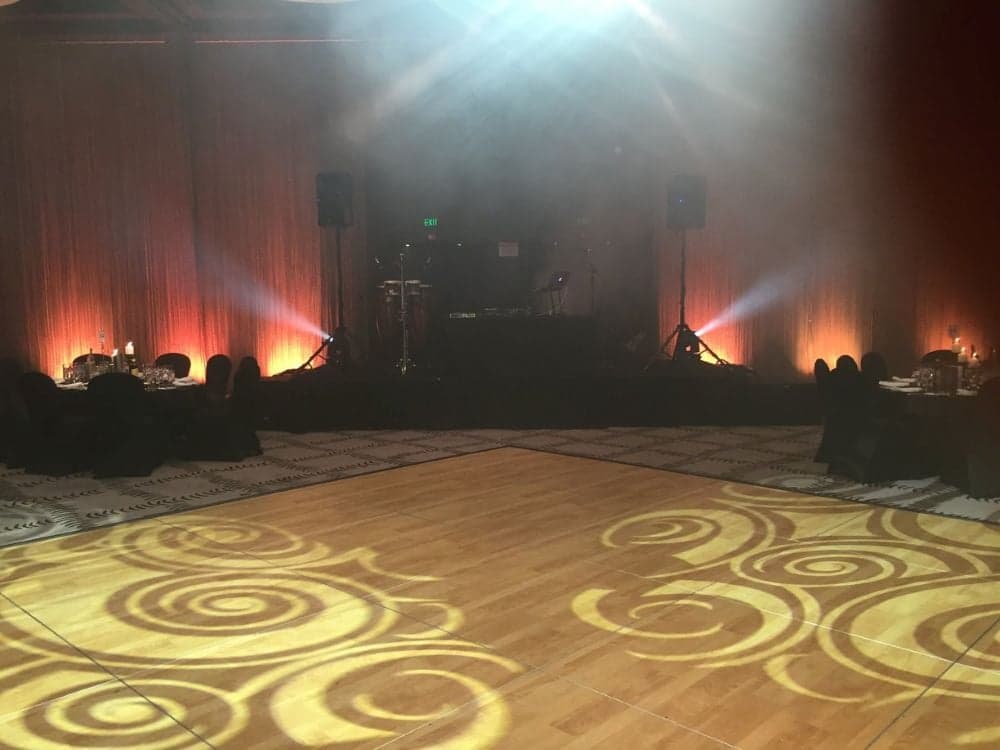
Ritzy Entertainment
SA

Stuart Kemp - Singer & Celebrant
NSW
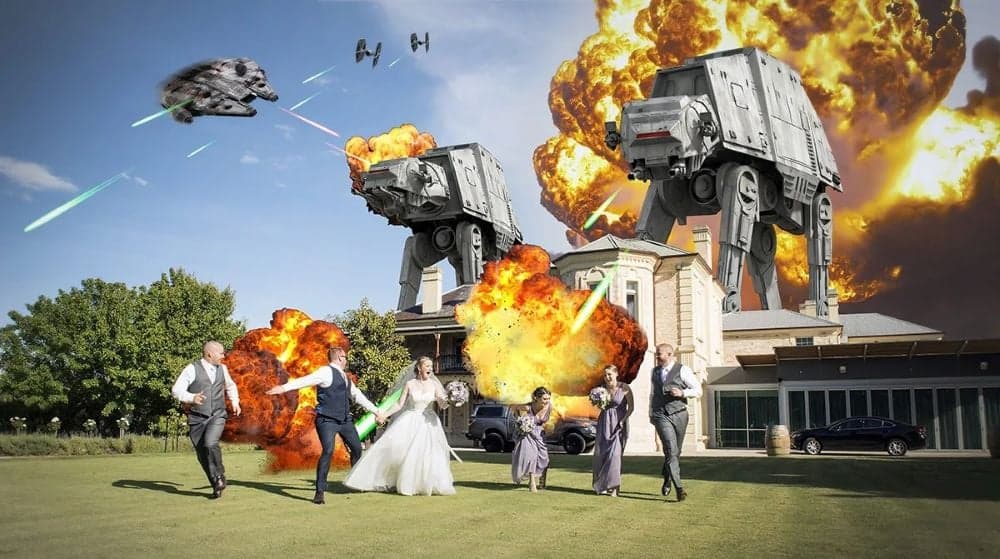
Sven Studios (Photography & Photobooth Hire)
SA
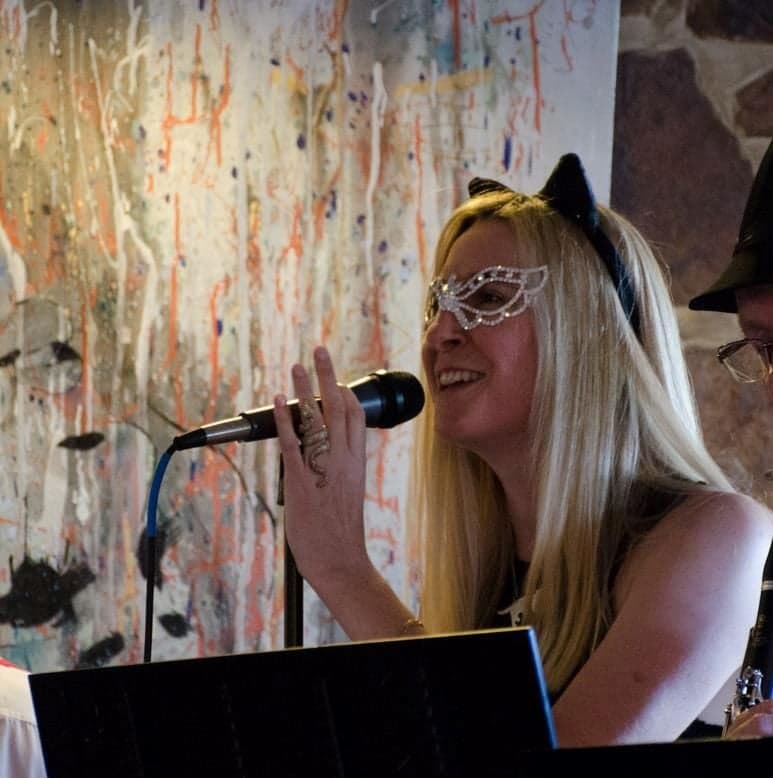
Weezy Listening
Adelaide, SA
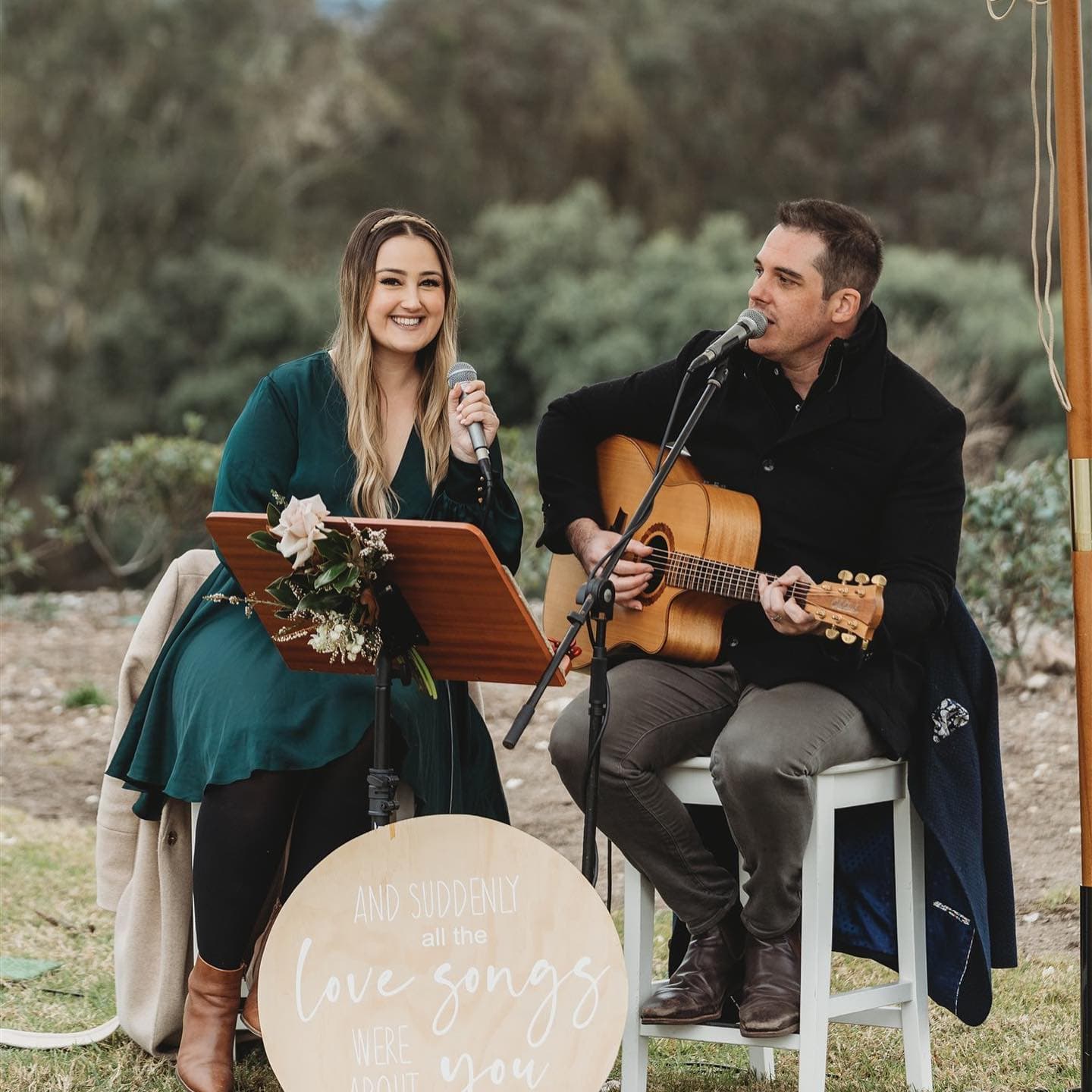
White Clover Music - Duo, DJ & MC
NSW
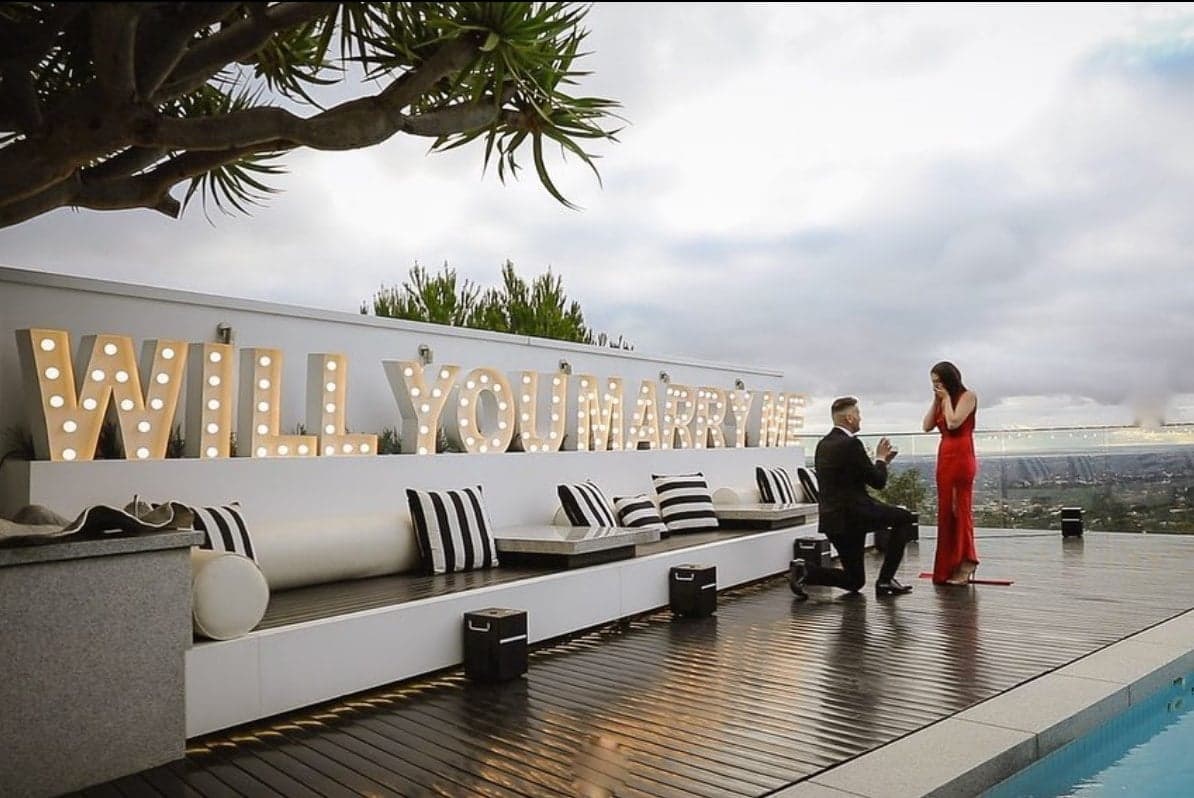
XL LETTERS
Kent Town, SA
What to look for in a wedding entertainment
A great entertainer reads the room and keeps your guests on the dance floor long after the cake is cut. Knowing how to choose a wedding entertainer starts with deciding the experience you want, whether that's a high-energy live band, a versatile DJ, a roaming saxophonist for canapes, or a master of ceremonies who keeps the night flowing. This guide covers service levels, what's typically included, what costs extra, and the red flags to watch for so you can book with confidence.
What to expect and service levels
"Wedding entertainment" covers a wide spread of performers, and understanding the categories helps you compare like with like. At the simpler end sit solo and duo acts, such as an acoustic guitarist for the ceremony, a roaming saxophonist over canapes, or a single DJ who handles music and basic microphone duties for the reception. Mid-range options include three to five-piece cover bands, professional DJ-and-MC packages, and specialist acts like string quartets, magicians, caricaturists, or photo-booth attendants. At the premium end you'll find full show bands of eight or more, headline-style performers, and production-led acts that bring lighting design, staging and a sound engineer.
Many of the most experienced suppliers are agencies or solo operators who can scale a package to suit your venue and guest count. A common structure is ceremony music, ambient acoustic sets during pre-dinner drinks, then a DJ or band to drive the dance floor after the formalities. Some entertainers double as the MC, while others expect you to supply one or pay for the role separately.
Service level is not just about headcount. A polished act will offer a planning consultation, learn your key songs (first dance, parent dances, walk-in tracks), coordinate timings with your venue and photographer, and arrive with backup equipment. Cheaper or hobbyist options may simply turn up and play a stock set list with little tailoring. Be clear about whether you want a performer who blends into the background during dinner or a charismatic frontperson who actively works the crowd, because the brief changes who you should shortlist.
What's usually included
Most reputable wedding entertainers quote a package that bundles the core essentials. Typically you can expect a set number of performance hours (often three to five hours of music across the reception), a professional PA system and microphones suitable for your guest count, and basic dance-floor or stage lighting. A DJ package usually includes the decks, speakers, a wireless microphone for speeches and toasts, and a curated playlist built from your requests and do-not-play list.
Planning support is generally part of a good package. This includes a pre-wedding consultation or questionnaire, learning and rehearsing your nominated special songs where reasonable, and liaising with your venue and other suppliers about access, timings and power. Bump-in and bump-out (setup and pack-down) within the agreed window are normally included, as is public liability insurance, which many venues now require entertainers to hold.
For live bands, the quote should cover the musicians, their instruments and a front-of-house sound setup appropriate to the room. Reputable acts also include the ability to play recorded music through their system during their breaks, so the dance floor never falls silent. Always confirm exactly how many performance hours and how many break periods are built into the price, and whether MC duties and ceremony or canape-set music are part of the package or treated as add-ons.
What's often excluded or costs extra
The headline package rarely covers everything, so read the inclusions closely. Travel and accommodation are common extras, especially for regional, hinterland or destination weddings where the act has to drive a distance or stay overnight. Many performers charge a travel fee beyond a set radius, and you may be asked to cover meals for the crew (a "crew meal" clause is standard with bands).
Extra performance hours are almost always billed at an hourly overtime rate, so if you suspect the party will run late, agree that rate in writing before the day. Add-ons that frequently sit outside the base price include ceremony music, a dedicated MC, additional musicians or a horn section, upgraded or extra lighting, haze and effects, a larger PA for big marquees or outdoor settings, and learning a non-standard song that the act doesn't already perform.
Watch for logistics costs too. Some venues require additional power or a generator for outdoor receptions, and the entertainer may not supply this. Early bump-in (setting up before guests arrive so there's no disruptive soundcheck) sometimes attracts a fee. Photo booths usually charge separately for props, custom print templates, a guest book or digital galleries. Finally, deposits are typically non-refundable, and cancellation or postponement fees can apply, so understand the terms before you pay.
What to watch out for
The biggest red flag is a performer who won't let you see or hear genuine evidence of their work. Insist on recent, unedited live footage from real weddings rather than studio recordings or heavily produced showreels, and be cautious of acts that only share audio. Reviews that mention reliability, song knowledge and reading the crowd are far more telling than generic five-star ratings.
Be wary of vague contracts. A trustworthy entertainer provides a written agreement covering performance times, total hours, break arrangements, the exact line-up or DJ who will attend, equipment, insurance, and a backup plan if a key member falls ill. With agencies in particular, confirm in writing which specific act or DJ you are booking, as some substitute performers at the last minute. No public liability insurance, or reluctance to provide proof, is a serious warning sign given most venues mandate it.
Question suspiciously cheap quotes. Underpriced acts may use inadequate equipment, lack backup gear, or be inexperienced with the unique demands of a wedding timeline. Confirm there is redundancy, such as a spare mixer, speaker or laptop, because a single equipment failure can stop the night. Finally, clarify volume expectations and any venue noise restrictions or curfews early, and make sure the act has the right power and space at your venue. A quick site check or a chat with your venue coordinator avoids a nasty surprise on the day.
Questions to ask your wedding entertainment
- 1Can I see recent, unedited live video from real weddings you've performed at?
- 2Exactly which performers or DJ will attend my wedding, and is that guaranteed in the contract?
- 3How many hours of performance and how many breaks are included, and what's your overtime rate?
- 4Do you cover MC duties, ceremony music and pre-dinner sets, or are those charged separately?
- 5What equipment do you bring, and what backup gear do you have if something fails?
- 6Will you learn our special songs, such as the first dance, and is there a fee to learn songs outside your repertoire?
- 7Do you carry public liability insurance, and can you provide a certificate for our venue?
- 8What are your travel, accommodation and crew-meal fees for our location, and what are your deposit and cancellation terms?
Wedding Entertainment FAQs
- How far in advance should I book a wedding entertainer?
- Aim to book the most in-demand acts, particularly popular bands and DJs, around nine to twelve months ahead, and longer for peak-season Saturdays or regional and destination weddings. Specialist performers and well-reviewed suppliers can be reserved more than a year out. Once you've confirmed your date and venue, securing entertainment early gives you the widest choice; leaving it late often means compromising on your first preference.
- Should I hire a band or a DJ for my wedding?
- Both can deliver a great night, so it comes down to budget, space and the atmosphere you want. A live band brings energy, presence and a memorable spectacle, but costs more, needs more room and plays a defined repertoire. A DJ offers a far broader song range, seamless transitions, easier volume control and a smaller footprint, usually at a lower price. Many couples blend both, using acoustic or band sets early and a DJ to close the dance floor.
- Does the entertainer also act as the MC?
- Sometimes, but never assume it. Some DJs and band frontpeople happily handle MC duties such as announcements, introductions and keeping the timeline on track, while others focus purely on performing and expect you to provide an MC or pay extra for the role. Because the MC sets the pace of your reception, confirm in writing who is responsible and whether it's included in the package before you book.