Wedding Directory
Wedding DJs in Australia
Discover Australia's finest wedding djs. Browse profiles and enquire directly with the professionals who'll bring your wedding day to life.
Browse Wedding DJs by location
New South Wales
Victoria
Queensland
South Australia
Western Australia
Australian Capital Territory
Northern Territory

DJ Michael (Specialising in Arabic, Egyptian, Greek & Italian)
Melbourne, Victoria
As an experienced and fully-trained professional, DJ Michael is dedicated to getting the crowd moving and ensuring your guests have an unforgettable time.
Down South DJS
SA
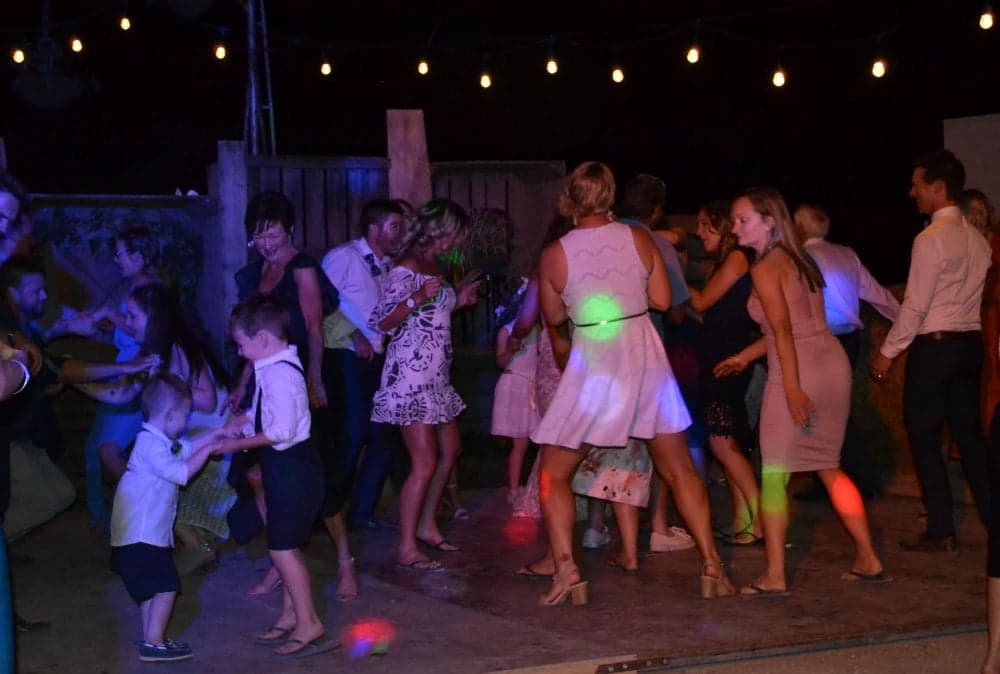
Good Vibrations Mobile DJs
SA
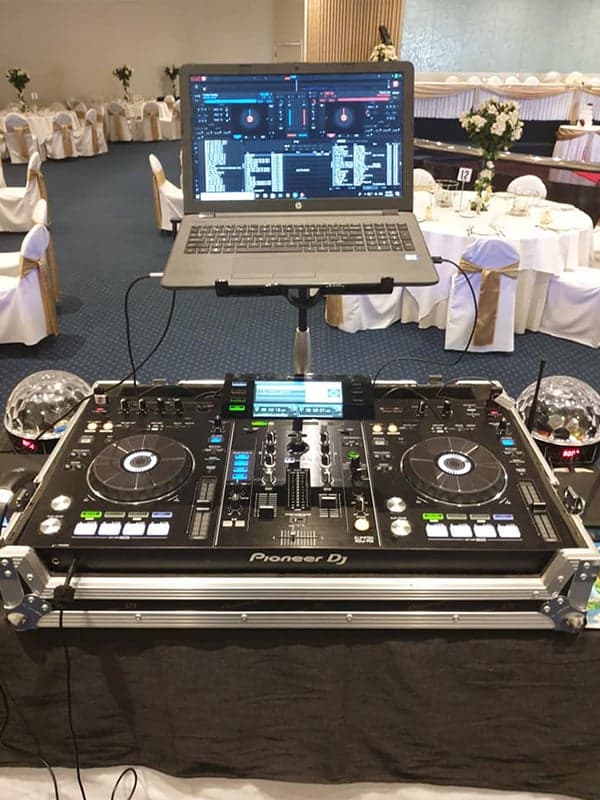
Phaze Entertainment
VIC
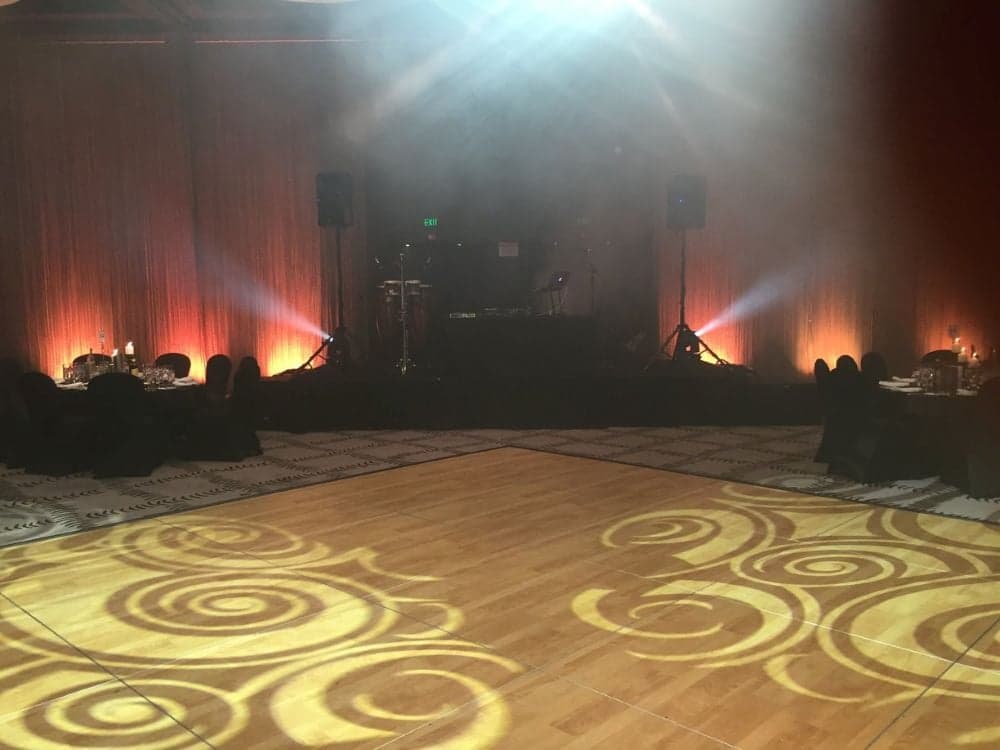
Ritzy Entertainment
SA
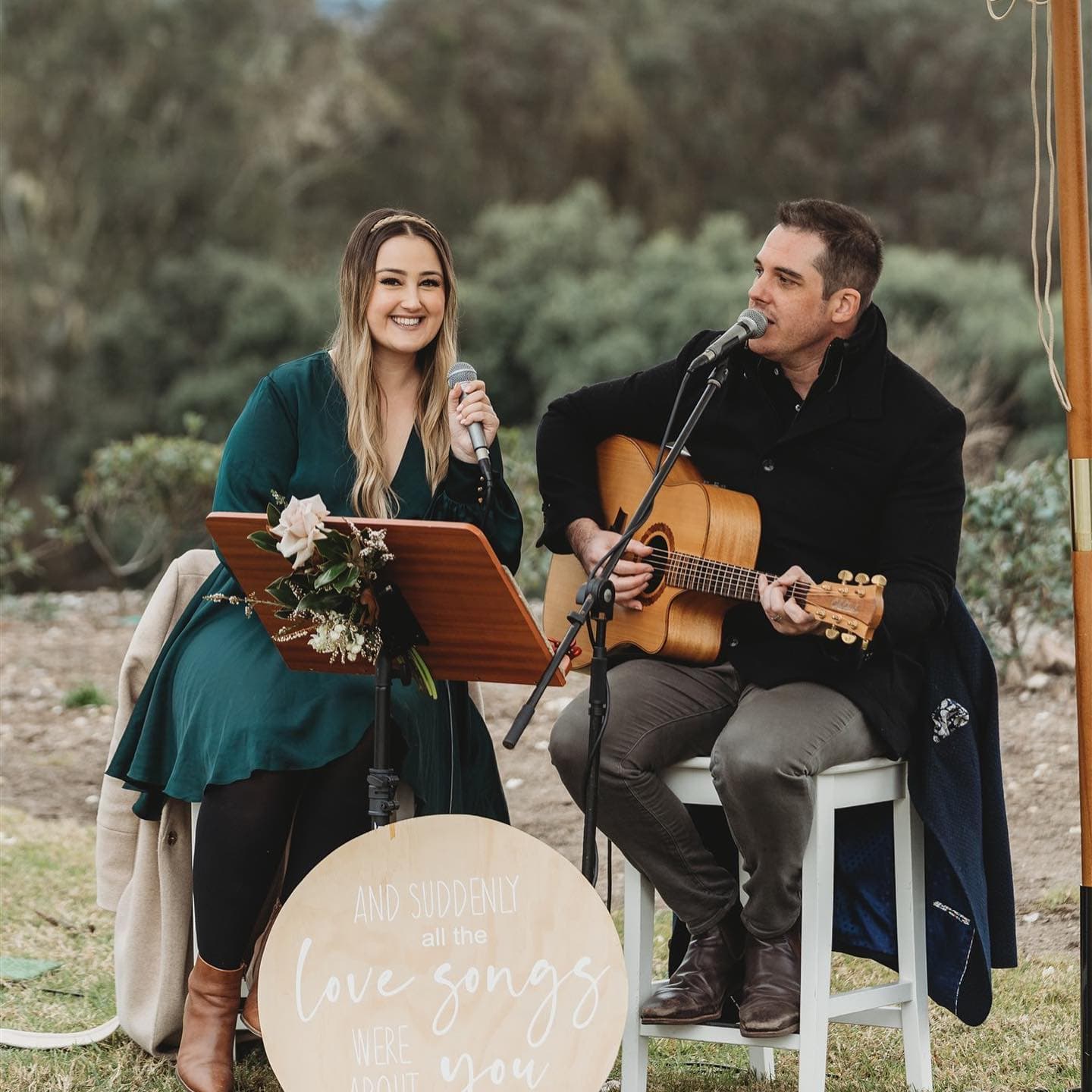
White Clover Music - Duo, DJ & MC
NSW
What to look for in a wedding dj
Your wedding DJ shapes the energy of the whole celebration, reading the room, keeping the dance floor full and steering the run sheet from ceremony to last song. Knowing how to choose a wedding DJ comes down to matching their style, music range and personality to your day, then checking they have the experience and gear to back it up. Use this buyer's guide to compare service levels, understand what's included, and ask the right questions to a wedding DJ before you book with confidence.
What to expect and service levels
Wedding DJs in Australia range from solo owner-operators who play every gig themselves through to multi-op agencies that send one of several DJs from a roster. At the entry level you are usually paying for music and a PA system for the reception only, with a wireless microphone for speeches and basic dance-floor lighting. This suits relaxed receptions and tighter budgets, but you may get a less experienced operator and fewer extras.
Mid-tier packages typically cover both the ceremony and reception, a dedicated MC role to announce the entrance, cake cutting, first dance and speeches, plus better lighting and a planning consultation before the day. This is the most popular level for Australian weddings because the DJ becomes the timekeeper who keeps your run sheet on track and liaises with the venue, photographer and caterer.
Premium service levels add things like a face-to-face or video planning meeting, a custom-curated playlist built from your requests, upgraded sound for larger venues, dance-floor and ambient uplighting, special-effect options such as cold sparklers or dancing-on-cloud dry ice, and sometimes a live musician (a sax player or percussionist) performing alongside the DJ. At this end you are also paying for reliability: backup equipment on site, contingency plans and a polished, low-key presence rather than a cheesy hype style.
Expect most DJs to play a four-to-six hour reception, arrive early to set up and sound-check, and dress appropriately for a formal event. Always clarify whether the person you meet or message is the DJ who will actually perform on your wedding day.
What's usually included
Standard inclusions for a wedding DJ generally cover a professional PA sound system sized to your guest count, at least one wireless microphone for speeches and the ceremony, and a music library spanning the eras and genres your crowd will want. Most packages include the DJ's time for set-up, sound-check, the performance hours quoted, and pack-down afterwards.
MC duties are commonly bundled in at mid-tier and above, meaning the DJ coordinates and announces key moments and works to your run sheet so the night flows. A planning process is usually included too, whether that is an online music-preference form, a phone call or an in-person meeting, where you provide your must-play songs, do-not-play list and first-dance choice.
Basic dance-floor lighting is often part of the package, and reputable DJs carry public liability insurance and provide a written contract confirming dates, times, pricing and cancellation terms. Many also include backup equipment so a single technical fault does not stop the music. Confirm exactly which of these are included in writing, because the word 'package' means different things between suppliers.
What's often excluded or costs extra
Several common items are charged on top of the base fee. Ceremony coverage is frequently a separate add-on if it is at a different location or requires a second speaker set-up, as is pre-dinner or cocktail-hour background music when it sits outside the quoted performance window.
Travel and accommodation are usually extra for regional, rural or destination weddings, so ask how far the standard service area extends and what the per-kilometre or overnight charge is. Overtime is almost always billed at an hourly rate if the party runs past the contracted finish time, and it pays to agree this rate before the day rather than negotiating at midnight.
Upgraded or feature lighting, uplighting in your colours, monograms, haze, cold sparklers, dry-ice clouds and photo-booth add-ons typically cost more, and some effects are restricted by venues or require their own permits. A live musician add-on, a second microphone, or a larger sound system for outdoor or marquee weddings can also lift the price. Finally, watch for booking deposits, credit-card surcharges and public-holiday loadings, and confirm whether GST is included in the figure you have been quoted.
What to watch out for
The biggest red flag is a vague or missing contract. Without written confirmation of the date, hours, total price, deposit, refund and cancellation terms, and the specific DJ performing, you have little protection if something goes wrong. Insist on these in writing before paying a deposit.
Be wary of suppliers who will not confirm who actually shows up. With multi-op agencies, the polished demo or showreel may not reflect the DJ assigned to your wedding, so ask to confirm your named DJ in the contract. Also check for genuine wedding experience rather than only club or pub gigs, because reading a mixed-age wedding crowd and handling formalities is a different skill.
No backup plan is another concern. Ask what happens if the DJ falls ill or equipment fails on the day, and whether they carry spare gear and have a network they can call on. Confirm they hold public liability insurance, as many venues require a certificate of currency before allowing set-up.
Finally, be cautious of unusually cheap quotes, as they can signal underpowered sound for your venue size, no MC service, or an inexperienced operator. Read recent independent reviews, listen to a live or recorded sample if you can, and make sure their music style and personality genuinely match the tone you want for your day.
Questions to ask your wedding dj
- 1Are you the DJ who will personally perform at my wedding, and will that be confirmed in the contract?
- 2How many weddings have you done, and do you have recent reviews or references I can check?
- 3Does your package include MC duties and coordinating the run sheet with my other suppliers?
- 4What sound and lighting equipment do you bring, and is it suitable for my venue and guest numbers?
- 5Do you carry backup equipment and public liability insurance, and what's your plan if you fall ill?
- 6How do you take our must-play, do-not-play and first-dance song requests before the day?
- 7What are your travel, overtime and add-on charges, and is GST included in the quoted price?
- 8What deposit, payment schedule and cancellation or refund terms apply?
Wedding DJs FAQs
- How far in advance should I book a wedding DJ?
- Most couples book their wedding DJ around nine to twelve months out, and popular DJs for peak-season Saturdays can be reserved even earlier. If your date is in spring or autumn or falls on a long weekend, secure your DJ as soon as you have confirmed the venue and date to avoid missing out.
- What's the difference between a wedding DJ and an MC?
- A DJ curates and mixes the music and runs the sound system, while an MC announces the formalities and keeps the timeline moving. Many wedding DJs perform both roles, which is why MC duties are bundled into mid-tier and premium packages. If your DJ does not MC, you will need a separate MC or a confident friend to fill that role.
- Can a wedding DJ play my specific song requests?
- Yes. A good wedding DJ will ask for your must-play songs, your first-dance choice and a do-not-play list during the planning process, then weave your requests into a flow that keeps the dance floor moving. Provide your lists early and discuss how they will handle guest requests on the night so the set still suits the crowd.
- How long does a wedding DJ usually play for?
- A typical reception booking runs four to six hours, covering background music through to the last dance, with set-up and sound-check beforehand. If you want ceremony or cocktail-hour coverage as well, that is usually added on. Agree the finish time and the overtime rate in advance so the night can run on smoothly if guests are still dancing.