Wedding Directory
Wedding Suits in Australia
Discover Australia's finest wedding suits. Browse profiles and enquire directly with the professionals who'll bring your wedding day to life.
Browse Wedding Suits by location
South Australia
What to look for in a wedding suit
Knowing how to choose a wedding suit supplier comes down to fit, fabric and timing. Whether you're after hire, off-the-rack or made-to-measure, the right supplier coordinates the groom, groomsmen and wider party so everyone looks sharp and feels comfortable on the day. In Australia you'll weigh tailoring quality, alteration policies, lead times and how the team handles interstate or last-minute fittings. This guide explains what to expect, what's included, where extra costs creep in, and the questions to ask a wedding suit supplier before you commit.
What to expect and service levels
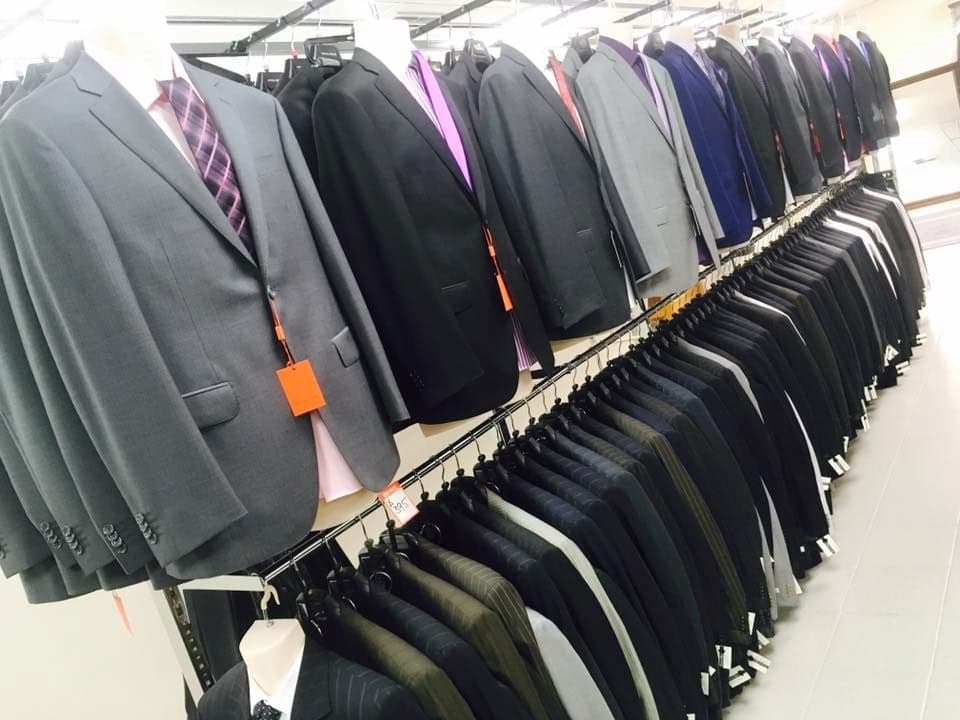
Wedding suit suppliers in Australia generally fall into three tiers, and understanding them is the first step in choosing well. Suit hire is the most budget-friendly and convenient option, ideal when you want a coordinated look for a large groomsmen party without owning the garments afterwards. You select a style, get measured in-store or via a guided online sizing process, and collect or have the suits delivered close to the wedding.
Off-the-rack purchase sits in the middle. You buy a ready-made suit in standard sizing and the supplier tailors it to your body. This gives you a garment to keep, often at a similar price to higher-end hire, and suits grooms who want something they'll wear again.
Made-to-measure and bespoke tailoring is the premium tier. The suit is cut to your measurements (made-to-measure) or built from scratch with a unique pattern (true bespoke), with multiple fittings, fabric selection and personalised details such as lapel style, lining and monogramming. Expect several appointments over weeks or months.
Service levels vary widely. Better suppliers offer a consultation to discuss the wedding's formality, colour palette and the bride's gown, then act as a single point of contact who coordinates the whole party — including managing measurements for interstate or overseas groomsmen. Ask whether you'll deal with the same consultant throughout, how fittings are booked, and what their turnaround is for adjustments. A supplier who rushes the measuring stage or can't clearly explain their fitting and alteration process is a warning sign, especially when you're coordinating multiple people to one deadline.
What's usually included
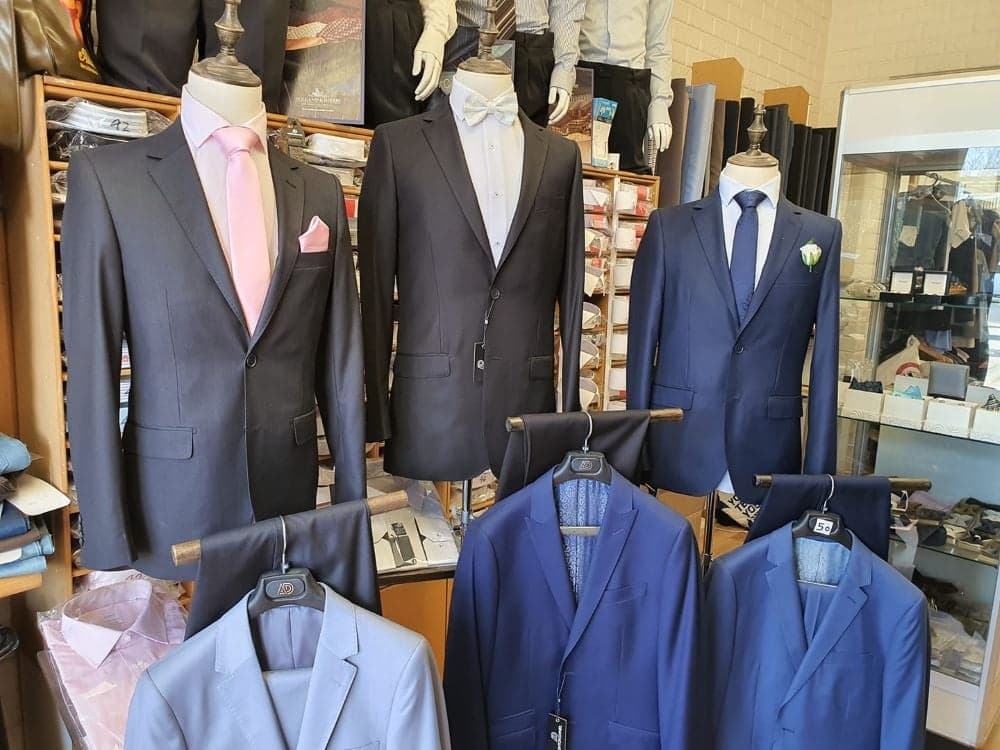
Most reputable wedding suit suppliers include an initial consultation and professional measuring as part of the service. For hire, the package typically covers the jacket, trousers and often a shirt, with the option to add a waistcoat, tie or bow tie, pocket square and sometimes shoes or cufflinks. Cleaning after the wedding is usually built into hire pricing, so you return the garments as-is.
For purchases, expect the base suit plus a set of standard alterations — hemming trousers, taking in or letting out the jacket, adjusting sleeve length — to be included or bundled at a fixed price. Made-to-measure and bespoke services include the design consultation, fabric and detailing choices, and a series of fittings to refine the cut before the final garment is handed over.
Group coordination is a key inclusion to look for. A good supplier will keep all the groomsmen's orders linked to your wedding date, match fabrics and colours across the party, and flag any sizing concerns early. Many also offer a remote measuring kit or partner with stores nationally so out-of-town groomsmen can be fitted locally and have their details synced to your order.
Timing guidance should come as standard. The supplier ought to tell you when to start, when final fittings happen, and the collection or delivery window relative to the wedding. Clear written confirmation of what's in your package — garments, accessories, alterations and cleaning — protects you from assumptions later.
What's often excluded or costs extra
Accessories are the most common add-on. Shoes, belts, cufflinks, tie bars, braces and premium pocket squares are frequently charged separately, even when the suit itself looks like a complete package. Confirm exactly which accessories are bundled and which you'll pay extra for, particularly when outfitting several groomsmen.
Alterations beyond the standard set usually attract additional fees. Significant reshaping, tapering trousers, slimming a jacket or accommodating a major weight change between fittings can all cost more — and last-minute alterations close to the wedding are sometimes charged at a premium or simply can't be guaranteed.
For hire, watch for security deposits or bonds, late-return fees, and damage or loss charges if a garment comes back stained, torn or missing pieces. Express delivery, interstate shipping and rush orders typically carry surcharges, as does any expedited turnaround when you've started late.
Upgrades to premium fabrics — pure wool, higher-grade Italian cloth, linen blends for warm-weather weddings — usually lift the price above the entry tier. Custom details like contrast linings, monogramming, peak lapels or a second pair of trousers are extras in made-to-measure. Page boys and junior groomsmen may need separate sourcing, as not every supplier carries children's sizing. Finally, ask about the cost of replacing a poorly fitting garment if measurements were taken remotely and the suit arrives wrong.
What to watch out for
The biggest red flag is a supplier who can't commit to clear timelines. With weddings, the suits must be perfect on one fixed date, so vague answers about fitting schedules, final adjustment windows or collection dates should give you pause. Always get the key dates in writing.
Be cautious with online-only operators offering very cheap suits with no fitting support. Sizing charts vary, fabrics can disappoint in person, and if the garment arrives ill-fitting you may have little recourse and no time to fix it. If you go this route, order a sample or buy well ahead so there's room to exchange.
For group orders, inconsistent stock is a genuine risk — a supplier might run short of a fabric or colour partway through, leaving groomsmen mismatched. Confirm they can guarantee the same cloth and shade across the whole party for your date. Similarly, check their contingency plan if a hired garment is damaged or unavailable at the last minute; a serious supplier holds backups or can source a replacement quickly.
Read the hire contract closely for deposit terms, damage liability and what counts as fair wear. Watch for unclear refund or cancellation policies, especially given how often wedding dates shift. Vague written quotes that don't itemise garments, accessories and alterations make it easy for the final bill to balloon. Finally, be wary of any supplier who pressures you to book on the spot or discourages a proper fitting — quality outfitting takes time, and rushing it is the most reliable way to end up with suits that look off in the photos you'll keep forever.
Questions to ask your wedding suit
- 1Do you offer hire, off-the-rack purchase and made-to-measure, and which do you recommend for our wedding's formality and budget?
- 2How many fittings are included, and what's your policy and cost for alterations close to the wedding date?
- 3Exactly which garments and accessories are in the quoted price, and which items cost extra?
- 4How do you coordinate and match suits across all the groomsmen, including any who live interstate or overseas?
- 5What are the key dates — when should we start, when is the final fitting, and when do we collect or take delivery?
- 6For hire, what deposit, damage, loss and late-return charges apply, and is post-wedding cleaning included?
- 7What happens if a suit arrives ill-fitting, is damaged, or you run short of the chosen fabric before our date?
- 8What is your cancellation and refund policy if our wedding date changes?
Wedding Suits FAQs
- How far in advance should we organise wedding suits in Australia?
- As a rule of thumb, start hire or off-the-rack arrangements around three months out, and allow longer for made-to-measure or bespoke, which can need four to six months across multiple fittings. Starting early leaves room for final adjustments, coordinates interstate groomsmen comfortably, and avoids rush surcharges. Confirm the supplier's specific timeline at your first appointment.
- Is it better to hire or buy a wedding suit?
- It depends on budget and how much you'll wear it again. Hire is convenient and cost-effective for coordinating a large party and skips the alteration commitment. Buying — off-the-rack or made-to-measure — gives you a tailored suit to keep and can be similar in price to premium hire. Many couples mix approaches: the groom buys while groomsmen hire a matching style.
- How do we coordinate suits for groomsmen who live interstate?
- Most established suppliers handle this routinely. They either send a remote measuring kit with instructions, partner with stores in other cities so groomsmen can be fitted locally, or accept measurements from a local tailor. The details sync to your wedding order so fabric and colour stay consistent. Ask how they manage remote fittings and what happens if a remotely measured suit needs adjusting.