Wedding Directory
Wedding Dresses in Australia
Discover Australia's finest wedding dresses. Browse profiles and enquire directly with the professionals who'll bring your wedding day to life.
Browse Wedding Dresses by location
South Australia
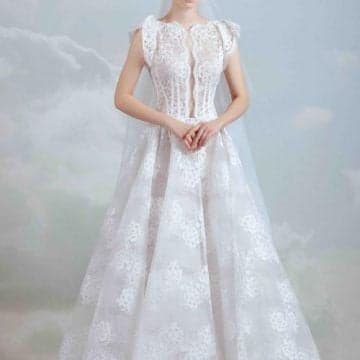
What to look for in a wedding dress
Your wedding dress is one of the most personal decisions you'll make, so knowing how to choose a wedding dress designer matters as much as the gown itself. Whether you're drawn to a made-to-order label, a couture atelier or a boutique stocking ready-to-wear, the right designer balances your vision, body, budget and timeline. This guide explains what Australian designers actually offer, what's included versus charged extra, and the questions to ask a wedding dress designer so you book with confidence and avoid costly surprises.
What to expect and service levels
Australian wedding dress designers operate across a broad spectrum, and understanding where a designer sits helps you match them to your needs and budget. At the most accessible end are boutiques and labels offering ready-to-wear or made-to-order gowns: you choose from an existing collection, the dress is cut to your size, and standard alterations refine the fit. This suits couples who love a designer's signature aesthetic and want a more predictable process and price.
In the middle sit semi-custom and made-to-measure designers. Here you start from an existing design but personalise elements such as neckline, sleeves, fabric, train length or beading. You'll usually have two to four fittings and the gown is constructed to your measurements rather than a standard size. This is the most popular path for couples who want individuality without the cost and lead time of full couture.
At the premium end is bespoke couture, where a designer creates a one-off gown from scratch around your ideas, body and venue. Expect an in-depth consultation, sketches or a toile (calico mock-up), hand-finishing, premium fabrics and multiple fittings over many months. Service is highly personal and the maker is often the person you meet.
Lead times vary significantly. Made-to-order gowns commonly need around six to nine months, while couture often requires nine to twelve months or longer once consultations, sourcing and fittings are accounted for. Many designers offer rush services for a premium, but availability is never guaranteed during peak season. Booking early protects both your timeline and your choice of designer, particularly for spring and autumn weddings when calendars fill fast.
What's usually included
Most designers begin with an initial consultation, sometimes complimentary and sometimes credited toward your gown, where you discuss style, budget, your wedding date and venue, and try samples. From there, the quoted price for a made-to-order or made-to-measure gown typically includes the design and pattern work, the chosen fabrics and trims specified at the outset, construction to your measurements, and a set number of fittings, often two to three.
A standard inclusion is the core gown as designed, finished and pressed ready for collection or, with some designers, a final steam before pick-up. Couture packages usually include the design development, a toile or mock-up, premium fabric sourcing, hand-finishing and a more generous fitting schedule. Many designers also provide guidance on undergarments, shapewear and the right bra or cups sewn into the gown, plus advice on how to bustle a train for the reception.
Some designers include simple personalisation in the base price, such as adjusting a neckline or strap, or choosing between a few standard fabric options. It's also common for a designer to offer styling advice on veils, accessories and shoes during fittings, even if those items are sold separately. Always confirm in writing exactly what your quote covers, how many fittings are included, and at what stage the design is locked, because assumptions here are where most disputes begin.
What's often excluded or costs extra
Plenty of items couples assume are included are frequently quoted separately, so read the inclusions carefully. Alterations are the most common extra. While fittings to construct a made-to-measure gown are usually included, post-construction adjustments, hemming, or changes you request after the design is locked can attract additional fees, especially if your size or shape changes during the engagement.
Veils, headpieces, belts, capes, overskirts, detachable sleeves and other accessories are usually priced on top of the gown. Premium or imported fabrics, hand-beading, lace appliqué, embroidery and significant design changes beyond the base specification typically add cost. If you fall pregnant, lose or gain substantial weight, or change your mind on a major detail, expect a variation to the quote.
Other extras to budget for include rush or express fees, additional fittings beyond the included number, postage or interstate shipping if your designer isn't local, and a deposit to secure your booking that may be non-refundable. Cleaning, steaming on the wedding day, professional pressing, and post-wedding preservation or boxing are generally separate services. Some designers charge a toile fee for couture, or a sampling charge if you want a custom fabric trialled. Travel for fittings, if you live regionally, is your cost to absorb. Clarify the full payment schedule, what each milestone covers, and the cancellation and refund terms before you sign, so the final invoice holds no surprises.
What to watch out for
A few genuine red flags should make you pause. Be cautious of any designer who can't show you finished work, real client photos or reviews, or who pressures you to commit on the first visit with a limited-time discount. A reputable designer is happy for you to take time, and to put inclusions, fittings, timelines and prices in writing.
Watch for vague contracts. If the quote doesn't specify the fabrics, the number of fittings, the completion date, the deposit and refund policy, and what counts as a chargeable variation, you're exposed. Ask who actually makes your gown; some shopfronts outsource construction overseas, which isn't inherently wrong but should be disclosed, as it affects lead times, alteration options and recourse if something is off.
Be wary of unrealistic timelines. A designer promising a complex couture gown in a few weeks during peak season may be overcommitting. Equally, be cautious of prices that seem far below the market for hand-construction, as quality fabric and labour cost what they cost. Confirm the designer has a clear policy for delays, illness or unforeseen issues, and ideally a backup plan, because your dress arrives only once.
Finally, protect yourself practically. Pay deposits via traceable methods, keep all correspondence, photograph each fitting, and never leave final collection to the last week before the wedding. Build in a buffer for a final adjustment. If a designer resists answering reasonable questions to ask a wedding dress designer about process and guarantees, treat that reluctance as information in itself.
Questions to ask your wedding dress
- 1Is this gown made-to-measure, semi-custom or fully bespoke, and how many fittings are included?
- 2What is your realistic lead time for my wedding date, and what happens if there are delays?
- 3Exactly what does my quote include, and which items (alterations, veil, accessories, premium fabric) cost extra?
- 4Who actually designs and constructs the gown, and is any work outsourced or made overseas?
- 5What is your deposit, payment schedule, and cancellation or refund policy if my plans change?
- 6How are changes handled if my size, shape or design preferences change before the wedding?
- 7Can I see finished gowns, recent client photos or reviews from couples you've worked with?
- 8Do you provide final steaming, a bustle for the train, and advice on undergarments and shapewear?
Wedding Dresses FAQs
- How far in advance should I book a wedding dress designer in Australia?
- As a guide, made-to-order gowns usually need around six to nine months, and bespoke couture often nine to twelve months or more once consultations, fabric sourcing and fittings are factored in. Booking early is wise during peak spring and autumn seasons when calendars fill quickly, and it protects both your timeline and your choice of designer. If you're closer to your date, ask about rush services, though availability and surcharges apply.
- What's the difference between made-to-measure and bespoke couture?
- Made-to-measure starts from an existing design that's constructed to your measurements, often with some personalisation of neckline, sleeves or fabric. Bespoke couture is a one-off gown created from scratch around your ideas, body and venue, typically involving sketches, a toile mock-up, premium fabrics, hand-finishing and more fittings. Couture offers the most individuality and the most personal service, but it requires a longer lead time and a higher budget.
- Are alterations included in the price of a custom wedding dress?
- It depends on the designer. Fittings to construct a made-to-measure or couture gown are usually included, but adjustments requested after the design is locked, or changes needed because your size or shape changed, often attract extra fees. Accessories, premium fabrics and design changes beyond the base specification are also commonly charged separately. Always confirm in writing how many fittings are included and what counts as a chargeable variation before you commit.