
Wedding Directory
Wedding Cars in Australia
Discover Australia's finest wedding cars. Browse profiles and enquire directly with the professionals who'll bring your wedding day to life.
Browse Wedding Cars by location
New South Wales
Victoria
Queensland
South Australia
Western Australia
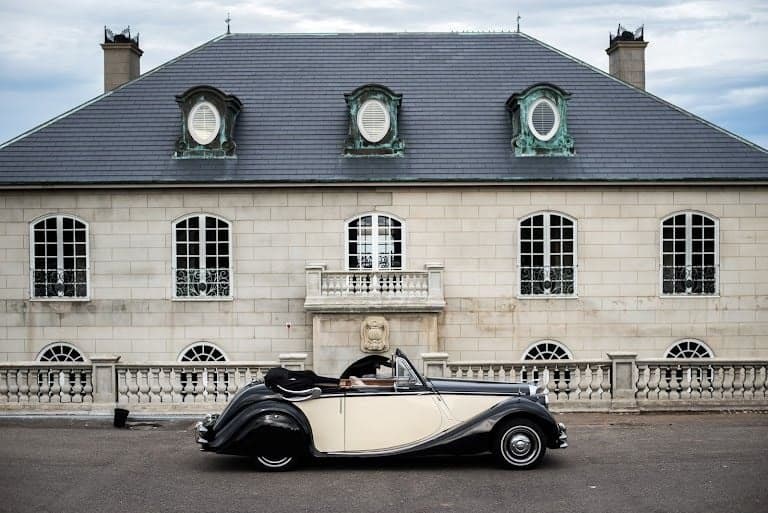
Adelaide Wedding Cars
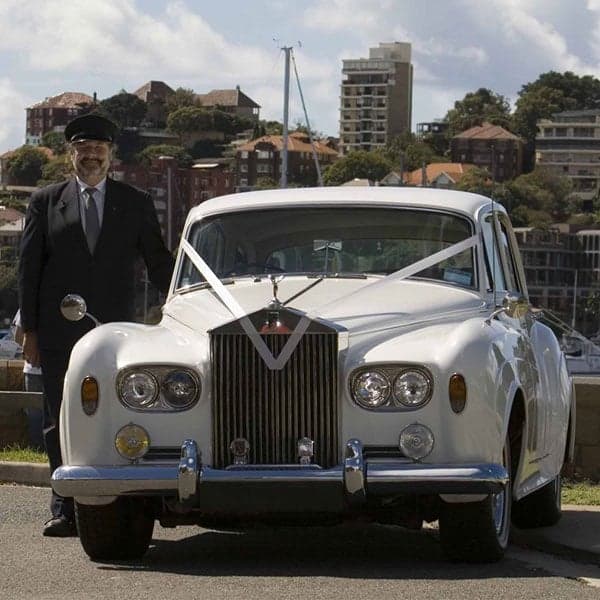
Admire Limousines
NSW
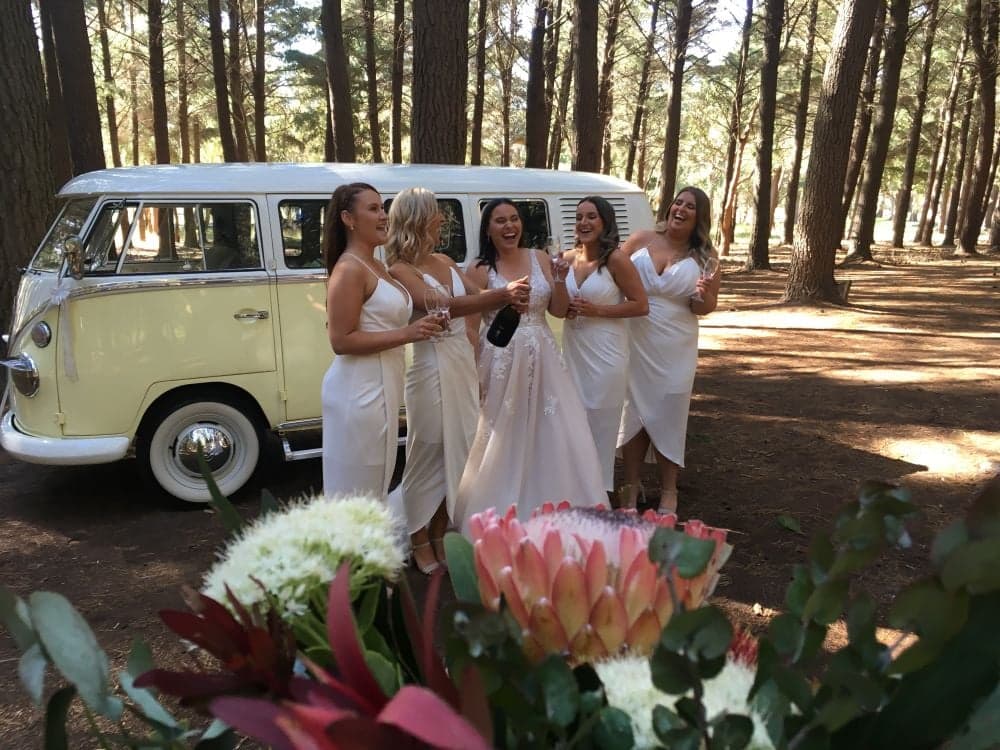
Kombis4U
SA
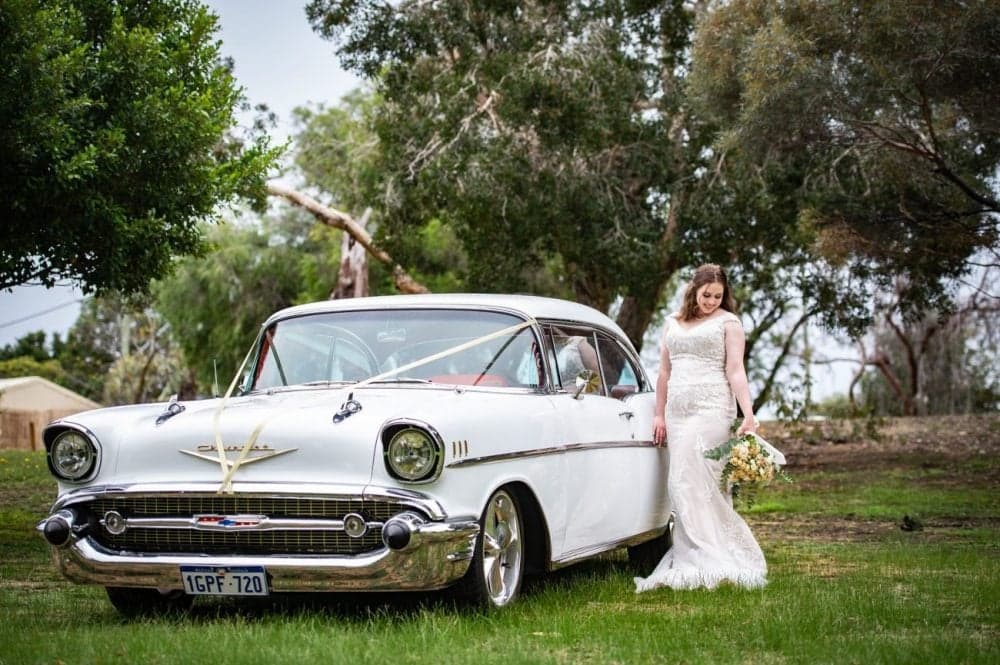
La Belle Wedding Cars
WA
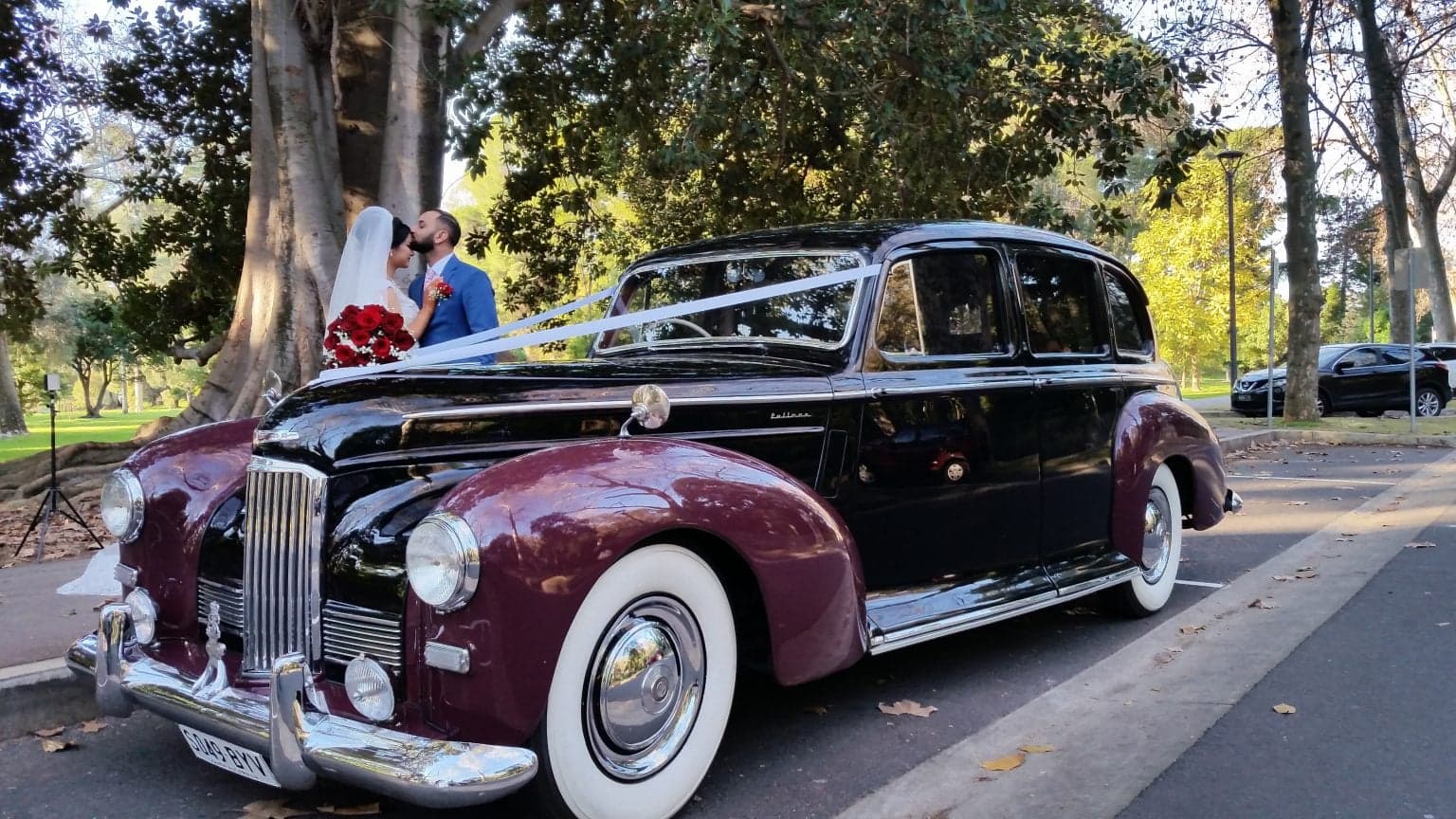
Macphersons Chauffeured Cars
SA
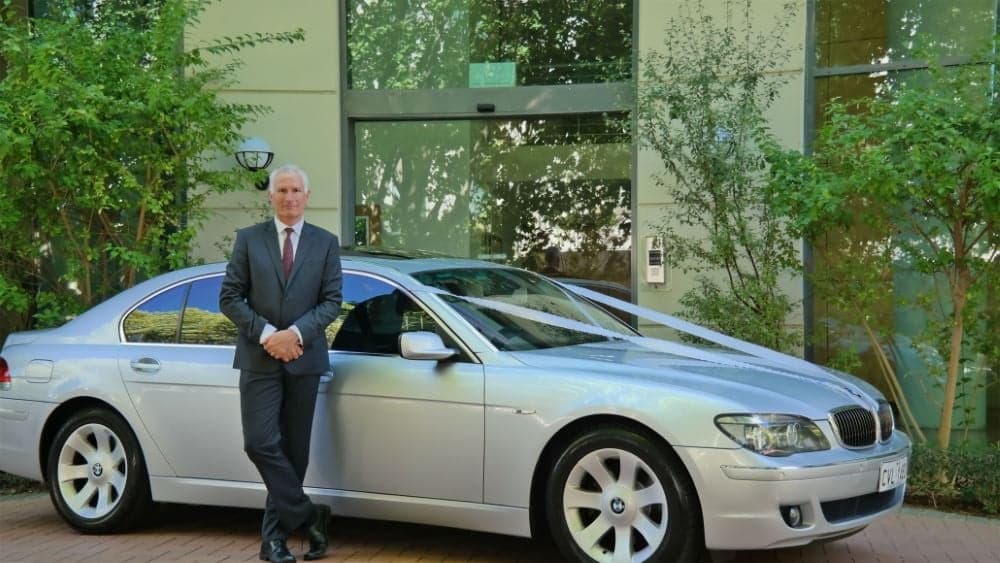
Michaels Chauffeur Services
WA
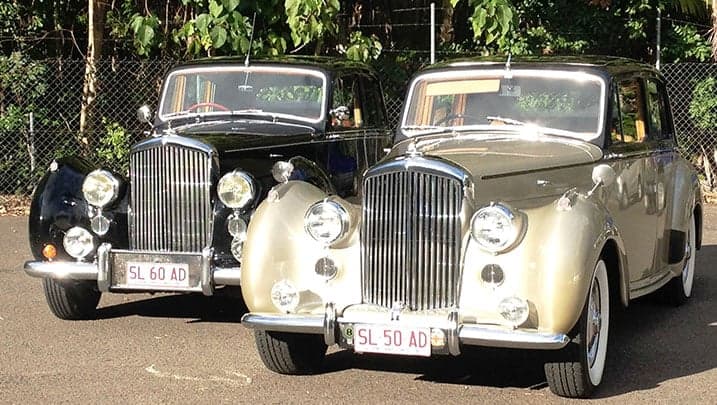
Our Wedding Cars
QLD
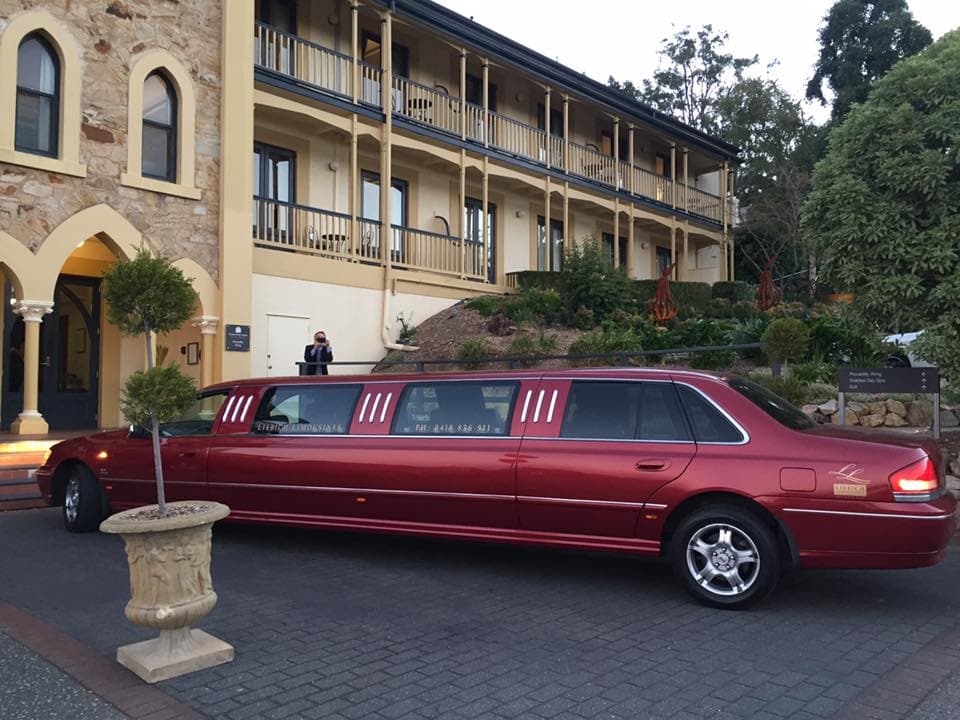
Red Limos Adelaide
Saint Morris, SA
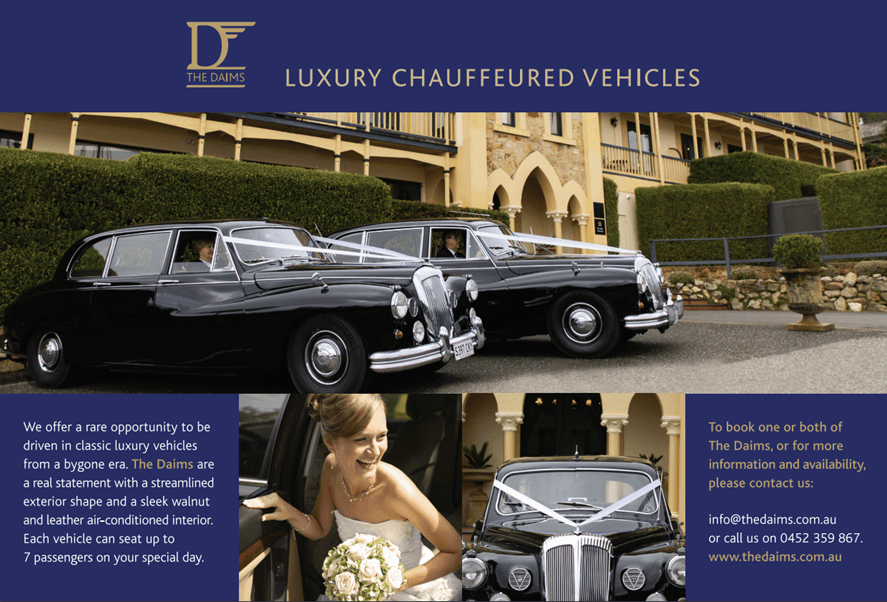
The Daims
Glenunga, South Australia
Royal Daimler Luxury Chauffeured Wedding Transport
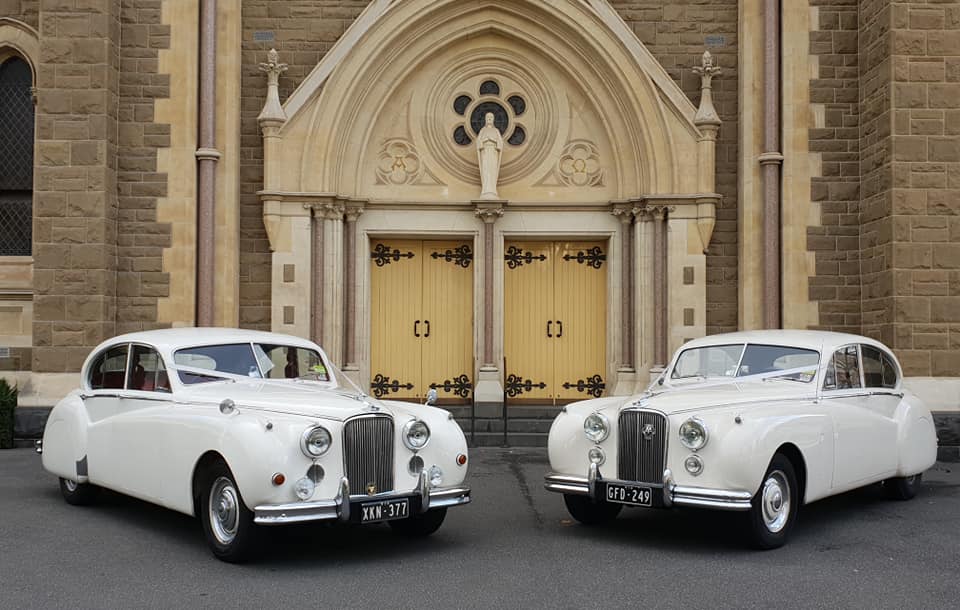
White Classic Jags
VIC
What to look for in a wedding car
Knowing how to choose a wedding car supplier comes down to matching the right vehicle, driver and timing to your day, not just picking a pretty car in a photo. The best suppliers run reliable, well-presented vehicles with experienced chauffeurs who understand wedding logistics across Australian roads and venues. Before you book, weigh up vehicle condition, number of cars, hours of hire, travel distances and backup arrangements. This guide explains what to expect, what is usually included, where extra costs creep in, and the red flags worth watching.
What to expect and service levels
Wedding car suppliers in Australia range from owner-operators with a single classic or luxury vehicle through to larger fleets offering everything from vintage Rolls-Royces and Jaguars to modern Mercedes, stretch limousines, Kombis and even utes or muscle cars. The service level you receive depends heavily on which end of that spectrum you choose, so it pays to be clear on what you actually need.
Most couples hire transport for two key movements: getting the wedding party and family to the ceremony, and transporting the couple (and sometimes guests) between the ceremony, photo locations and reception. A standard booking usually covers a set number of hours with a uniformed chauffeur who arrives early, drives smoothly, opens doors, and helps with dresses and logistics on the day. Good suppliers treat the chauffeur as part of the experience, not just a driver.
Expect a professional supplier to confirm timings, run sheets and pickup addresses in writing well before the wedding, and to liaise with your planner or venue if needed. Many will offer a viewing so you can inspect the actual vehicle rather than a stock image, which is one of the most useful things you can do. Service levels vary widely, so the questions to ask a wedding car supplier should focus on reliability, presentation and contingency planning, not just the look of the car.
Lead times matter. Popular vehicles, especially vintage and limited-fleet cars, book out 9 to 18 months ahead for peak Saturdays in spring and autumn. If you have your heart set on a specific car, enquire early and confirm availability for your exact date before falling in love with the photos.
What's usually included
A typical wedding car package includes the vehicle, a professional chauffeur, fuel, and a set hire period measured either in hours or by the number of journeys (for example, ceremony transfer plus reception transfer). Many suppliers dress the car for you with ribbons, bows or a tulle bridal sash in your chosen colour, and this is usually included rather than charged separately.
You can generally expect the car to arrive freshly detailed and presented, with the chauffeur dressed appropriately, often in a suit or uniform. Complimentary touches frequently included are bottled water, an umbrella for wet-weather arrivals, and sometimes a chilled bottle of sparkling wine or champagne with glasses for the couple to enjoy between the ceremony and reception. Air conditioning, smooth ride comfort and help with doors and dresses come as standard with reputable operators.
Most suppliers include a degree of route planning and will scout or confirm pickup and drop-off points, particularly for photo stops. Reasonable waiting time at the ceremony and during photos is normally built into the quoted hours. Many packages also include basic public liability insurance and an accredited, licensed driver, which is essential and worth confirming in writing.
Where multiple cars are booked together, suppliers often include coordinated arrival timing so the bridal party and couple are sequenced correctly. Always ask exactly what the quoted price covers, because inclusions differ markedly between operators and a low headline rate sometimes reflects a stripped-back package.
What's often excluded or costs extra
The most common extra is additional time. Weddings frequently run late, and once your booked hours are used, suppliers usually charge an overtime rate, often billed per half-hour or hour. Build in a buffer so you are not paying premium last-minute rates while your photographer chases light.
Travel and distance can attract extra fees. Suppliers commonly include travel within a set radius of their base, then add a per-kilometre charge or a travel/repositioning fee for venues, regional locations or multiple far-apart sites. If your ceremony, photos and reception are spread across a city or into the countryside, confirm how that mileage is calculated.
Extra vehicles, larger groups, peak-date surcharges (Saturdays, public holidays, Valentine's Day, New Year's Eve) and early-morning or late-night finishes can all add to the cost. Some operators apply a security deposit or bond, and may charge cleaning fees if the car is left in a poor state. Premium add-ons such as red-carpet service, additional decorations, specific colour ribbon, or a second car for guests are often quoted separately.
Gratuities for the chauffeur are not usually included and are at your discretion. Cancellation and date-change fees vary considerably, so read the terms. Watch for GST being added on top of an advertised price, and for tolls or parking at venues being passed on. Getting an itemised, all-inclusive written quote is the simplest way to avoid surprises.
What to watch out for
The biggest red flag is a supplier who will not let you see the actual car in person or provide recent, un-retouched photos. Online images can be flattering or outdated, and older classic vehicles in particular can look very different up close. Insist on viewing the specific vehicle you will receive, not just the model.
Reliability is the next concern. Older and vintage cars are beautiful but mechanically less predictable, so ask directly what happens if the car breaks down on the day. A trustworthy supplier has a documented backup plan, ideally a comparable replacement vehicle, and carries proper insurance and licensing. Be cautious of operators who are vague about contingencies or who run a single ageing car with no fallback.
Check that the business is legitimate and accredited: a licensed, insured operator with a registered ABN, public liability cover and properly accredited drivers. Hobby operators without commercial accreditation may be cheaper but riskier, and some venues require evidence of insurance before allowing access.
Be wary of unusually low quotes, pressure to pay large non-refundable deposits without a clear contract, and bookings made only by phone with nothing in writing. Vague availability answers can mean the supplier is double-booking and intends to sub-contract your job to another operator whose vehicle you have never seen. Finally, read recent independent reviews and confirm the supplier services your region; a city-based fleet may not cover regional or interstate weddings without significant travel charges.
Questions to ask your wedding car
- 1Can I view the exact vehicle I'll be hiring, not just the model, before I book?
- 2Exactly how many hours or journeys does the quote cover, and what is your overtime rate?
- 3What happens if the car breaks down on the day, and do you have a comparable backup vehicle?
- 4Are you fully accredited and insured, with licensed chauffeurs and public liability cover?
- 5Are there travel or per-kilometre fees for my ceremony, photo and reception locations?
- 6What's included in the price (ribbons, drinks, umbrella, chauffeur attire) and what costs extra?
- 7Is there a peak-date or weekend surcharge, and what are your deposit and cancellation terms?
- 8Will my booking ever be sub-contracted to another operator, and how do you coordinate multiple cars?
Wedding Cars FAQs
- How far in advance should I book a wedding car supplier in Australia?
- Book as early as you can, ideally once your ceremony and reception venues and date are locked in. Popular and limited-fleet vehicles such as vintage and luxury cars are frequently reserved 9 to 18 months ahead for peak Saturdays in spring and autumn, so enquire and confirm availability for your exact date before settling on a specific car.
- How many wedding cars do I actually need?
- Many couples hire one car for the bride and her party to the ceremony, then for the couple between the ceremony, photos and reception. If you need to move parents, bridesmaids, groomsmen or guests separately, you may want a second vehicle. A good supplier will help you map your run sheet and recommend how many cars suit your timings and group sizes.
- What should a wedding car package typically include?
- Expect the vehicle, a professional accredited chauffeur, fuel, car decoration such as ribbons in your colour, and a set hire period to be included, along with public liability insurance. Many suppliers also add bottled water, an umbrella and sometimes sparkling wine for the couple. Always get an itemised written quote, as inclusions vary widely and extras like overtime, travel and additional cars are often charged separately.