Wedding Directory
Wedding Florists in Australia
Discover Australia's finest wedding florists. Browse profiles and enquire directly with the professionals who'll bring your wedding day to life.
Browse Wedding Florists by location
Victoria
South Australia
What to look for in a wedding florist
Flowers shape the look and feel of your whole day, so knowing how to choose a wedding florist is one of the more rewarding parts of planning. The right florist translates your colour palette, venue and budget into bouquets, ceremony pieces and reception styling that feel cohesive. Before you book, it helps to understand service levels, what's included versus charged separately, and the questions to ask a wedding florist so quotes are easy to compare and there are no surprises on the day.
What to expect and service levels
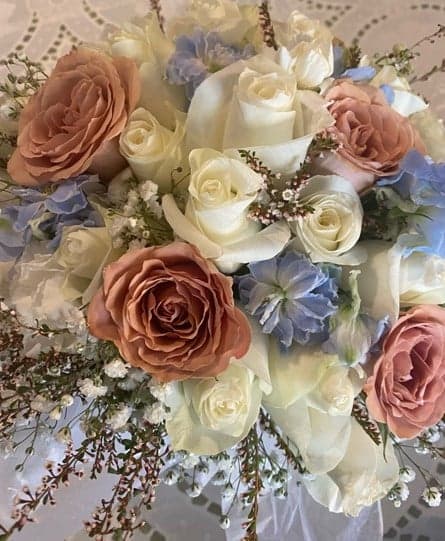
Australian wedding florists work across a broad spectrum, and matching the service level to your day is the first step in choosing well. At the simpler end, a florist supplies personal flowers only: the bridal bouquet, bridesmaid posies, buttonholes, corsages and perhaps a flower crown or two. This suits intimate weddings, registry ceremonies and couples handling the rest of the styling themselves.
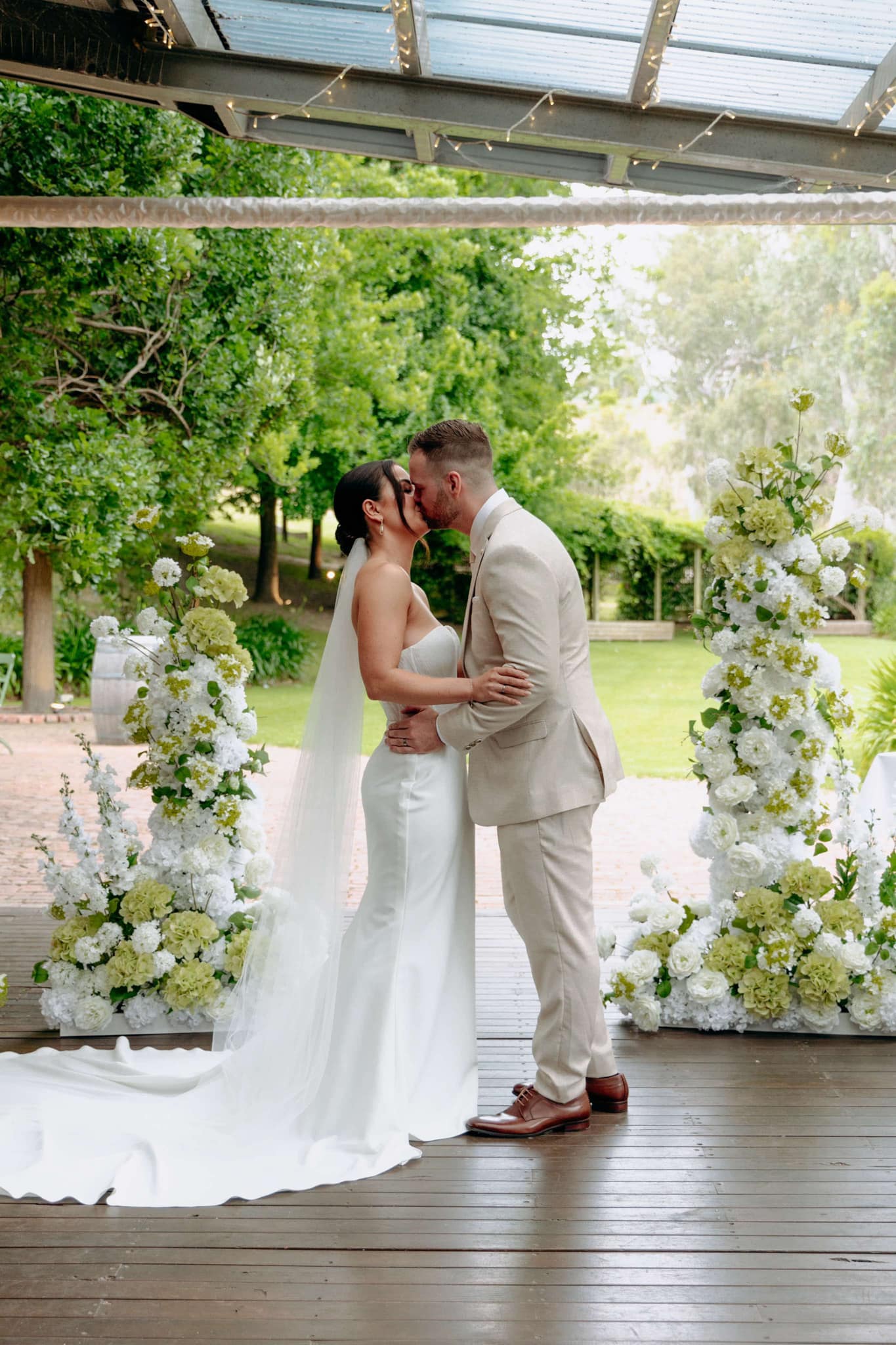
The most common level is full ceremony and reception florals. Here the florist designs personal flowers plus ceremony pieces such as an arbour or arch arrangement, aisle markers and a signing-table display, then reception centrepieces, a bridal-table or head-table installation, cake flowers and bar or grazing-table accents. Most established florists will visit or research your venue, build a mood board, prepare a detailed quote and refine the design through one or two consultations.
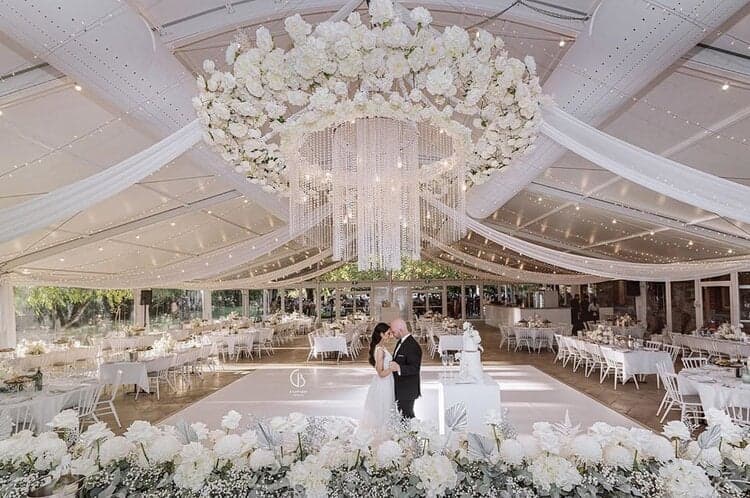
At the premium end sit floral designers and stylists who deliver large-scale installations: hanging or suspended arrangements, floral clouds, meadow aisles, ceiling florals, flower walls and statement arbours. These usually involve structural hire, rigging, a larger crew and a bump-in the day before. Some operate as full event stylists, coordinating linen, candles, furniture and lighting alongside the flowers.
Delivery and setup expectations vary by level. A personal-flowers booking may simply be collected or dropped off, while full-service packages include delivery, on-site styling, and a pack-down or collection of hired items afterwards. Clarify early whether your florist is a sole operator or has a team, because peak Saturdays book out fast and a one-person studio may cap how many weddings they take per weekend. Lead times also differ: bespoke installations and imported or specialty blooms need to be ordered well ahead, whereas seasonal Australian-grown flowers offer more flexibility and often better value.
What's usually included
A typical wedding florist quote covers the design and consultation process, the flowers and foliage themselves, mechanics such as vases, foam, wire and tape, and the labour to arrange everything. For full-service bookings you can generally expect the bridal party's personal flowers, ceremony arrangements, reception centrepieces and any agreed feature pieces, all built to an agreed colour scheme and style.
Most florists include an initial consultation and a written proposal or mood board so you can see the intended look before committing. Delivery to your ceremony and reception venues, plus on-site placement and styling of arrangements, is usually part of a full package, as is the conditioning and preparation of blooms in the days beforehand to ensure they're at their peak.
Many florists also include the loan of vessels, candelabras, plinths, arbours and other styling props as part of a package or as a clearly itemised hire line. Where installations are involved, the rigging, structures and the crew to assemble and dismantle them are typically built into the price. A good florist will confirm timings, access and a run sheet with your venue or coordinator so bump-in runs smoothly.
It's worth confirming exactly what's written into your quote rather than assuming. Reputable florists itemise each element so you can see what your money buys and adjust the design up or down to suit your budget.
What's often excluded or costs extra
Several items commonly sit outside the headline price. Delivery and setup fees may be charged separately, especially for regional venues, multiple drop-off points or interstate travel, so always check whether transport is included or added per kilometre. Early-morning or late-night access, and same-day pack-downs, can attract additional labour charges.
Hire of props such as arbours, candelabras, plinths, vases and flower walls is frequently a separate line with its own deposit and a bond against damage or loss. If hired items aren't returned or are damaged, that bond may be withheld. Out-of-season, imported or specialty blooms (think peonies outside their window, or particular orchids) cost considerably more and may carry a market-price clause, meaning the final amount can shift with wholesale availability.
Reuse or repurposing of ceremony flowers at the reception, moving the arbour arrangement onto the bridal table for example, often involves an extra styling crew and is rarely free, though it can be cost-effective overall. Drying, pressing or preserving your bouquet afterwards is almost always a separate service. GST may or may not be shown in the headline figure, and minimum spends frequently apply, particularly for popular Saturdays in peak season. Last-minute design changes after a cut-off date, and any rush ordering, can also add cost.
What to watch out for
A few genuine red flags are worth heeding. Be cautious of any florist who won't provide a written, itemised quote or contract; vague all-in figures make it impossible to compare and leave room for disputes later. Equally, be wary of a florist who guarantees specific blooms regardless of season, as flowers are a living, seasonal product and availability can change with weather and supply.
Check how realistic the design is for your budget. Some reference images circulating online represent enormous floral volumes; an honest florist will tell you when a look isn't achievable at your price point and suggest alternatives rather than promising and under-delivering. Ask to see real examples of their own completed weddings, not just a curated mood board or stock imagery, so you can judge consistency and finish.
Clarify the deposit, payment schedule and cancellation or postponement terms before signing, and confirm what happens if the florist is unwell on the day, whether there's a backup arrangement or a network they can call on. Confirm public liability insurance, which many venues now require for setup, and check they're across your venue's bump-in and pack-down rules. Finally, watch for over-booking in peak season: a stretched sole operator juggling several weddings in one weekend may compromise on quality or timing, so ask directly how many events they take per day.
Questions to ask your wedding florist
- 1Can you provide a detailed, itemised written quote and a sample contract?
- 2Which flowers will be in season for my wedding date, and what are good-value alternatives if my first choice isn't available?
- 3Is delivery, on-site setup and pack-down included, and are there travel charges for my venues?
- 4Are arbours, vases, candelabras and other props included or hired separately, and is a damage bond required?
- 5How many weddings do you take on per day or weekend, and will you or a team member be on site?
- 6What is your deposit, payment schedule and cancellation or postponement policy?
- 7Do you carry public liability insurance, and are you familiar with my venue's access and bump-in rules?
- 8What happens if you're unwell on the day, and do you have a backup florist or contingency plan?
Wedding Florists FAQs
- How far in advance should I book a wedding florist?
- Aim to book six to twelve months ahead, and earlier for peak-season Saturdays or popular floral designers, who can fill prime dates a year or more out. Booking early secures your preferred florist and gives time to refine the design, while final flower selections and numbers can usually be confirmed closer to the day.
- How can I reduce the cost of my wedding flowers without losing the look?
- Choose seasonal, Australian-grown blooms, lean on lush foliage and greenery to add volume affordably, and concentrate your budget on high-impact pieces like the bridal bouquet and ceremony arbour. Repurposing ceremony flowers at the reception, choosing fewer but larger statement arrangements, and being flexible on specific varieties all help stretch the budget.
- What's the difference between a wedding florist and a wedding stylist?
- A wedding florist specialises in designing and creating floral arrangements, while a wedding stylist coordinates the broader look, including furniture, linen, lighting, signage and props. Some florists offer styling as an add-on, and some stylists subcontract florals, so confirm exactly which services your chosen vendor provides and where the two roles overlap.