Wedding Directory
Wedding Gifts in Australia
Discover Australia's finest wedding gifts. Browse profiles and enquire directly with the professionals who'll bring your wedding day to life.
Browse Wedding Gifts by location
Victoria
South Australia



What to look for in a wedding gift
Choosing the right wedding gift supplier is about matching what you want to give with how you want guests to give it. Whether you're after a curated gift registry, a wishing-well or honeymoon fund, personalised keepsakes, or experience vouchers, the right partner makes gifting effortless for everyone. Learning how to choose a wedding gift supplier means weighing range, ease of use, delivery reliability and fees against your style and guest list. The best suppliers feel seamless for couples and guests alike, with transparent costs and dependable fulfilment across Australia.
What to expect and service levels
Wedding gift suppliers in Australia span several distinct models, and understanding them is the first step in deciding who suits your wedding. The most common is the online gift registry, where you curate a wishlist from a retailer's catalogue or across multiple brands, and guests purchase items that ship to you or are held until after the wedding. Department stores and homewares retailers typically run registries with broad product ranges, while specialist registry platforms let you mix products, cash contributions and experiences in one list.
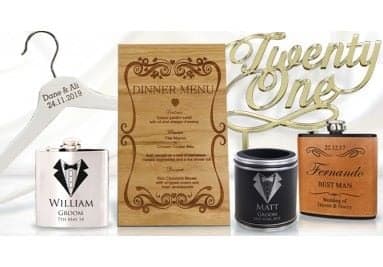
A second model is the cash or wishing-well service, sometimes branded as a honeymoon fund or 'gift fund'. Here guests contribute money towards a goal such as a honeymoon, a home deposit or a single big-ticket item, and the supplier handles the collection, payment processing and payout to you. A third group covers personalised and bespoke gift makers, including engravers, artists and keepsake creators who supply gifts to guests or to the couple directly. Finally, experience providers and gift-voucher companies offer activities, dining and getaways as giftable options.
Service levels vary widely. At the self-service end, you build and manage everything online with little human contact, which suits organised couples on a budget. Mid-tier suppliers add dedicated support, registry consultants, branded gifting pages and guest-facing help. Premium services may include in-person or virtual consultations, white-glove delivery, gift wrapping, handwritten cards and consolidated returns. Turnaround also differs: stocked registry items can ship quickly, while personalised or made-to-order pieces often need several weeks' lead time, so confirm timelines before your invitations go out.
What's usually included
Most reputable wedding gift suppliers include the core platform or product at no separate charge to you. For registries, that typically means a free online list you can build and edit, a shareable link or code for invitations and your wedding website, and a dashboard showing what's been purchased so you avoid duplicates. Many include the ability to add items from multiple stores, set quantities, and mark priorities.
Guest-facing features are usually part of the package: a clean checkout, multiple payment options, the choice to ship to the couple or collect later, and a card or message field so givers can add a personal note. Cash and wishing-well services generally include secure payment processing, a contributions tracker, and a payout to your nominated bank account. Most also let guests give any amount rather than fixed tiers.
For product-based suppliers, inclusions commonly cover standard packaging, basic gift presentation and a single delivery address. Personalised gift makers usually include a proof or design approval step, standard fonts or finishes, and one round of minor amendments. Many suppliers also include a returns or exchange window on stocked items, and some offer a 'completion' discount letting you buy remaining registry items yourself at a reduced price after the wedding. Customer support by email or chat, and clear order tracking, are standard with established providers. Always confirm in writing exactly what the headline price covers, because 'free registry' often refers only to the list itself, not the fees attached to each transaction.
What's often excluded or costs extra
The most important extra to scrutinise is fees on cash and contribution services. Many honeymoon-fund and wishing-well platforms deduct a service fee, a payment-processing fee, or both, from each contribution, which means you receive less than guests give. Some offer a 'guest pays the fee' option, others build it into the couple's payout, and a few charge a flat subscription instead. Read the fee structure carefully and calculate the real cost across your expected total.
Delivery is another common add-on. Free shipping thresholds, express options, regional and rural surcharges, and bulky-item handling can all attract charges, and shipping multiple registry items to one address may cost more than expected. Gift wrapping, premium packaging, branded boxes and handwritten cards are frequently optional extras rather than standard.
For personalised and bespoke gifts, expect charges for design changes beyond the included revisions, rush or priority production, premium materials or finishes, and additional proofs. Returns can also cost extra: restocking fees, return postage, or store-credit-only policies are worth checking. With experience and voucher gifts, watch for expiry dates, booking fees and blackout periods that limit when you can redeem. Currency conversion can apply if a honeymoon fund pays out in a different currency or the supplier is based overseas. Finally, some platforms charge to keep your registry active beyond a set window, or to withdraw funds before a minimum balance is reached, so confirm payout timing and any holding periods.
What to watch out for
The biggest red flag with cash-based suppliers is opaque fees. If a wishing-well or honeymoon-fund service won't clearly state the percentage taken from each contribution and when you'll be paid, treat that as a warning sign. Equally, check how and when funds are released, whether there's a minimum payout, and what happens if the wedding is postponed or cancelled, refund and rollover terms matter.
With product registries, watch for stock and discontinuation risk: items can sell out or be delisted, leaving guests scrambling and you with partial sets. Confirm how the supplier handles out-of-stock items and whether substitutes or backorders are offered. Be cautious of platforms that lock you into a single retailer with limited range, or that make it hard to combine products with cash gifts if you want both.
Delivery reliability is critical, especially for regional and remote addresses, so look for genuine Australian fulfilment and clear timeframes rather than vague promises. For personalised gifts, always insist on a written proof before production, and check the maker's policy on errors, if a name or date is misspelled, who bears the cost? Read reviews for patterns around late delivery, poor communication or difficult returns rather than relying on a handful of testimonials.
Finally, consider data and account security. You're sharing your address, guest details and sometimes bank information, so use suppliers with secure payment processing and a clear privacy policy. Avoid services that require large upfront payments with no protection, and be wary of newly launched platforms with no track record holding your guests' money.
Questions to ask your wedding gift
- 1What fees apply to each gift or contribution, and can guests cover them instead of us?
- 2When and how are funds or items released to us, and is there a minimum payout or holding period?
- 3How do you handle out-of-stock or discontinued registry items, and do you offer substitutes or backorders?
- 4What are your delivery timeframes and charges, including for regional and remote addresses?
- 5Can we combine physical gifts, cash contributions and experiences in a single list?
- 6For personalised gifts, do we get a written proof to approve, and who covers the cost if there's an error?
- 7What is your returns, exchange and refund policy, and are there restocking or postage fees?
- 8What happens to our registry, funds or orders if the wedding is postponed or cancelled?
Wedding Gifts FAQs
- When should we set up our wedding gift registry or fund?
- Set it up before your invitations or save-the-dates go out, ideally three to six months ahead, so guests can browse early. If you're using personalised or made-to-order gifts, start even earlier to allow for proofs and production lead times. Having your list ready early also lets you share it on your wedding website and avoid last-minute requests.
- Are cash wedding gifts or wishing-well funds better than a product registry?
- Neither is universally better, it depends on your situation. Cash funds and wishing wells suit couples who already have a home set up or are saving for a honeymoon or deposit, while product registries suit those building a household. Many Australian suppliers now let you offer both, plus experiences, in one list, giving guests flexibility while you receive a mix of gifts and contributions.
- How do we compare wedding gift suppliers fairly?
- Compare the all-in cost rather than the headline price, since many 'free' registries still charge per-transaction fees. Look at range, delivery reliability across Australia, payout terms for cash gifts, the guest checkout experience, and returns policy. Reading independent reviews for patterns around late delivery, communication and refunds will tell you more than a few testimonials on the supplier's own site.