
Great Ocean Road
Wedding Suppliers in Great Ocean Road
Everything you need to plan your Great Ocean Road wedding — browse by category, see the suppliers servicing your area, and read our local guide below.
Browse by category in Great Ocean Road
Suppliers servicing Great Ocean Road

Riverside Woodfired Pizza
Murray Bridge, SA
Woodfired Pizza Wedding Catering - We'll Roll In and Feed You Until You Roll Out
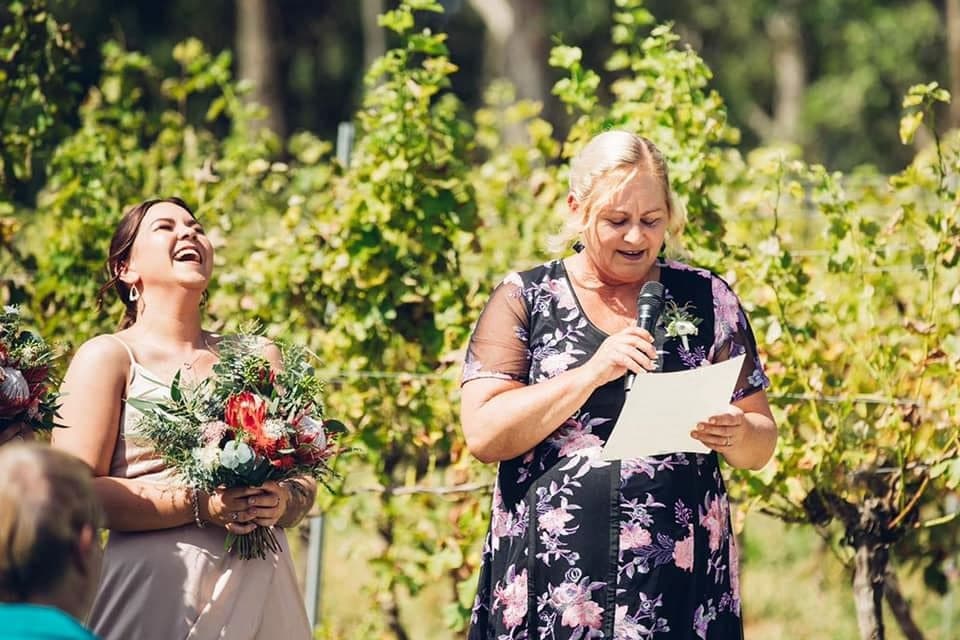
Always Bespoke Ceremonies - Sue George
VIC

Baker Boys Band
HIGH ENERGY LIVE MUSIC TO PACK YOUR DANCE FLOOR!

Ceremonies by Rosie
KEWARRA BEACH, QLD
Warm. Vibrant. Inclusive. Celebrating love in two languages — English and Spanish. Always Rosie.”

Christine Castle Marriage Celebrant
Dingley Village, Victoria
If you want a ceremony that feels warm, natural, and full of heart, I’d love to be part of your day 💫

DJ Michael (Specialising in Arabic, Egyptian, Greek & Italian)
Melbourne, Victoria
As an experienced and fully-trained professional, DJ Michael is dedicated to getting the crowd moving and ensuring your guests have an unforgettable time.
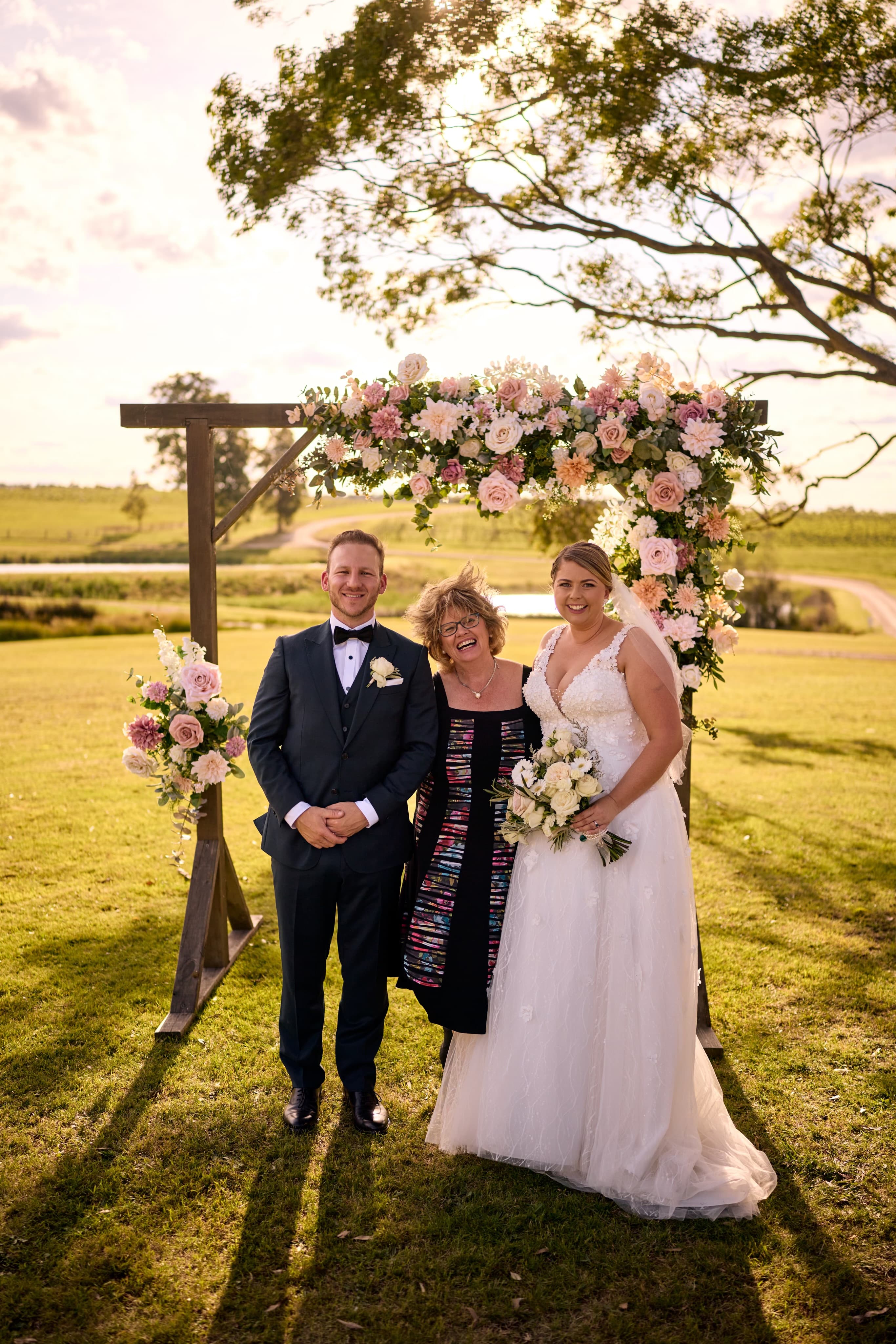
Fiona Hall
Dora Creek, NSW
Creative heartwarming and fun celebrant

Glow By Aasmi Makeup Artist
Hamlyn Terrace, New South Wales
Bridal and Party Makeup Artist- Central coast & Huner Valley, NSW
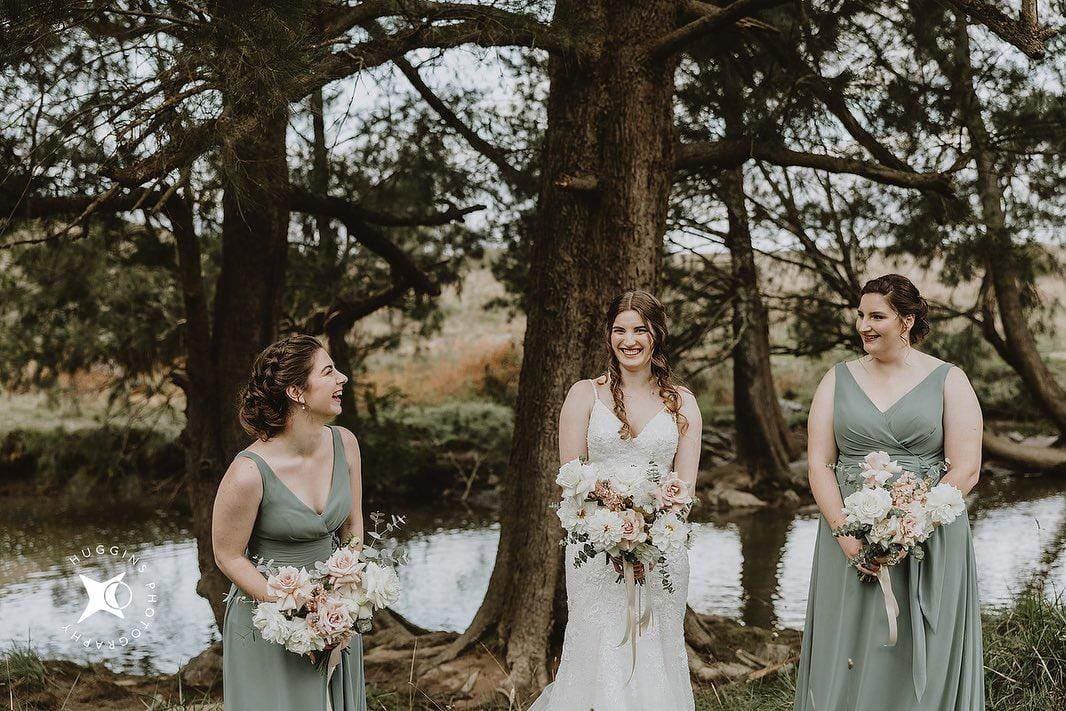
Missy's Magic Styles
Macgregor, ACT
Bridal Hair Stylist Specialist
Opal Rose Events
SA
Relaxed, organised wedding planning & coordination across Adelaide and South Australia
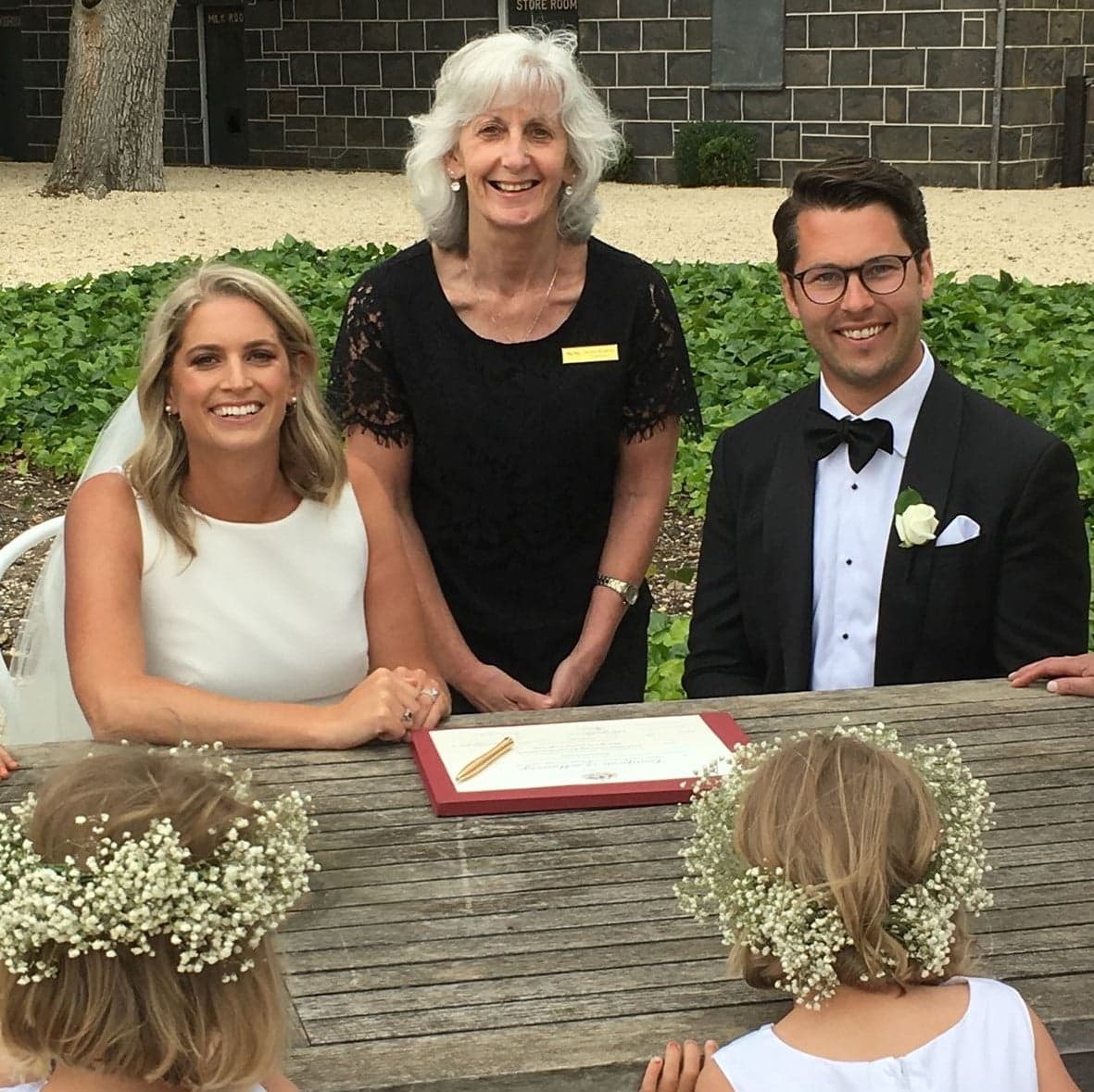
Rubies and Lace Ceremonies - Doreen Burgoyne
VIC
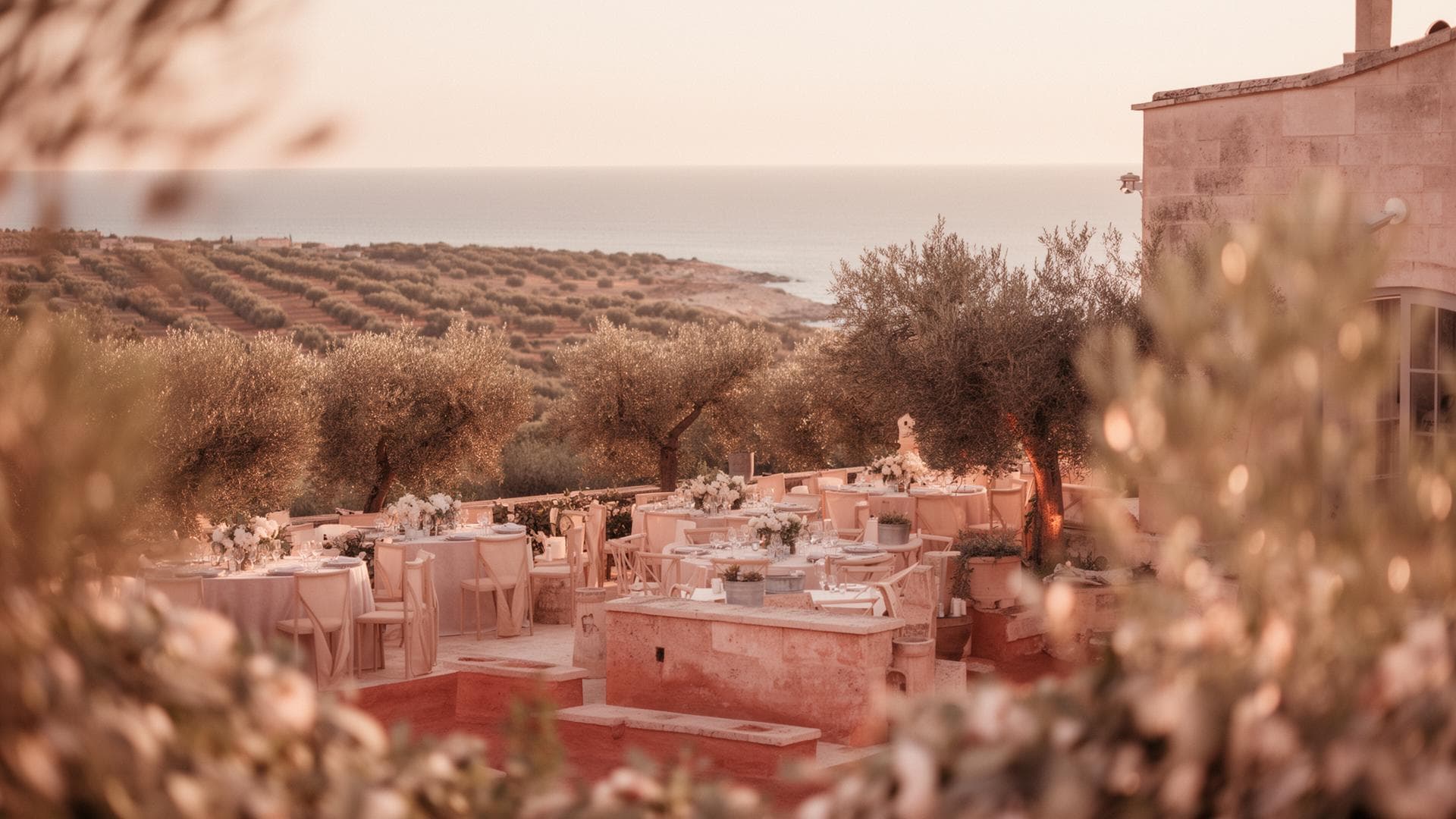
Vows Afar
LAKE COOGEE, WA
Your shared Wedding Journey
Why get married in Great Ocean Road?
Carved along Victoria's wild south-west coast, the Great Ocean Road is one of Australia's most cinematic wedding destinations. Getting married on the Great Ocean Road means towering limestone cliffs, surf beaches, rainforest gullies and golden light that photographers chase the world over. Stretching from Torquay to Allansford, this stretch of coastline pairs raw natural drama with relaxed seaside towns and warm country hospitality. Great Ocean Road weddings suit couples who want jaw-dropping scenery, an unhurried coastal escape and a celebration with a true sense of place.
- Iconic Twelve Apostles and dramatic shipwreck-coast backdrops
- Torquay gateway just 90 minutes from Melbourne
- Surf beaches, clifftops and Otways rainforest within reach
- Relaxed seaside towns ideal for a wedding weekend
- Spectacular coastal light loved by photographers
Why get married on the Great Ocean Road
Few places in Australia deliver scenery on the scale of the Great Ocean Road. The route hugs more than 240 kilometres of Victoria's coast, threading between the Southern Ocean and the Otway Ranges, and almost every bend reveals a new backdrop. One moment you are above a sweeping surf beach, the next you are beneath cool, fern-filled rainforest or atop sheer cliffs falling away to the sea. That sheer variety is a large part of why couples choose to marry here: a single day can move from a beach ceremony to clifftop photographs to a reception with the sound of the waves close by.
The region also carries genuine significance. The Great Ocean Road itself was built by returned soldiers after the First World War and stands as the world's largest war memorial, lending the drive a sense of history beneath its beauty. For couples, that depth of story adds meaning to an already spectacular setting.
There is the lifestyle, too. The coast is dotted with welcoming towns such as Torquay, Anglesea, Lorne, Apollo Bay and Port Campbell, each with its own character but all sharing an easygoing, salt-air charm. This is a place built for slowing down, and weddings here tend to unfold over a long weekend rather than a single afternoon, with guests surfing, walking, eating fresh local produce and exploring between events.
Accessibility seals the appeal. The eastern end of the road begins barely 90 minutes from Melbourne, so couples can deliver world-class scenery to their guests without a difficult journey. That rare combination of dramatic, untamed coastline and genuine ease of access is exactly why getting married on the Great Ocean Road has become so sought after.
Landmarks & points of interest
The Great Ocean Road is defined by its landmarks, and they are some of the most photographed in the country. The Twelve Apostles, the cluster of limestone stacks rising from the Southern Ocean near Port Campbell, are the region's signature image, alongside neighbouring formations such as Loch Ard Gorge, the Razorback and London Arch. These sit within Port Campbell National Park, where the shipwreck coast offers dramatic, windswept backdrops for couples wanting their photographs to feel truly epic.
The eastern stretch has a gentler beauty. Torquay is the recognised home of Australian surfing and the gateway to the road, while nearby Bells Beach is famous worldwide for its surf break. Heading west, Anglesea and Aireys Inlet offer quieter coves and the much-loved Split Point Lighthouse at Aireys, a striking white-and-red landmark perched above the sea. Lorne is one of the most popular bases, set on a sheltered bay with a foreshore, pier and easy access to Erskine Falls in the hinterland behind town.
Beyond the coast, the Great Otway National Park climbs into the Otway Ranges, where tall eucalypt forest, tree ferns and waterfalls create a lush, green contrast to the cliffs. Cape Otway, with its historic lighthouse, marks one of the wildest points on the route. Continuing on, Apollo Bay sits in a broad sweeping bay, and the road eventually rolls past the Bay of Islands near Peterborough before reaching the regional centre of Warrnambool, where southern right whales gather offshore in winter.
The coast shifts beautifully with the seasons. Summer brings warm, busy days perfect for beach ceremonies, autumn offers calm and golden light, winter delivers brooding, dramatic seas and whale watching, and spring brings wildflowers and fresh greenery to the Otways. Each season gives Great Ocean Road weddings a distinctly different mood.
Planning your Great Ocean Road wedding
Timing is the first consideration. This coast has a cool temperate, maritime climate, and the weather can change quickly, so a flexible plan matters. Late spring through early autumn, roughly November to April, is the most popular window, offering the warmest and most settled conditions for outdoor ceremonies. Summer is peak holiday season along the coast, so booking venues, celebrants and accommodation well ahead is essential, particularly around Lorne and Apollo Bay. Whatever the season, the ocean wind and the chance of a sudden change make a wet-weather contingency non-negotiable for any outdoor ceremony.
Great Ocean Road wedding venues span a wide range of settings. You will find clifftop and beachfront sites with uninterrupted ocean views, rainforest and waterfall locations in the Otways, coastal golf clubs and surf clubs, country estates in the hinterland, and relaxed function spaces within the seaside towns. Many couples pair an outdoor ceremony overlooking the water with a reception nearby, keeping travel short for guests. Note that ceremonies within national parks, including near the Twelve Apostles, generally require permits and have restrictions, so check with Parks Victoria early if an iconic landmark is part of your plan.
Getting here is straightforward from Melbourne. Torquay is about a 90-minute drive, Lorne around two hours, and Apollo Bay roughly two and a half hours, with the far western landmarks such as the Twelve Apostles closer to three to four hours depending on the route. Many guests fly into Melbourne and drive down, often via Geelong, while some break the journey into a scenic touring trip. Because distances between towns can be considerable and the road is winding, arranging coach transfers between the ceremony, reception and accommodation is a sensible and popular choice.
Accommodation ranges from boutique coastal cottages, beach houses and bed and breakfasts to larger holiday homes ideal for family groups, along with hinterland retreats tucked into the Otways. Encouraging guests to stay over turns the wedding into a true coastal getaway, with beach walks, rainforest drives, surf lessons and local seafood filling the days on either side.
Local suppliers are well versed in working with this landscape. Experienced photographers, florists, caterers, stylists and celebrants know how the coastal light falls, how the wind behaves and which sites suit which time of day, all of which is invaluable on such an exposed and varied coast. Visiting in the same season you intend to marry, and leaning on that local knowledge, will help you make the most of everything getting married on the Great Ocean Road has to offer.
Great Ocean Road wedding FAQs
- What is the best time of year to get married on the Great Ocean Road?
- Late spring through early autumn, roughly November to April, offers the warmest and most settled weather for outdoor ceremonies. Summer is peak holiday season, so book venues and accommodation well ahead, especially around Lorne and Apollo Bay. The coast has a cool maritime climate with fast-changing weather, so always plan a wet-weather backup. Winter brings dramatic seas and whale watching for couples wanting a moodier setting.
- How do guests get to the Great Ocean Road from Melbourne?
- Torquay, at the eastern gateway, is about a 90-minute drive from Melbourne, with Lorne around two hours and Apollo Bay roughly two and a half. The far-western landmarks such as the Twelve Apostles are closer to three to four hours. Most guests fly into Melbourne and drive down via Geelong. As the road is long and winding, arranging coach transfers between the ceremony, reception and accommodation is highly recommended.
- Can you get married at the Twelve Apostles and other Great Ocean Road landmarks?
- Many of the most famous sites, including the Twelve Apostles and Loch Ard Gorge, sit within national parks, so ceremonies there generally require a permit and come with restrictions on group size, timing and setup. It is best to contact Parks Victoria early if an iconic landmark is central to your plans. Many couples instead use these spots for photographs and hold the ceremony at a nearby clifftop, beachfront or hinterland venue.