
Wedding dresses have evolved significantly throughout the ages, reflecting changes in fashion, societal norms, and cultural trends. Here’s a brief overview of the changes in wedding dresses over time:
Ancient Times:
In ancient civilizations, such as Greece and Rome, brides often wore simple flowing garments, often in vibrant colors rather than white.
Symbolic elements like garlands, flowers, and herbs were commonly incorporated into the bride’s attire.
Medieval and Renaissance Periods:
During the medieval era, wedding dresses reflected the social status of the bride. Rich fabrics like velvet and silk were reserved for the wealthy.
Dresses featured elaborate embroidery, and headpieces like crowns or veils were popular.
Victorian Era (19th Century):
Queen Victoria’s choice of a white wedding dress in 1840 set a trend that continues today. White became a popular choice symbolizing purity and innocence.
Dresses had high necklines, full sleeves, and voluminous skirts. Trains became a fashionable addition, emphasizing the bride’s status.

1855 Bridal Fashion
1920s – 1930s:
The Roaring Twenties saw the emergence of shorter wedding dresses, reflecting the flapper style with dropped waists and loose silhouettes.
The Great Depression in the 1930s led to more practical and less extravagant wedding attire.

Art Deco wedding dress 1920’s
1940s – 1950s:
World War II influenced wedding dress designs, with simpler styles due to rationing. Tea-length dresses became popular during the 1940s.
The 1950s brought back more extravagant styles with full skirts, cinched waists, and lace details. Strapless necklines also gained popularity.

Wedding Dress by Nina Ricci 1955
1960s – 1970s:
The 1960s saw a departure from traditional styles, with more informal and shorter dresses. Miniskirts and bold colors became popular.
Bohemian influences in the 1970s led to flowy and less structured wedding dresses. Bell sleeves and flower crowns became trendy.

Credit: Original Photographer
1980s – 1990s:
The 1980s were characterized by extravagance, with large puffed sleeves, ruffles, and dramatic trains. Princess Diana’s wedding dress in 1981 influenced many brides.
The 1990s saw a return to simpler and sleeker designs. Minimalist gowns with clean lines became fashionable.

2000s – Present:
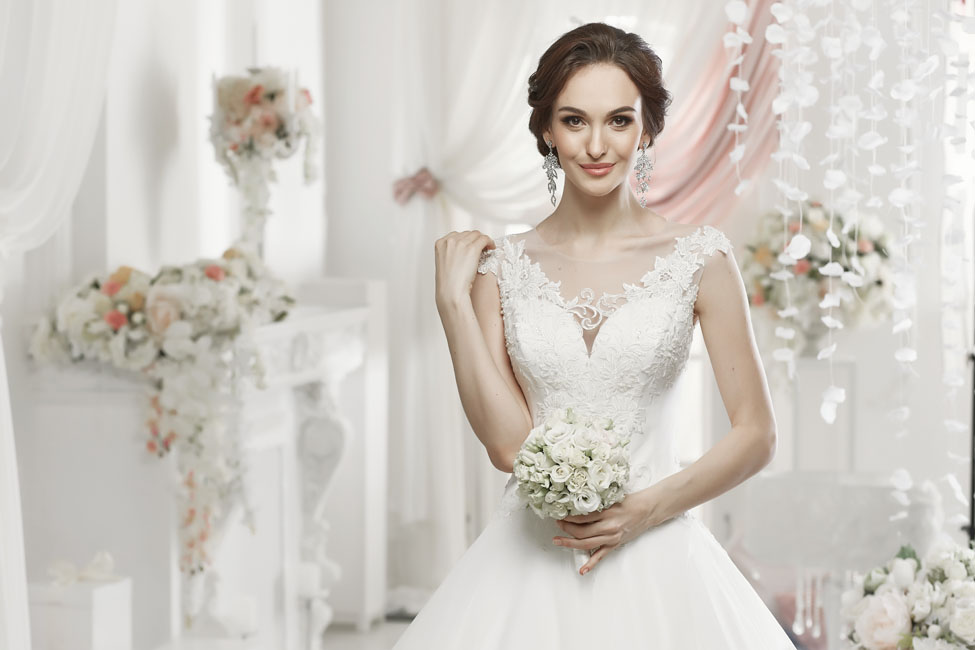
The 2000’s brought a diverse range of styles. Strapless dresses, mermaid silhouettes, and destination wedding dresses gained popularity.
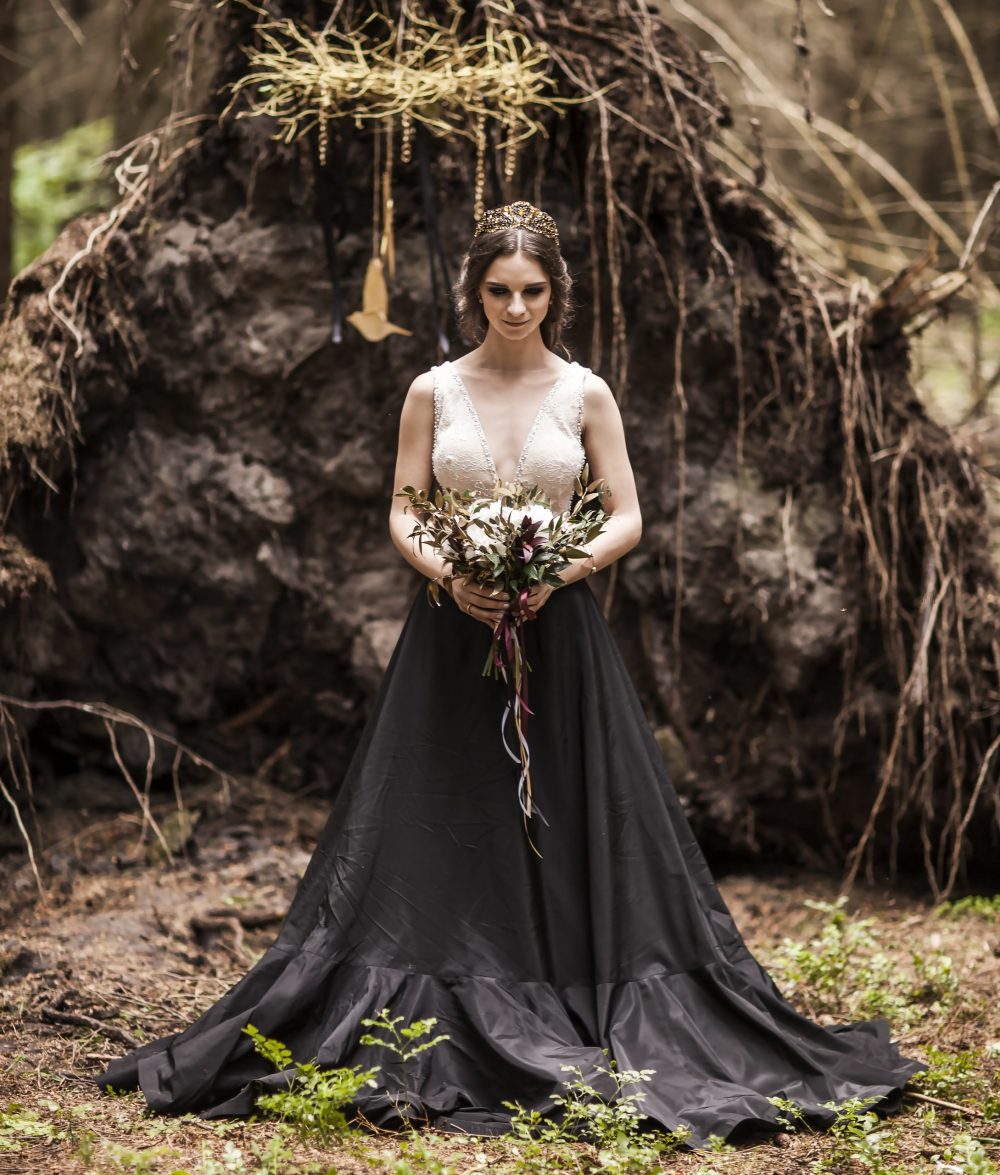
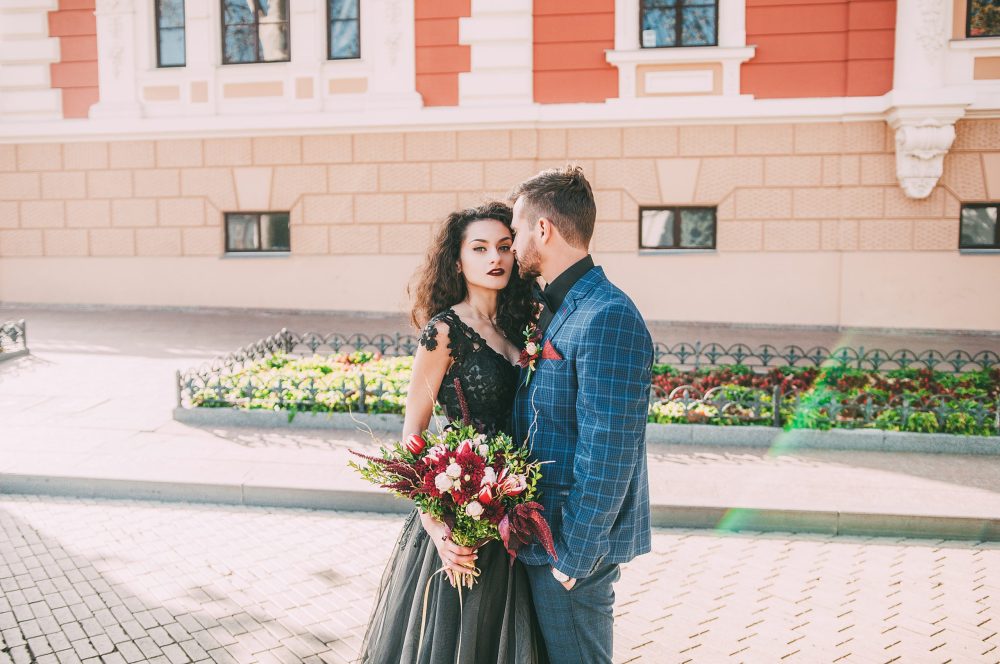
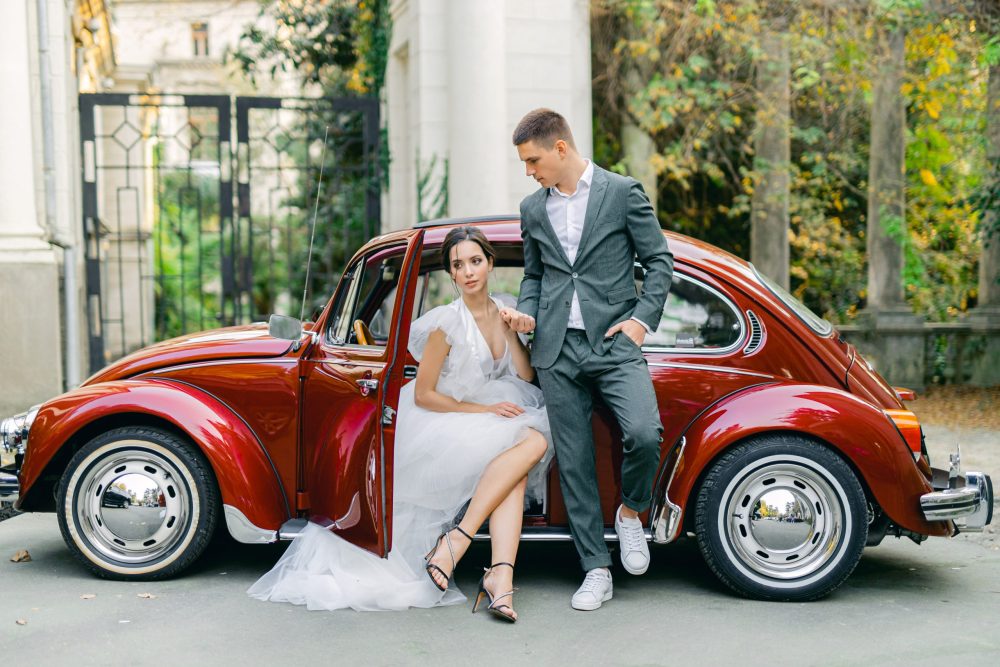
In recent years, there’s been a move toward more personalized and non-traditional styles. Brides often choose dresses that reflect their individual tastes and personalities.
Wedding dresses have been influenced by cultural, social, and economic factors. Trends may come and go, but the symbolic importance of the wedding dress remains a constant across different eras and cultures.

Wedding Vendors UK is here to assist with everything weddings and we hope you will visit us many times during your wedding planning journey.


